
Palm Springs designates Sagewood Condominiums a historic district
The 18-acre complex designed by architect Donald Wexler was completed in 1972 and is considered one of the largest condominium projects of his career.
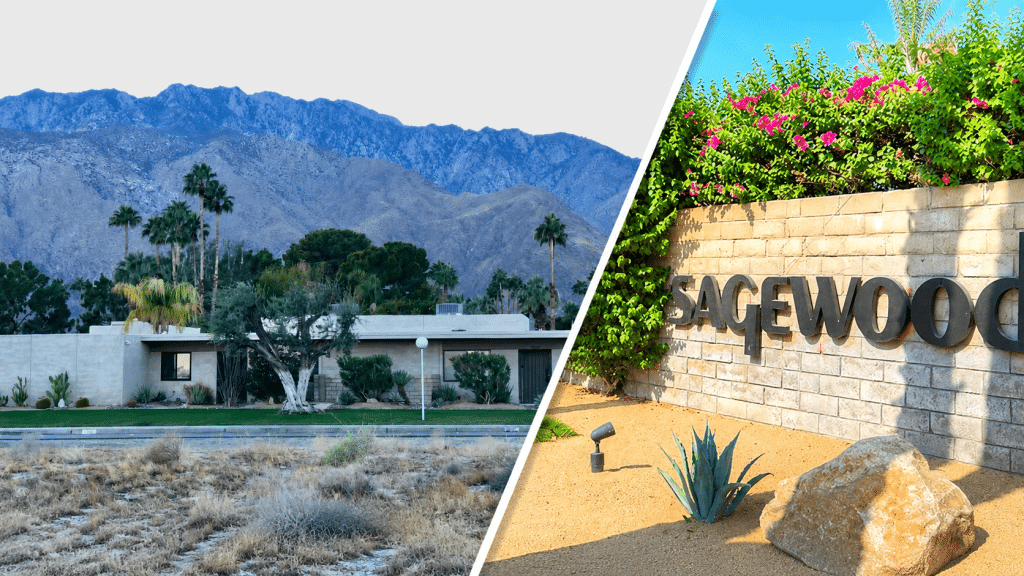
The Palm Springs City Council voted unanimously Tuesday to designate the Sagewood Condominiums a historic district, recognizing the 18-acre development as a significant example of Desert Modernist architecture and mid-century residential planning.
The complex, located south of North Sunrise Way and East Vista Chino, was completed in 1972 and designed by architect Donald Wexler. Its landscape design is attributed to David Hamilton, identified in the staff report as the first university-trained and licensed landscape architect to practice in the Coachella Valley.
Local reporting and journalism you can count on.
Subscribe to The Palm Springs Post
The designation was initiated by the Sagewood Homeowners Association with 70% owner support and had been recommended unanimously by the Historic Site Preservation Board, which voted 7-0 in January to send the application to the council.
The development consists of 27 detached buildings containing a total of 107 individual units, all of which have been identified as contributing to the proposed historic district. The design features low-slung, one-story structures with flat roofs, cantilevered overhangs, and a layout that separates pedestrian and vehicular traffic.
A staff report prepared by the Department of Planning Services describes the complex as one of the largest condominium projects designed by Wexler in Palm Springs — a step up from his earlier Royal Hawaiian Estates, which had 40 units in 12 buildings. The report identifies Levitt & Sons, the developers behind the postwar Levittown subdivisions on the East Coast, as the developer of Sagewood, noting it is the only Levitt development in the Coachella Valley.
Council Member Jeffrey Bernstein praised the project’s history and its current owners during the public hearing.
“It is really an absolutely beautiful development,” Bernstein said. “And what’s interesting is that it’s not gated and it was built as accessible housing.”
The property was found to meet three of the city’s criteria for historic district designation — reflecting a particular period of local history, representing the work of a master architect, and functioning as a significant and distinguishable entity whose components are best understood as a whole.
The staff report notes the designation carries no direct fiscal impact but would make the property eligible for a Mills Act contract in the future, which could reduce property tax revenue to the city. Staff estimated that potential reduction could range from approximately $300,000 to more than $530,000 annually, depending on factors including length of ownership and property income.
Author

Related Articles

Modernism Week returns Oct. 15-18 with tours, design show and new digital guide
Organizers said the four-day festival will include home tours, evening events and a free app-based guide to Palm Springs architecture.
Palm Springs preservation group steps in to help revive a piece of Palm Desert history
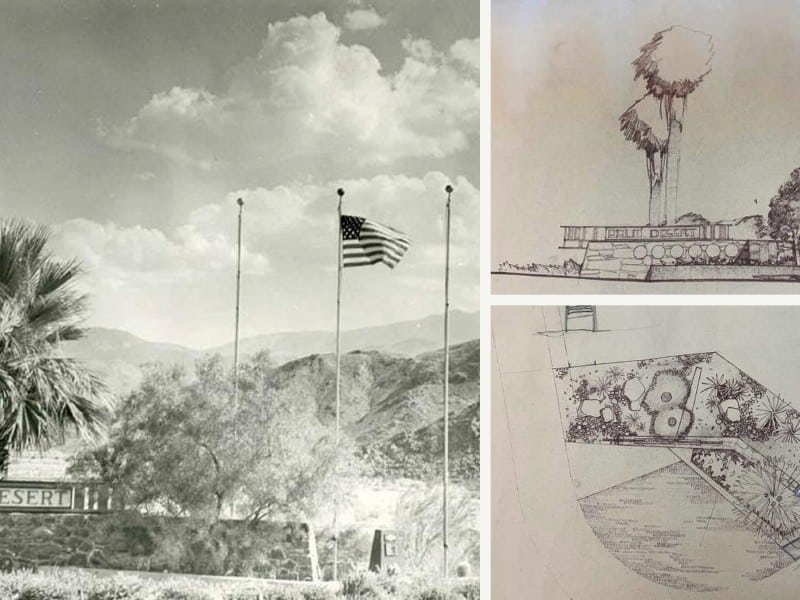
The Palm Springs Preservation Foundation has offered to fund conceptual design work for a recreation of a historic Palm Desert entry sign designed by noted desert architect William F. Cody.
Seven Lakes Golf & Country Club takes step toward becoming Palm Springs’ largest historic district
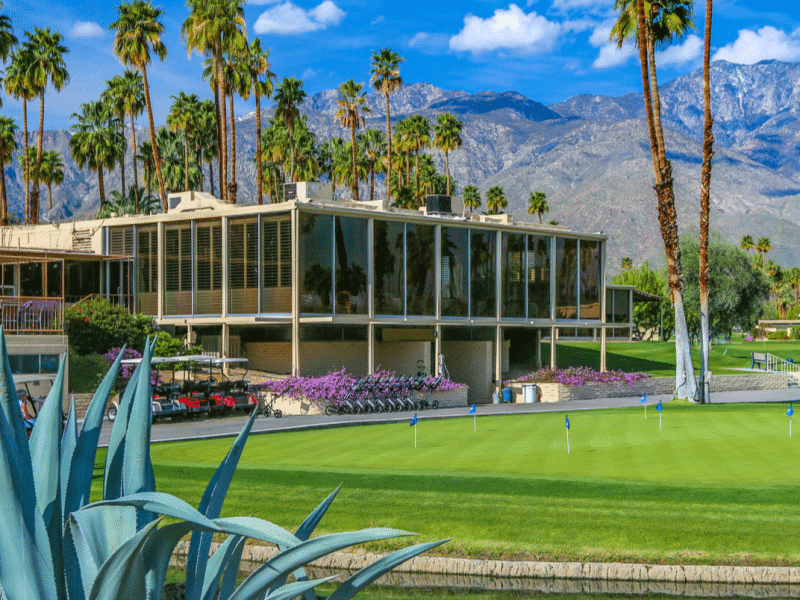
The city’s Historic Site Preservation Board approved the designation for the 120-acre complex, which counts Dwight D. Eisenhower among its notable golfers.