
Palm Springs board recommends Harvey Residence as landmark, strips 1940 Clark home from eligible list
While a lovingly restored Buff & Hensman residence advanced toward Class 1 landmark status, a 1940 home was denied designation because modern updates stripped away its signature stone masonry and original design.
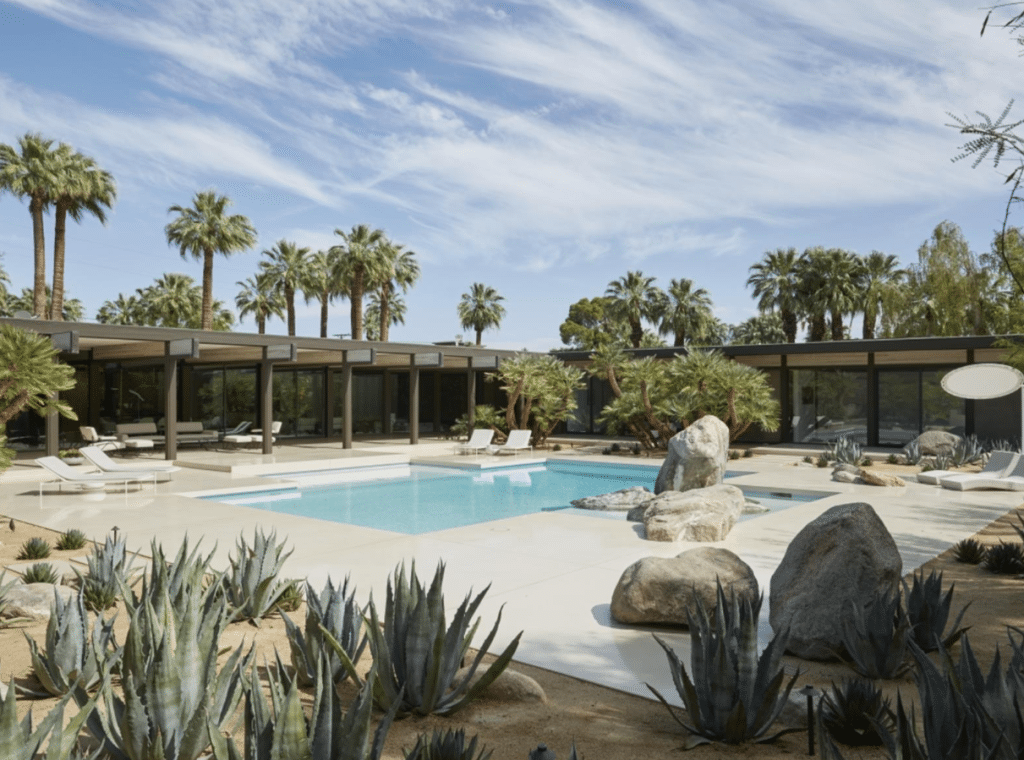
The Palm Springs Historic Site Preservation Board on Tuesday recommended a mid-century modern residence once owned by actor Laurence Harvey for the city’s highest level of historic designation while voting to deny landmark status for a 1940 home and remove it from the city’s list of potentially eligible historic properties.
The board voted 4-0 to recommend that the City Council designate the Laurence Harvey Residence at 300 West Merito Place in the Old Las Palmas neighborhood as a Class 1 historic landmark.
Local reporting and journalism you can count on.
Subscribe to The Palm Springs Post
The home, completed between 1969 and 1970, was designed by the architectural firm Buff & Hensman for Harvey, whose acting career spanned from approximately 1946 to 1973. Harvey was nominated for Best Actor for his performance in 1959’s “Room at the Top”, he is also known for roles in “The Alamo” and “The Manchurian Candidate” and also directed.
City planning staff found the property met three criteria required for Class 1 designation: its association with Harvey as a significant figure in the entertainment industry, its representation of late modern and mid-century modern architectural design, and its standing as a rare Palm Springs example of work by architects Conrad Buff III and Donald C. Hensman, whose firm received more than 30 awards from the American Institute of Architects.
A restoration completed in 2017 reinstated key design elements and removed incompatible additions, and staff found the home’s integrity of design, location, setting, feeling, and association to be intact.
“I was just so pleasantly surprised to see a residence by Buff and Hensman,” one board member noted “It’s totally unexpected. It was delightful, and I am so glad that we have the opportunity to designate.”
The second property under consideration by the board faced a different reception.
The board voted 4-0 to deny historic designation for the home at 877 West Panorama Rd. in the Little Tuscany neighborhood and to remove it from the city’s Class 3 list of sites potentially eligible for landmark status.
The home, designed by architect John Porter Clark and completed in 1940, came before the board through a city-initiated designation review.
An independent historic resources report prepared by GPA Consulting concluded the property no longer meets the criteria for designation, citing decades of alterations that included painting the original natural stone masonry exterior white, clearing the natural rock formations and boulders that defined the site’s character, and replacing original steel casement windows and tile roof materials with contemporary substitutes.
“While this home is attributed to the notable architect John Porter Clark, many of his design ideas, particularly the importance of the building within its natural setting, has been compromised,” Sarah Yoon, associate planner and historic preservation officer said at the meeting.
Sherry Bonds of Greenberg Glusker, representing the property’s owners, said both the city-commissioned report and an earlier independent analysis reached the same conclusion, adding that substantial alterations had occurred before the current owners purchased the home.
Tuesday’s meeting was the final session for board Chair Janet Hansen, who used closing remarks to call on the city to develop an LGBTQ historic context statement, extend its architectural survey of modernism into the 1980s, and strengthen outreach to real estate professionals about historically eligible properties.
Staff also confirmed that the State Office of Historic Preservation has revived the Certified Local Government grant program after a pause, and that the city has submitted its expression of interest to participate in the new grant cycle.
Author

Related Articles

Modernism Week returns Oct. 15-18 with tours, design show and new digital guide
Organizers said the four-day festival will include home tours, evening events and a free app-based guide to Palm Springs architecture.
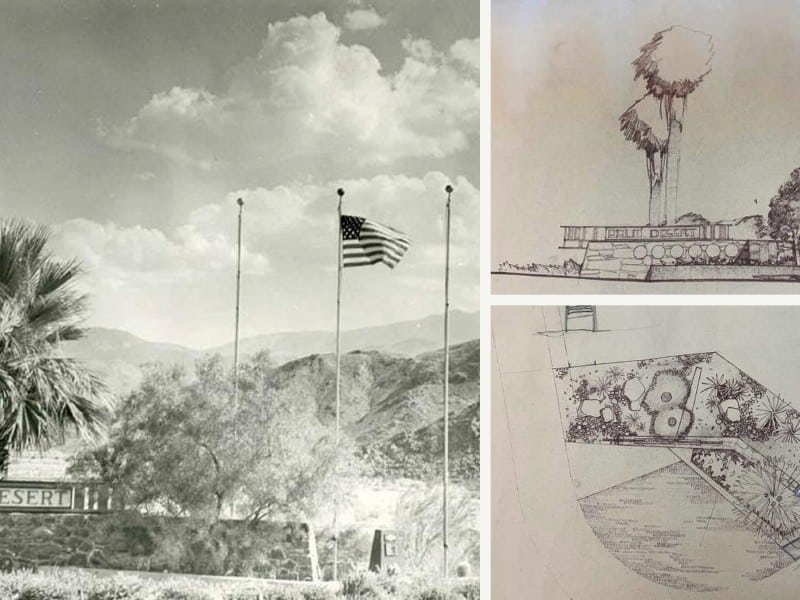
Palm Springs preservation group steps in to help revive a piece of Palm Desert history
The Palm Springs Preservation Foundation has offered to fund conceptual design work for a recreation of a historic Palm Desert entry sign designed by noted desert architect William F. Cody.
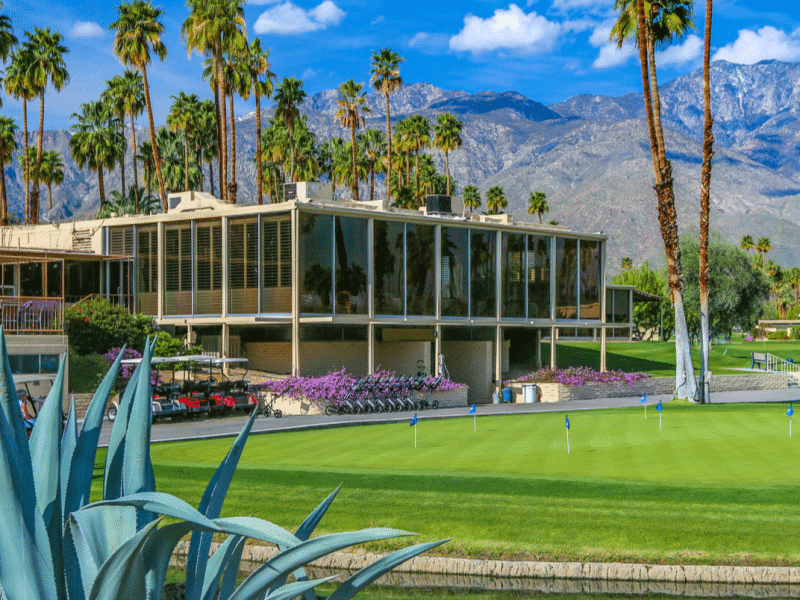
Seven Lakes Golf & Country Club takes step toward becoming Palm Springs’ largest historic district
The city’s Historic Site Preservation Board approved the designation for the 120-acre complex, which counts Dwight D. Eisenhower among its notable golfers.