
Preservation group seeks historic status for Palm Canyon Drive’s palm trees
The Palm Springs Preservation Foundation’s 115-page nomination argues the trees’ dried-frond skirts are a defining feature of the streetscape, not the hazard the city cited when it voted to start trimming them.
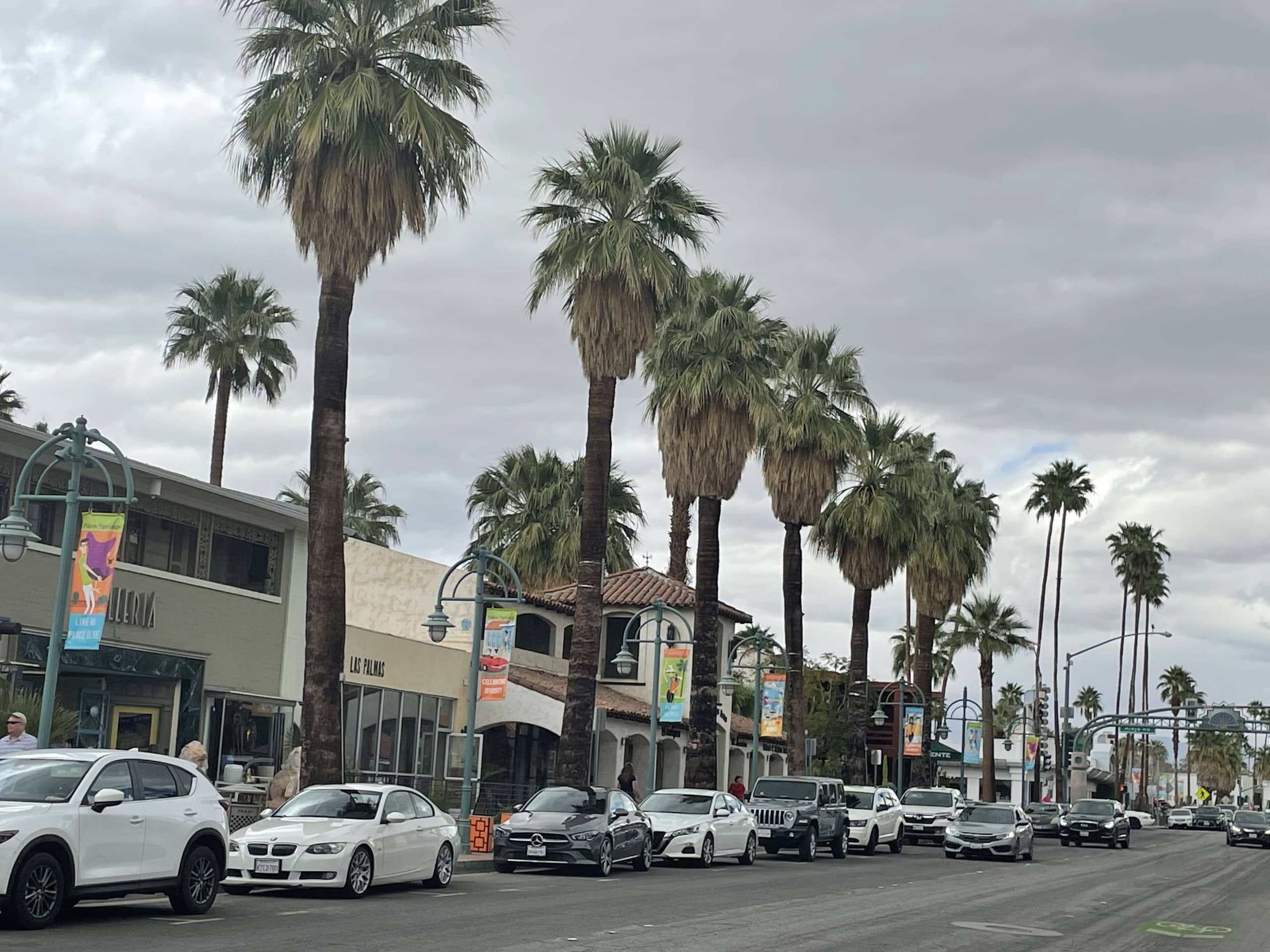
The Palm Springs Preservation Foundation has asked the city to designate the palm trees lining Palm Canyon Drive as a historic site, arguing in a 115-page nomination that the trees’ dried-frond skirts are essential to a streetscape the City Council voted weeks earlier to begin trimming.
The foundation submitted the Class 1 Historic Resource nomination for what it calls the “Palm Allée” on Aug. 2, contending the palm-lined corridor meets five of six criteria the city uses to evaluate historic sites. The nomination was written by PSPF board member Steven Keylon.
Local reporting and journalism you can count on.
Subscribe to The Palm Springs Post
The filing follows a July 8 Palm Springs City Council meeting at which the council voted 4-1 to direct staff to prioritize removing dry palm fronds from trees in high-traffic commercial areas, with exceptions for designated historic sites, community gateway areas, unique city-landscaped areas and parks valued for their heritage character.
City officials have said the fronds pose a public safety risk. City Attorney Jeff Ballinger told the council the city had received at least 11 claims over falling tree skirts between 2019 and this year, with one resulting in a $100,000 settlement. Mayor Naomi Soto compared a tree skirt to “a Volkswagen Beetle 10 to 15 feet above you.”
The nomination directly challenges the rationale behind that vote. A city staff report supporting the trimming policy asserted that Palm Springs “does not have a long history of keeping palm tree skirts,” citing a single frame from a 1960s tourist film showing clean-trunked downtown palms.
The nomination counters with Desert Sun columns from 1940 and 1946 by then-Palm Springs Desert Museum director Lloyd Mason Smith describing the skirt as the native California fan palm’s natural condition and calling the untrimmed look “picturesque,” along with city trimming policies from 1959 and 2009 that called for retaining the natural skirt on native palms while clearing only the lowest fronds for safety.
At a PSPF board meeting July 9, the board voted unanimously to pursue what it called an “educational approach” on the issue, leading to the nomination.
Days before the council vote, PSPF board member Barbara Marshall told the council during public comment that the Agua Caliente Band of Cahuilla Indians displays skirted palm trees at its own museum, headquarters, casinos and gas stations, and said “the city’s emphasis on the risk to the public created by the tree skirts seems overly exaggerated.”
The nomination traces the allée’s origins to 1949, when Councilwoman Ruth Hardy, the first woman elected to the city council, spearheaded a voter-approved municipal beautification bond that funded the planting of more than 300 palm trees along Palm Canyon Drive between Tamarisk and Alejo roads, spaced 35 feet apart.
Architect E. Stewart Williams chaired the committee that set the design, alternating native California fan palms with Mexican fan palms, and nurseryman Clarence C. Neel supplied the trees; the first mile was dedicated to his memory that October.
The foundation had raised concerns about the trimming policy in letters to the city in July 2024 and last month, the latter backing a call from the Oswit Land Trust for a “tree-by-tree management plan” that manages native and nonnative palms differently.
PSPF board member Tracy Conrad wrote in the letter last month that the trees and their skirts “were safeguarded by our predecessors for posterity only to be potentially squandered due to threats fabricated by lawyers and insurance companies.”
The nomination is now before the city for review.
Author

Related Articles
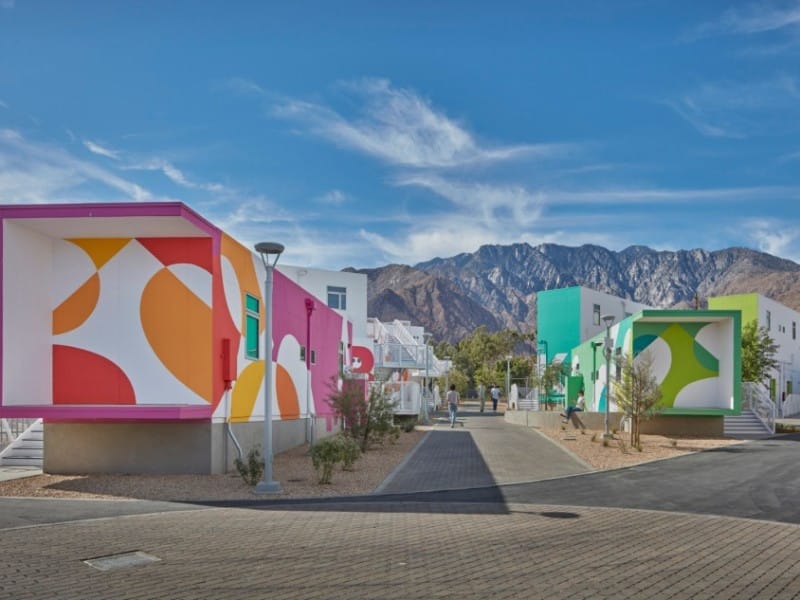
Palm Springs Homeless Navigation Center wins two national architecture awards
The American Institute of Architects honored the facility with a 2026 Architecture Award and a Housing Award in the Specialized Housing category.

Palm Springs council candidates weigh in on Flock cameras, stalled hotels, more at forum
Five candidates for three seats also addressed traffic safety and the library renovation at a forum hosted by Organized Neighborhoods of Palm Springs.
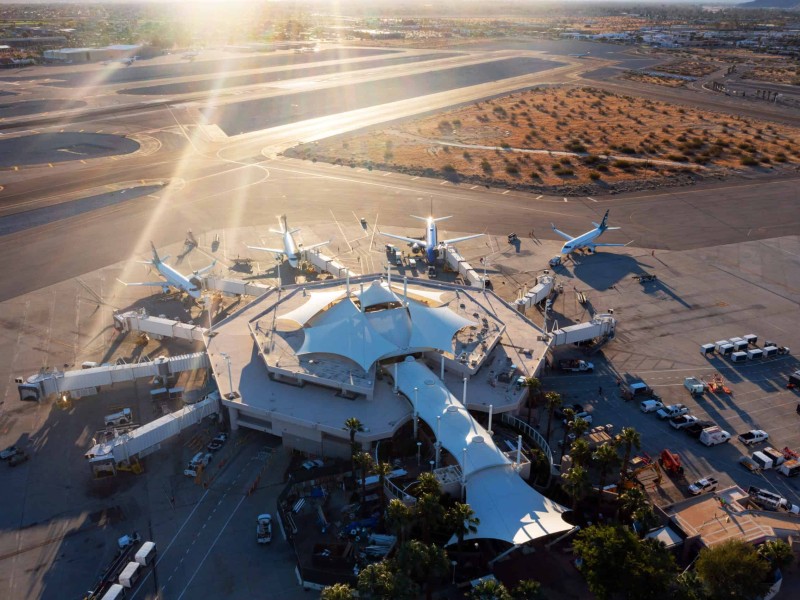
Palm Springs airport study finds economic impact tops $2.55 billion
Nearly 97% of the airport’s overall economic impact stayed within the Coachella Valley, the study found, and more than half occurred within the city of Palm Springs.