
Palm Springs LGBTQ+ residents report strong community but unmet needs, study finds
Survey respondents cited high quality of life, but 43% have been diagnosed with anxiety or depression and 33% spend 30% or more of their income on housing.
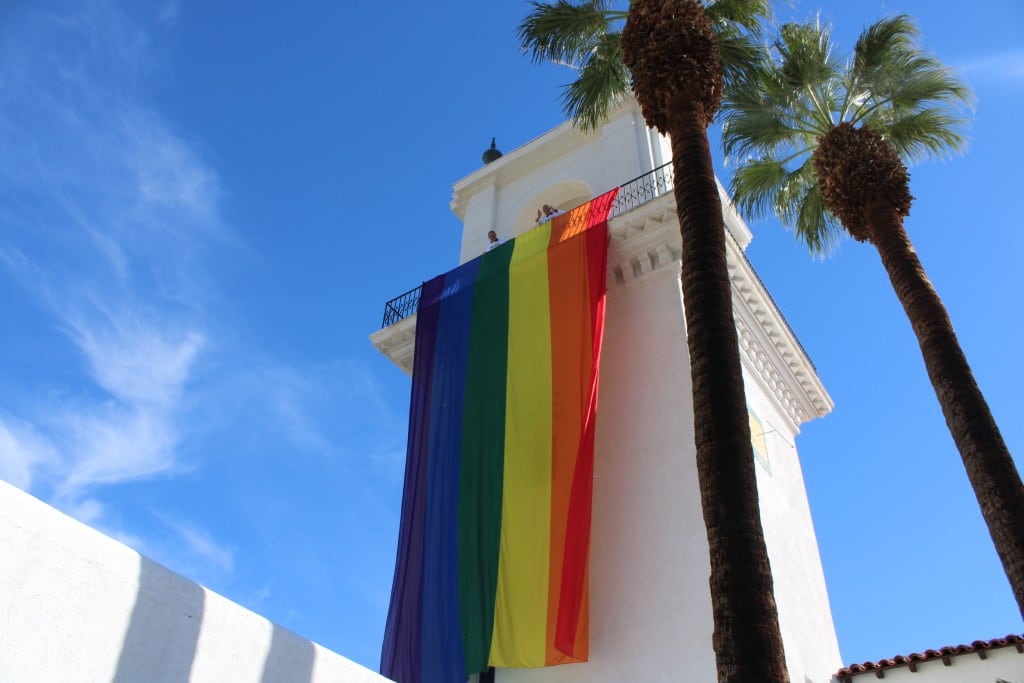
Palm Springs respondents to a Coachella Valley LGBTQ+ quality-of-life study reported high quality of life and strong community ties, but also significant needs in mental health, housing and economic security, presenters told the City Council on Wednesday.
Lex Ortega, chief programs officer at the LGBTQ Community Center of the Desert, and Jenna LeComte-Hinely, CEO of HARC (Health Assessment and Research for Communities), presented a Palm Springs profile drawn from the study. It is based on 542 Palm Springs respondents, part of 1,356 people who completed a valley-wide survey.
Local reporting and journalism you can count on.
Subscribe to The Palm Springs Post
Ninety-three percent of the Palm Springs respondents were full-time Coachella Valley residents, and 73% were 55 or older. Seventeen percent identified as people of color. Ortega said the online survey opened in October 2025 so that results would not skew toward second-home owners who had not yet returned to the valley.
On quality of life, 79% of Palm Springs respondents said they attended an LGBTQ+ event in the past year. Eighty-eight percent cited friends or chosen family as a source of belonging.
The profile also found that 43% had ever been diagnosed with anxiety or depression. Thirty-six percent were at least moderately worried about having enough money for basic needs, and 33% spent 30% or more of their monthly income on housing. Fourteen percent said they needed health care but could not get it because of cost.
“These are people who live here who are struggling,” LeComte-Hinely said.
The profile also reported safety concerns. Thirteen percent said they were physically threatened or attacked because they are LGBTQ+, 11% reported frequent online discrimination and 10% reported frequent in-person stigma or discrimination. Fifteen percent said they experienced race-based discrimination or prejudice while living in the Coachella Valley.
LeComte-Hinely said discrimination in Palm Springs is lower than in many less welcoming cities across the country, but is not at zero.
The study combined 16 key interest holder interviews, 13 focus groups with 68 residents and the survey. The center worked on it with Health Management Associates and has since contracted with HARC for more data analysis. Ortega said the full report runs about 300 pages and that the center is starting its rollout of findings in Palm Springs.
The Center plans community sessions on the study’s six priority populations. The first, focused on the Eastern Coachella Valley, is scheduled for Nov. 19 in Thermal.
Author

Related Articles
Latest vote count: Council incumbents with comfortable leads; Democrats ahead in state, federal races
Vote totals for city, county, state and federal races are being released. While it could be some time before winners are declared, here’s the latest that we know.

Election Day is Tuesday: What Palm Springs voters need to know
Voting locations are open from 7 a.m. to 8 p.m. Local contests include City Council, healthcare district and school board seats, with eligibility determined by where you live.
Palm Springs Homeless Navigation Center wins two national architecture awards
The American Institute of Architects honored the facility with a 2026 Architecture Award and a Housing Award in the Specialized Housing category.