
Human Rights Commission hears suggestions to help address community tensions
Proposed programs include documentary screenings, community dialogue sessions, and an interfaith peace march.
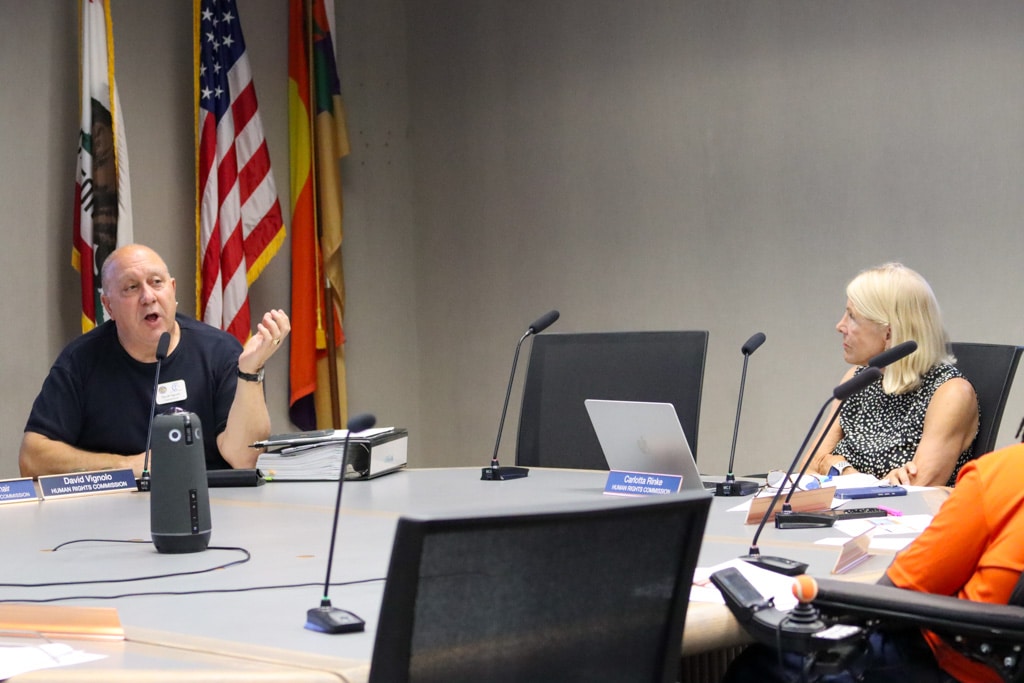
The Palm Springs Human Rights Commission (HRC) is exploring several initiatives aimed at promoting understanding and addressing local tensions, including more documentary screenings, community dialogue programs, and an interfaith peace march.
At issue for the HRC is the desire to offer a direct response to emotional testimony from residents at its June meeting who described incidents of discrimination and harassment they say have occurred locally since October 2023. Several speakers at that meeting described what they characterized as increasing Islamophobia and anti-Arab hatred in Palm Springs. They called for the city to take action and establish better communication channels with city leadership.
Local reporting and journalism you can count on.
Subscribe to The Palm Springs Post
At its monthly meeting Monday evening, two commissioners who formed a subcommittee — David Vignolo and Carlotta Rinke — presented multiple recommendations. They were seeking approval from the full commission, and later review by the Palm Springs City Council, before any of the proposed programs moved forward, emphasizing that implementing the initiatives would require significant work and commitment.
One proposal involves sponsoring documentary screenings to introduce different viewpoints to Palm Springs residents, like the May 24 screening of the Oscar-winning documentary “No Other Land” chronicling the destruction of villages in the West Bank. Commission members spoke with Rabbi David Lazar, who was on a panel for the earlier screening, to learn about logistics and rights needed for a second showing.
Vignolo and Rinke also suggested that the commission consider community dialogue programs designed to bring residents together to discuss local human rights issues. Working with the California Civil Rights Department’s Community Conflict Resolution Unit, they said the commission could facilitate conversations aimed at reducing inter-community tensions.
The state unit recommended taking “baby steps” when developing dialogue platforms, suggesting small, controlled settings where participants could find common ground.
Representatives from the conflict resolution unit have previously presented to the commission and offered to provide additional guidance. The unit could either teach commission members facilitation skills or help lead discussions directly.
A third initiative involves organizing an interfaith “March for Peace and Community.” The subcommittee identified 27 faith community leaders in the city and reached out to two of them so far. Both Rabbi Lazar and United Methodist Church Pastor Jane Voigts expressed immediate support for the concept and referred commissioners to the other 25 faith leaders. The march would honor all victims of hate crimes and human rights violations, not focusing on any single population.
Pastor Voigts suggested concluding the march with a community potluck dinner to bring residents together regardless of their ethnic or religious affiliations. The initiative is modeled after similar efforts by faith communities in Los Angeles responding to recent immigration and border control issues.
No action was taken at the meeting, but commissioners expressed interest in further discussion at their next meeting on Sept. 8.
Author

Related Articles
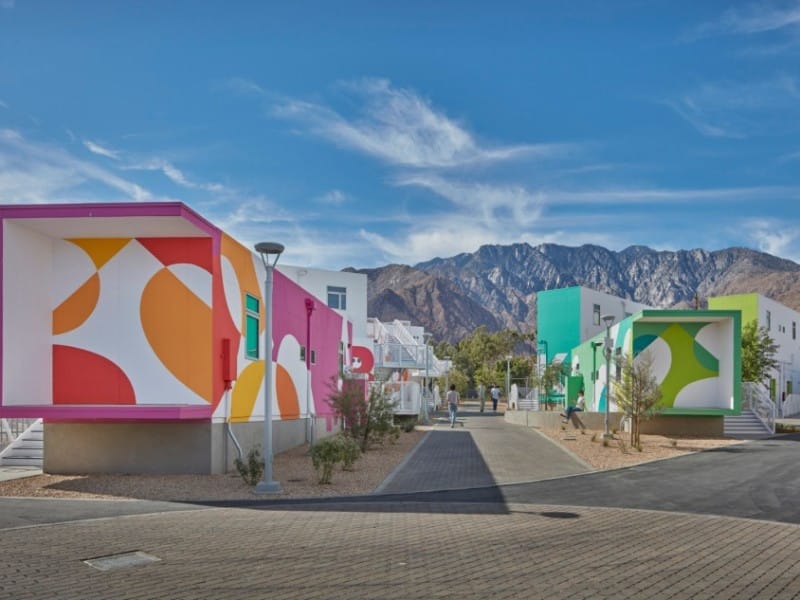
Palm Springs Homeless Navigation Center wins two national architecture awards
The American Institute of Architects honored the facility with a 2026 Architecture Award and a Housing Award in the Specialized Housing category.
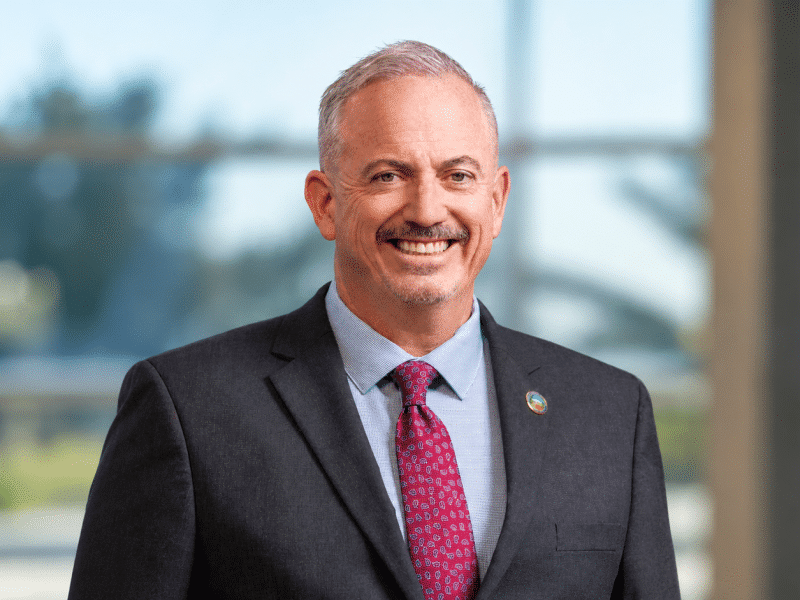
Palm Springs names former Anaheim city manager as interim leader
Jim Vanderpool, who resigned in Anaheim in February, starts Thursday. He will work alongside City Manger Scott Stiles before Stiles’ retirement takes effect Nov. 1.
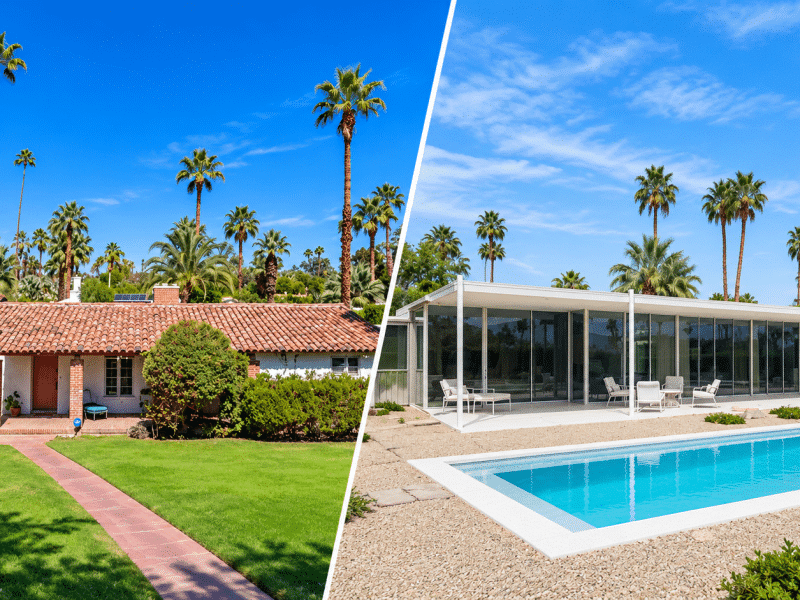
Preservation board recommends Class 1 landmark status for two homes from different eras
A 1936 Spanish Colonial Revival residence and a 1967 house designed by architect William F. Cody up for consideration were unanimously approved.