
After decades of promises, northern Palm Springs redevelopment plan heading toward a vote
The Tramview Heights Specific Plan would guide development of 510 acres over 20 years, replacing a failed earlier effort.
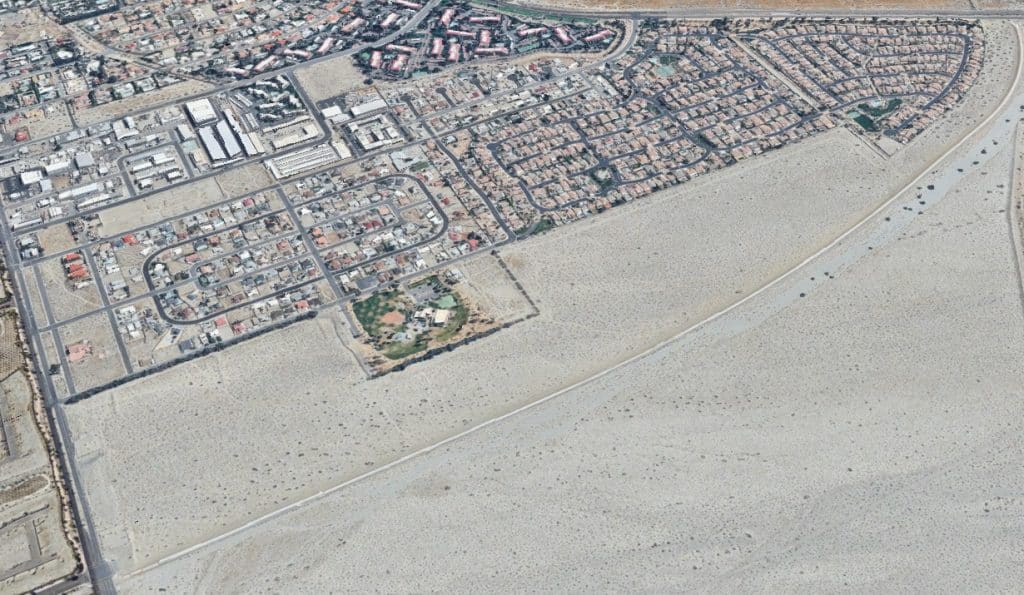
An effort to reshape the northern portion of Palm Springs moved closer to reality Monday as city officials and residents gathered at the James O. Jessie Desert Highland Unity Center gymnasium to review a draft plan that could guide development of roughly 510 acres over the next two decades.
The Tramview Heights Specific Plan — a custom zoning framework that sets land uses, development standards and design guidelines for the area — is expected to go before the Planning Commission within 30 to 45 days, followed by City Council review approximately 30 days later.
Local reporting and journalism you can count on.
Subscribe to The Palm Springs Post
The plan covers a stretch of the city’s north end bounded by Highway 111 to the west, Indian Canyon Drive to the east, a flood control levee to the north and San Rafael Drive to the south, and is divided into 10 planning areas.
It is being shaped against a backdrop of frustration from residents who say the area has long been overlooked.
“The north area has been neglected. It’s time to step up,” said Don Soja, a nearly 20-year resident.
Councilmember Grace Garner, who represents the area, pointed to the fact the effort — which she has stewarded at City Hall — is now the best opportunity to change that dynamic by putting more control in the community’s hands.
“This is the project that I asked the council to do,” she said. “I wanted to give the community an opportunity to really take control of how we develop this area.”
The new plan replaces the failed College Park Specific Plan, which had been tied to a College of the Desert campus on land the city gave the college in 2010 that was never built at the site, leaving behind a large vacant parcel of roughly 120 acres and a community without the economic benefits that had been anticipated.
That COD land, which the city did not require the college give back if the campus wasn’t built, is now seen as the largest opportunity site with frontage on Indian Canyon Drive — and the primary driver of future development.
City officials acknowledged Monday that at least one developer is in talks with the college regarding the property, though they stressed no special treatment would be given and that the process would remain community-driven.
The plan calls for a mix of housing types, including multi-family, higher-density, multi-generational, senior and affordable units, as well as mixed-use development blending residential and commercial uses. Officials said the emphasis would be on small-scale neighborhood retail — local storefronts and home-based businesses scaling up — rather than large commercial development.
Mobility and connectivity emerged as significant priorities, with the plan calling for new crosswalks, traffic calming measures, protected and shared bike lanes, and the potential conversion of a drainage corridor into a landscaped multi-use trail for pedestrians and cyclists.
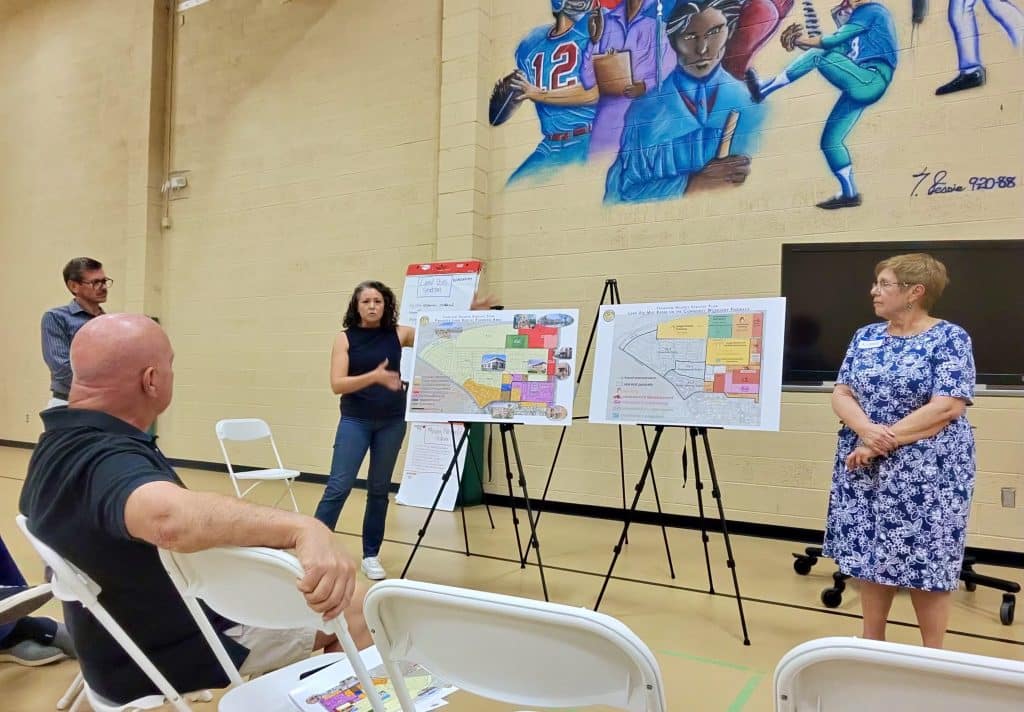
One of the plan’s most discussed features is a proposed community task force that would include residents, business owners, city staff and elected officials. The group would be charged with setting priorities, pursuing grant funding and guiding implementation over time.
Director of Planning Services Chris Hadwin was direct about what happens to the land without the task force, saying, “If the community doesn’t stay involved, that document winds up on a shelf and only gets taken out when someone asks about developing a piece of it.”
Funding remains a central challenge. Hadwin acknowledged the plan relies heavily on grants and public funding programs and that not every project will be funded, with implementation expected to be uneven across the plan’s long timeline.
If the City Council adopts the plan, the task force would be formed shortly after. The council would retain the ability to modify the plan before passage.
Author

Related Articles
Demuth Park’s long-awaited pickleball expansion opens in Palm Springs, nearly doubling court capacity
An estimated 300 picklers of all ages turned out to celebrate and test out the 22 new courts on Wednesday.
$47M Ramon Road bridge widening brings two years of traffic headaches, CV Link detour
Project officials warned residents to prepare for delays starting in December as crews widen the critical Palm Springs corridor while rerouting cyclists onto surface streets.
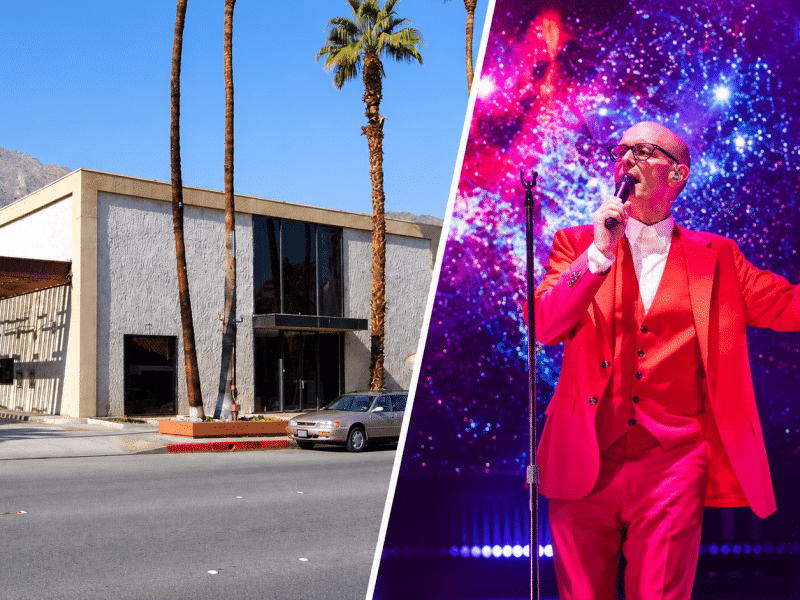
Commission approves live entertainment permit for one-man science and music show downtown
Planning commissioners on Tuesday signed off on a conditional use permit for a building that will house Patrick Olson’s “The Art of Science,” which is expected to open in December or January.