
City’s Human Rights Commission hears discrimination accounts, considers anti-bias education push
“I want Palm Springs to be safe and welcoming for everyone, not just the wealthy retired white men, but for people of every race and background,” one speaker said.
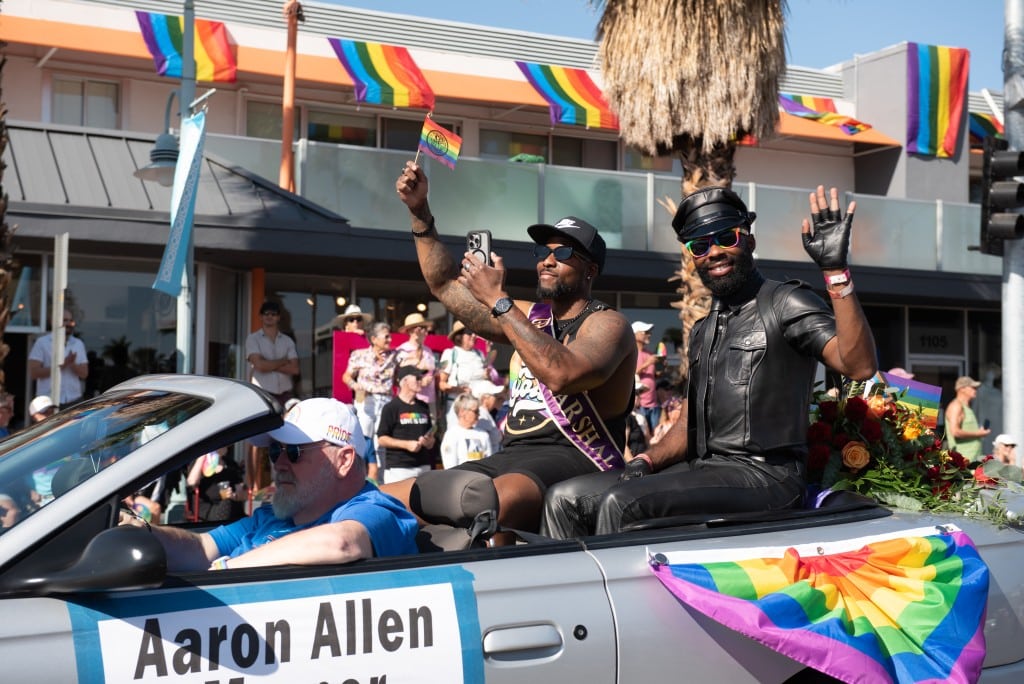
The Palm Springs Human Rights Commission on Monday heard accounts of racial discrimination and exclusion in the city from multiple residents — several describing specific incidents at a local bar — before outlining plans to develop community-wide anti-bias educational resources.
Honey Davenport, a non-binary performer and the reigning International Mr. Leather, told the commission that at a May 1 fundraising event organized by a visiting nonprofit composed of and led by people of color, participants were left feeling discriminated against. Still, Davenport said, the issue extends well beyond the single incident, adding, “Education is the first steps in dismantling discrimination.”
Local reporting and journalism you can count on.
Subscribe to The Palm Springs Post
Other residents who addressed the commission described experiences ranging from a former bar employee who said they were let go after confronting a patron who used a racial slur, to a member of the nonprofit that organized the May 1 event who said online hostility surrounding the incident had since crossed into real-world settings. He cited the appearance of a Confederate flag T-shirt at a community gathering in the days following the incident as one example.
Additional speakers described a wider pattern of racial exclusion throughout Palm Springs — being denied discounts others received, turned away from events advertised as inclusive, mistaken for staff rather than guests, and fetishized because of their race or ethnicity.
“Racism is not often one event,” said one resident, a therapist and gay man of color. “It’s a collection of moments that leave you constantly wondering, was I treated differently because of my race?”
Another resident said that despite Palm Springs’ reputation for progressivism, structural bias remains a persistent reality.
“I want Palm Springs to be safe and welcoming for everyone, not just the wealthy retired white men, but for people of every race and background,” he said.
Commission Chair Hugo Loyola had set the parameters of the session at its outset, drawing a firm line between the evening’s discussion and any formal legal or investigative process.
“This discussion is not an investigation, nor is it a hearing regarding the incident that occurred,” Loyola said, noting the commission does not determine facts, assign liability, adjudicate disputes, or provide mediation services. He said the purpose was “to listen, learn, and consider how the Human Rights Commission can fulfill its educational mission by helping create greater awareness, understanding, and inclusion throughout our community.”
Lex Ortega, the chief programs officer at the LGBT Community Center of the Desert, told commissioners the center already requires every staff member to complete a 10-session anti-racism training program through Social Justice Partners Los Angeles and offered to extend those resources to local businesses and residents.
Ortega also said the center has an established relationship with the California Civil Rights Department’s community conflict resolution unit and could connect the commission with mediators if needed.
By the end of the meeting, commissioners were discussing a framework for community-wide anti-bias education that could include in-person public seminars, online webinars, educational materials posted to the city’s website, and a voluntary certification or window-marker program for businesses that complete anti-bias training.
Commissioners moved toward forming an ad hoc committee — requiring at least three commissioners under procedural rules — to develop those materials in collaboration with the center. Commissioner Bobby Rimas, who holds an academic background, agreed to help lead the effort.
“When a business comes across with the perception that they’re not inclusive, it’s not just bad for business,” Rimas said. “It’s also bad for the city of Palm Springs.”
Loyola said the full commission, including new members set to join in July, would be invited to self-nominate for the ad hoc committee. The commission is scheduled to meet next on Monday, July 13.
Author

Related Articles
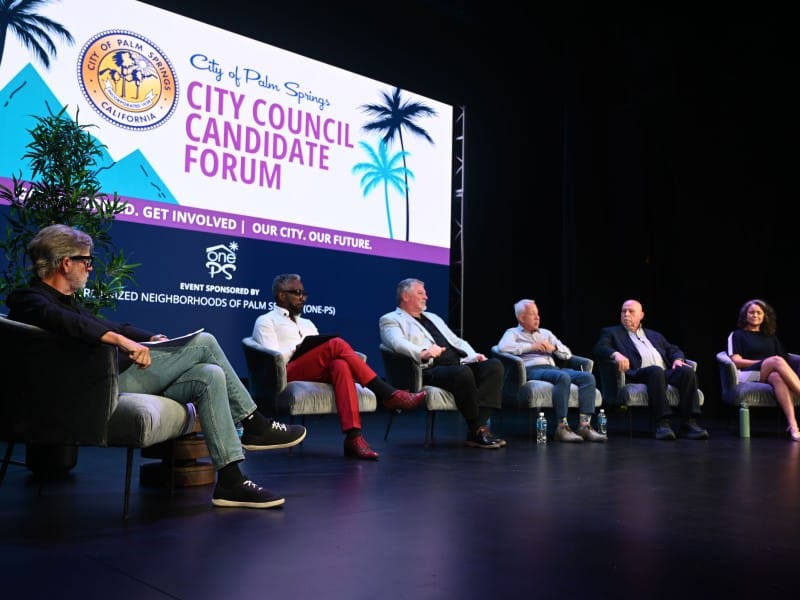
Palm Springs council candidates weigh in on Flock cameras, stalled hotels, more at forum
Five candidates for three seats also addressed traffic safety and the library renovation at a forum hosted by Organized Neighborhoods of Palm Springs.

Palm Springs airport study finds economic impact tops $2.55 billion
Nearly 97% of the airport’s overall economic impact stayed within the Coachella Valley, the study found, and more than half occurred within the city of Palm Springs.
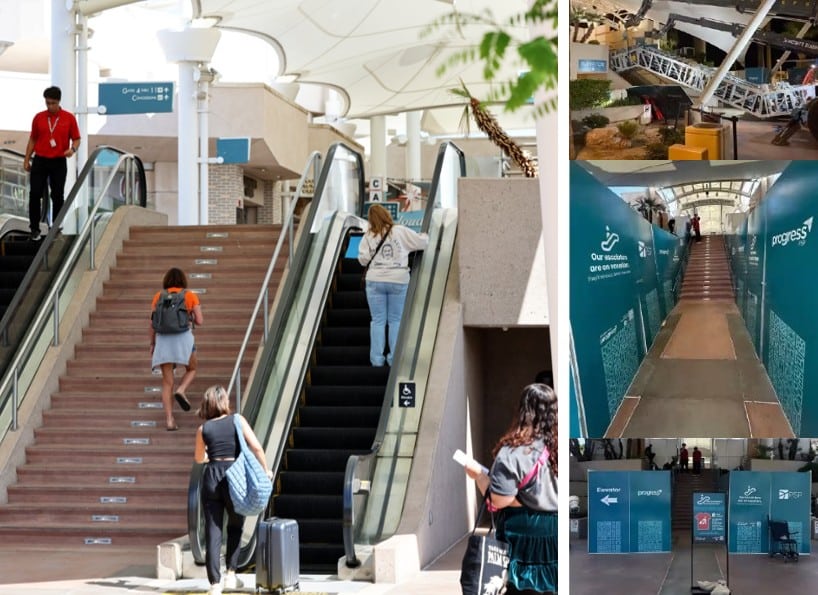
New Palm Springs airport escalators ready for final inspection, on track to open by month’s end
The Sonny Bono Concourse project aims to cut noise and improve reliability, with a ribbon-cutting celebration expected within weeks.