
Regional traffic signal network to double in size as Palm Springs pushes safety upgrades
CVAG’s synchronization program will pass 500 intersections this fall while city crews use federal grants to add protected left turns at crash-prone locations.
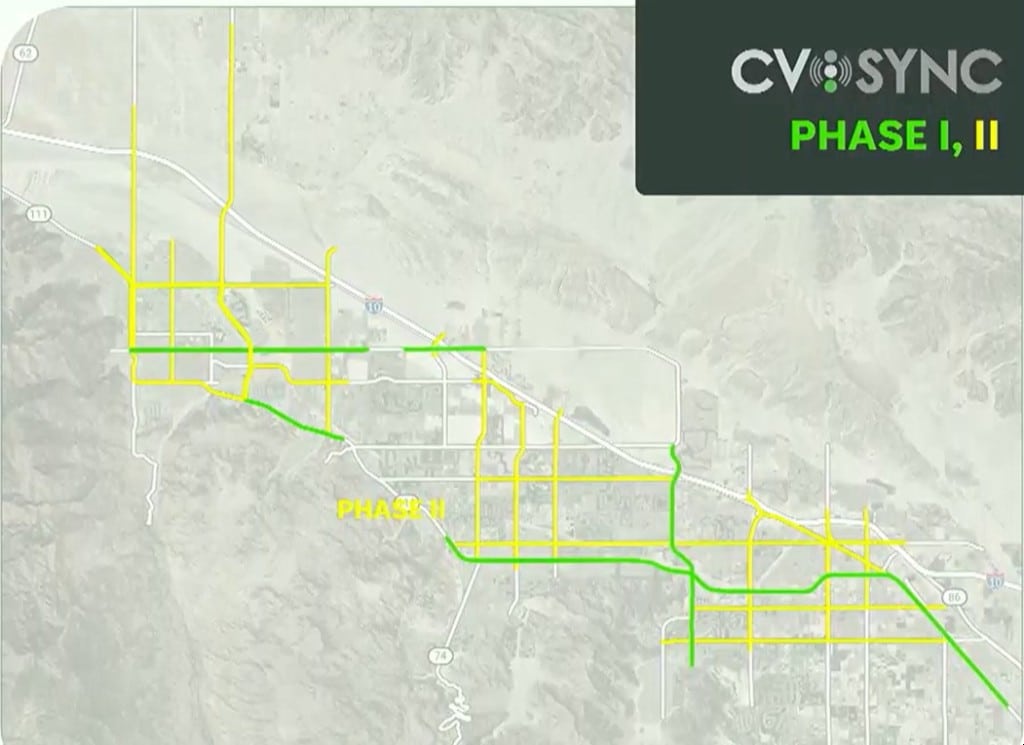
A regional traffic signal synchronization program covering the Coachella Valley will surpass 500 connected intersections this fall, according to a presentation to the Palm Springs City Council.
Kris Gunterson, CVSync program manager for the Coachella Valley Association of Governments (CVAG), told the council recently that the first phase of the program, completed about two years ago, synchronized three corridors — Highway 111, Washington Street and Ramon Road — covering 134 intersections.
Local reporting and journalism you can count on.
Subscribe to The Palm Springs Post
The current second phase adds 18 more corridors and will bring the total above 500 intersections when it is completed later this fall.
Gunterson said signals shown in green on the regional traffic map are synchronized, while those in yellow operate in a “free” mode that groups vehicles based on demand from approaching traffic. Some signals appear gray because of disruptions from bridge construction affecting fiber optic lines and from radio communication that drops intermittently.
One example is Sunrise Way, which Gunterson said was synchronized recently but is being switched back to free operation after the change generated a high volume of complaints. The corridor, funded through a federal air quality mitigation grant, will be re-synchronized using a shorter cycle length to ease drivers into the change, he said.
City Engineer Joel Montalvo said the city has secured about $9.5 million in state and federal highway safety grants since 2017 to study and upgrade intersections. A five-year analysis of 19 intersections in one project found about 218 collisions, with 71 of 78 vehicle-related crashes tied to left-turn movements.
The city has added protected left turns at 13 of those 19 intersections and has completed upgrades at 17 of 21 intersections identified citywide, with four more in progress.
Mayor Pro Tem David Ready questioned why some intersections allow protected-permissive left turns — where drivers can turn on a green arrow or when safe — while others allow only protected turns, and why a recent change requiring one direction’s turn arrow and through traffic to clear before the opposing turn arrow activates has lengthened some cycles.
Montalvo said the determinations are made intersection by intersection based on crash history and traffic data, and that changes to existing protected intersections require sufficient supporting data.
Author

Related Articles

Palm Springs council candidates weigh in on Flock cameras, stalled hotels, more at forum
Five candidates for three seats also addressed traffic safety and the library renovation at a forum hosted by Organized Neighborhoods of Palm Springs.
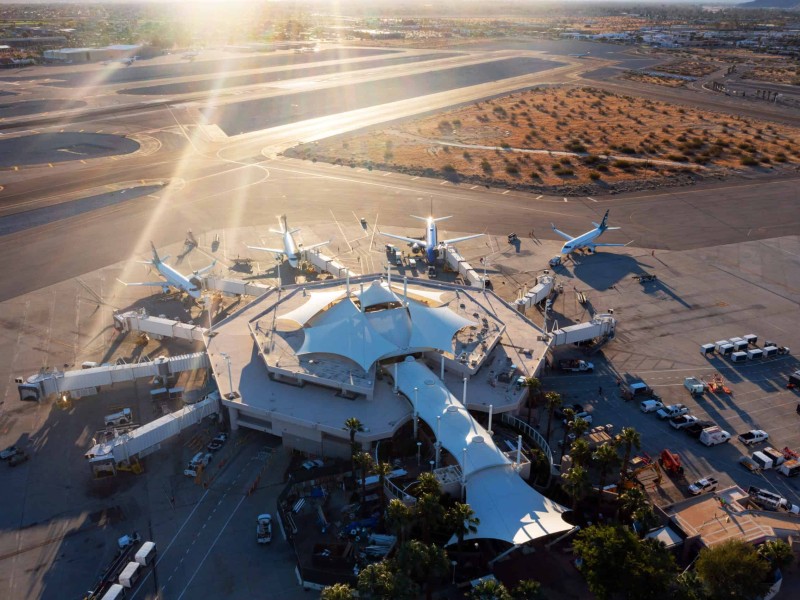
Palm Springs airport study finds economic impact tops $2.55 billion
Nearly 97% of the airport’s overall economic impact stayed within the Coachella Valley, the study found, and more than half occurred within the city of Palm Springs.
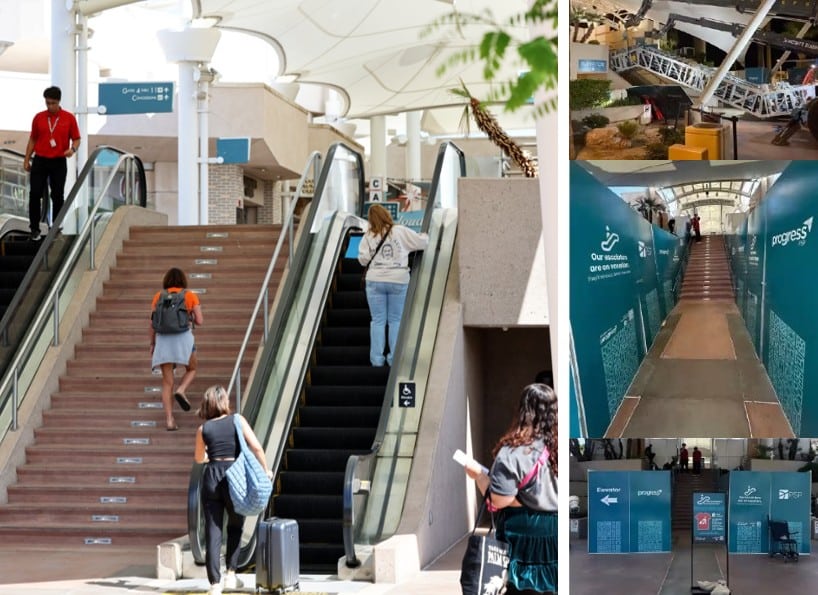
New Palm Springs airport escalators ready for final inspection, on track to open by month’s end
The Sonny Bono Concourse project aims to cut noise and improve reliability, with a ribbon-cutting celebration expected within weeks.