
Advocates log dozens of Palm Springs immigration actions as local legal observers expand tracking
While federal arrest numbers reach record highs nationwide, local advocates told Palm Springs human rights officials that enforcement has remained constant since 2025 as community groups step up support.
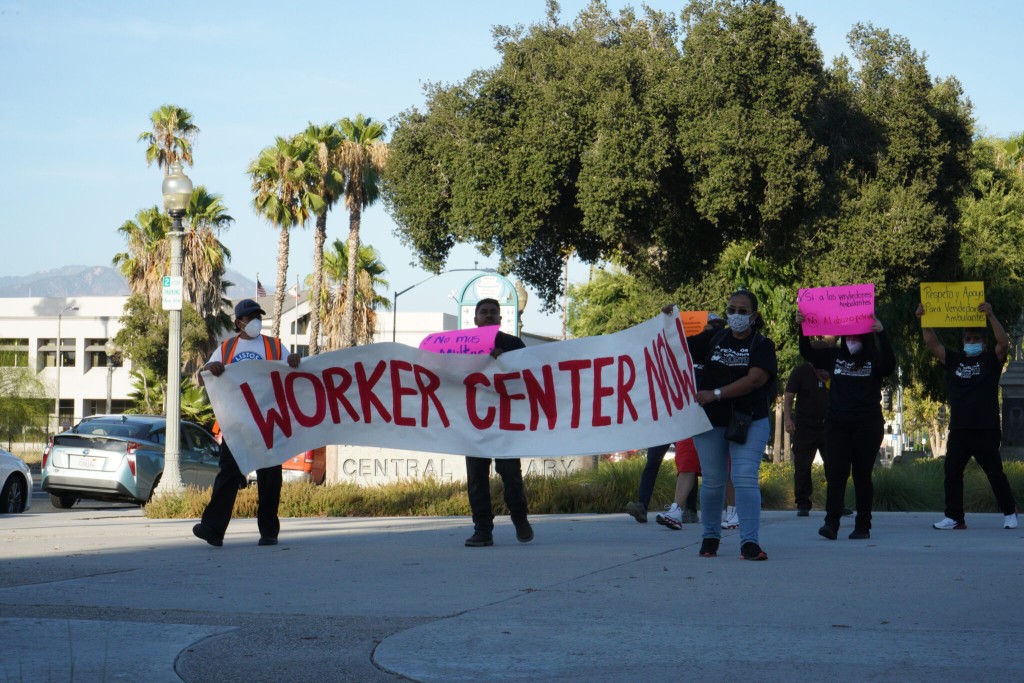
Immigration enforcement across the Coachella Valley has not slowed down since 2025, operating largely outside the view of West Valley neighborhoods even as federal detainment numbers hit historic highs nationwide.
While tourist districts and residential enclaves remain calm on the surface, community groups told the Palm Springs Human Rights Commission on July 13 that federal agents are actively targeting local workers, leaving families without providers and pushing vulnerable residents to extreme measures.
Local reporting and journalism you can count on.
Subscribe to The Palm Springs Post
Federal immigration arrests spiked sharply this month. According to U.S. Immigration and Customs Enforcement (ICE) detainment records reviewed by The Washington Post, the agency averaged over 1,400 daily arrests through early July, on track for its highest monthly total under the current administration after detaining nearly 40,000 people in June.
Yet local advocates emphasized that for Palm Springs residents, the local surge isn’t new.
“In all honesty, immigration enforcement in the entire Coachella Valley, including Palm Springs, hasn’t stopped since last year,” said Luz Gallegos, executive director of TODEC, an immigrant rights organization providing direct assistance across the region. “It’s happening daily. Operations haven’t stopped.”
TODEC tracked more than 500 agents in the region on June 18, what they say is one of the largest operations in memory.
Gallegos detailed the human toll behind the enforcement, illustrating how the sudden disappearance of family wage-earners destabilizes entire neighborhoods. TODEC is currently providing emergency casework, groceries, and legal support to 113 Palm Springs residents who have lost family members to detention or deportation.
“The only safety net that undocumented immigrants have is their jobs, and when that gets impacted, so is their life,” Gallegos said. “Our community is not thinking of prevention; they’re thinking of survival.”
The trauma, Gallegos explained, often cascades into tragedy long before federal agents even make physical contact.
She recounted the story of a local worker who stopped going to his job out of fear after heavy social media reports of local sweeps. Falling behind on rent and unable to feed his family, the man took his own life.
TODEC got involved to help the family with funeral costs and relocated the widow and her two children to Palm Springs, emphasizing that they are now neighbors and members of the Palm Springs community.
Gallegos described the difficulty in operating a public organization that tries to help community members who are sometimes too afraid to leave their house.
“The community tells us, ‘Please don’t bring attention to us,’ and that’s the way we’ve been organizing and it hurts us,” she said.
TODEC works with other organizations, but as federal funding dries up, particularly for groups working with immigrants, she said other organizations have to be careful about associating with TODEC for fear of putting their funding at risk.
She said last month TODEC ran out of money and put out an urgent call for donations, “Since June, it’s been powered by community,” she said. “We’re very blessed for the Coachella Valley for stepping up, but to be honest, the demand is higher than what comes in.”
One bright spot for Gallegos is the large force of volunteers that have stepped up, “It’s so amazing how so many people want to do something,” adding that TODEC has trained some 500 volunteers since last year.
Another organization, the Inland Coalition for Immigrant Justice (IC4IJ) has also been tracking ICE arrests through its regional emergency hotline. Coachella Valley organizer Michelle Monjaras reported that the coalition logged 25 separate immigration enforcement actions within Palm Springs city limits since June 2025.
Of those 25 incidents, 21 involved ICE, including a raid at the Palm Springs Home Depot, and four involved U.S. Border Patrol.
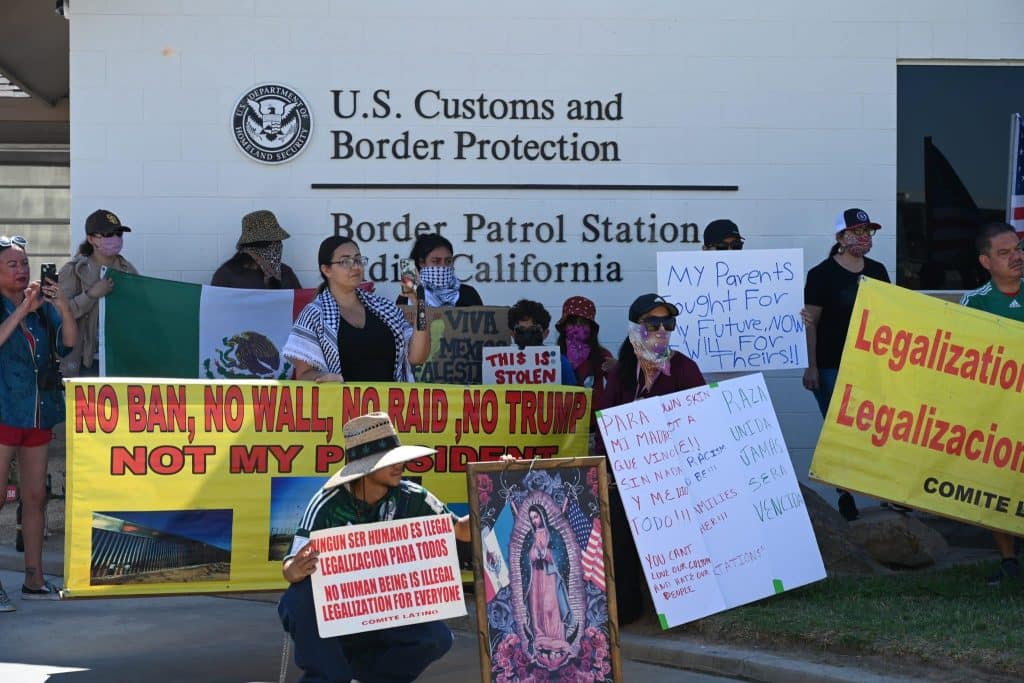
Monjaras stressed that these 25 reports should be considered a drastic undercount, as it only reflects incidents when bystanders or family members knew to call.
“Most of the time, it happens quietly, and it happens at just one little time frame of the day,” Monjaras said. “Residents who weren’t there to witness it just go on with their life, not knowing that this happened right outside.”
In an interview following the meeting, Monjaras noted how easy it is for unaffected community members to ignore the crisis unfolding around them.
“I understand why community members don’t have that same understanding, because it’s not always right in our faces,” Monjaras said. “It really is out of sight, out of mind. But the community deserves transparency.”
To counter the lack of federal transparency, IC4IJ relies on a network of 90 trained volunteer legal observers across the Coachella Valley, averaging eight to ten per city, who deploy within a five-mile radius of hotline reports to document agents, vehicles, and conduct.
Both TODEC and IC4IJ urged Palm Springs leaders and residents not to mistake silence for safety. They called on the city to explore municipal legal defense funds, and to ensure Flock surveillance technology isn’t being used by immigration enforcement.
“I felt very powerless, and now I’m very empowered,” Monjaras said of her work documenting local actions. “I feel empowered to activate the people who are also wanting to become involved but don’t know how.”
Author

Related Articles
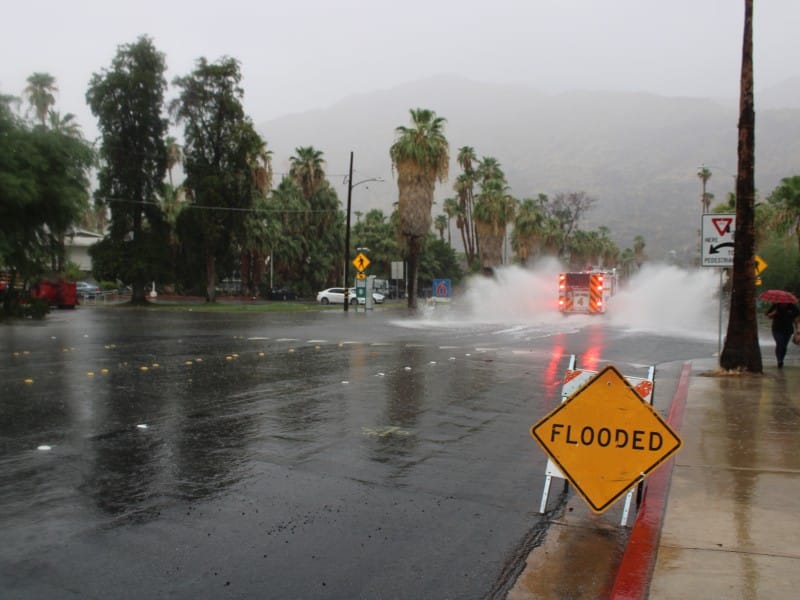
Palm Springs prepares for strong El Niño with growing CERT ranks
Hundreds of residents have already received emergency training, and demand remains high as the city and volunteer groups brace for possible flooding and other severe weather.
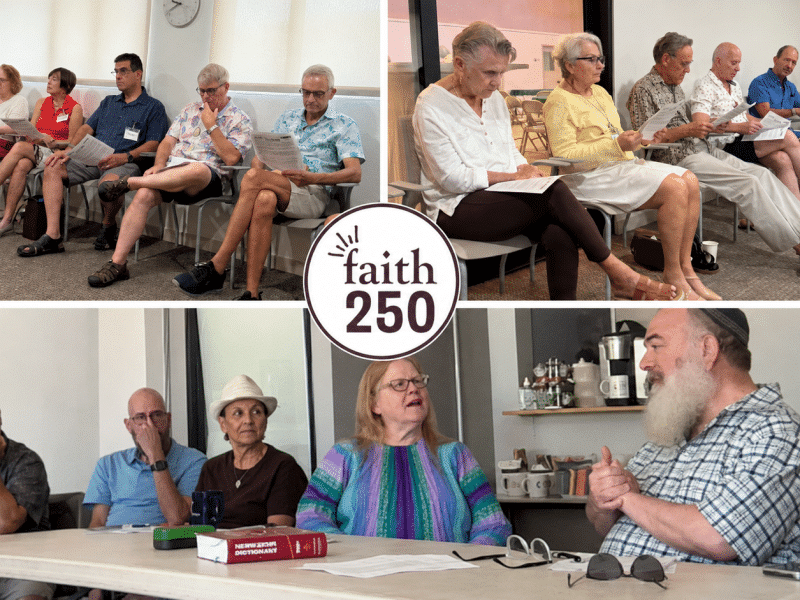
Valley congregations pair American history with faith traditions in ongoing dialogue series
The faith250 initiative pairs founding documents like the Declaration of Independence with religious texts and regional history.

Officials set turf closure schedule for a dozen city parks
Rotating maintenance closures will affect fields and grass areas at parks across the city from September through December to allow reseeding and irrigation work.