
Palm Springs prepares for strong El Niño with growing CERT ranks
Hundreds of residents have already received emergency training, and demand remains high as the city and volunteer groups brace for possible flooding and other severe weather.
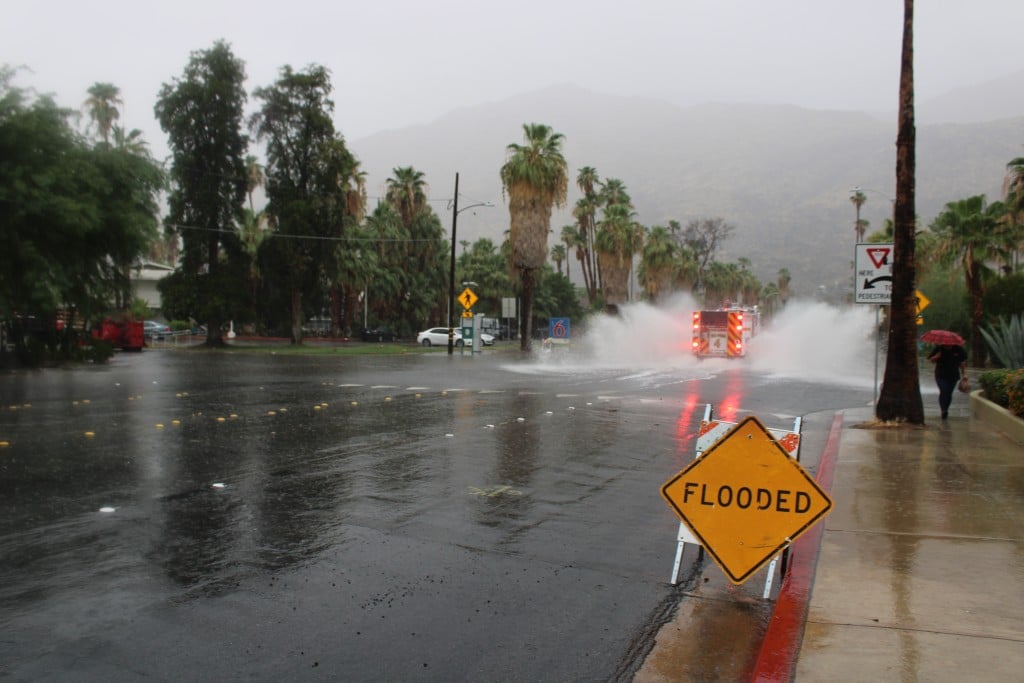
With forecasters increasingly confident that a strong El Niño will develop this year, Palm Springs officials say the city is entering the season with a growing network of residents trained to help when disaster strikes.
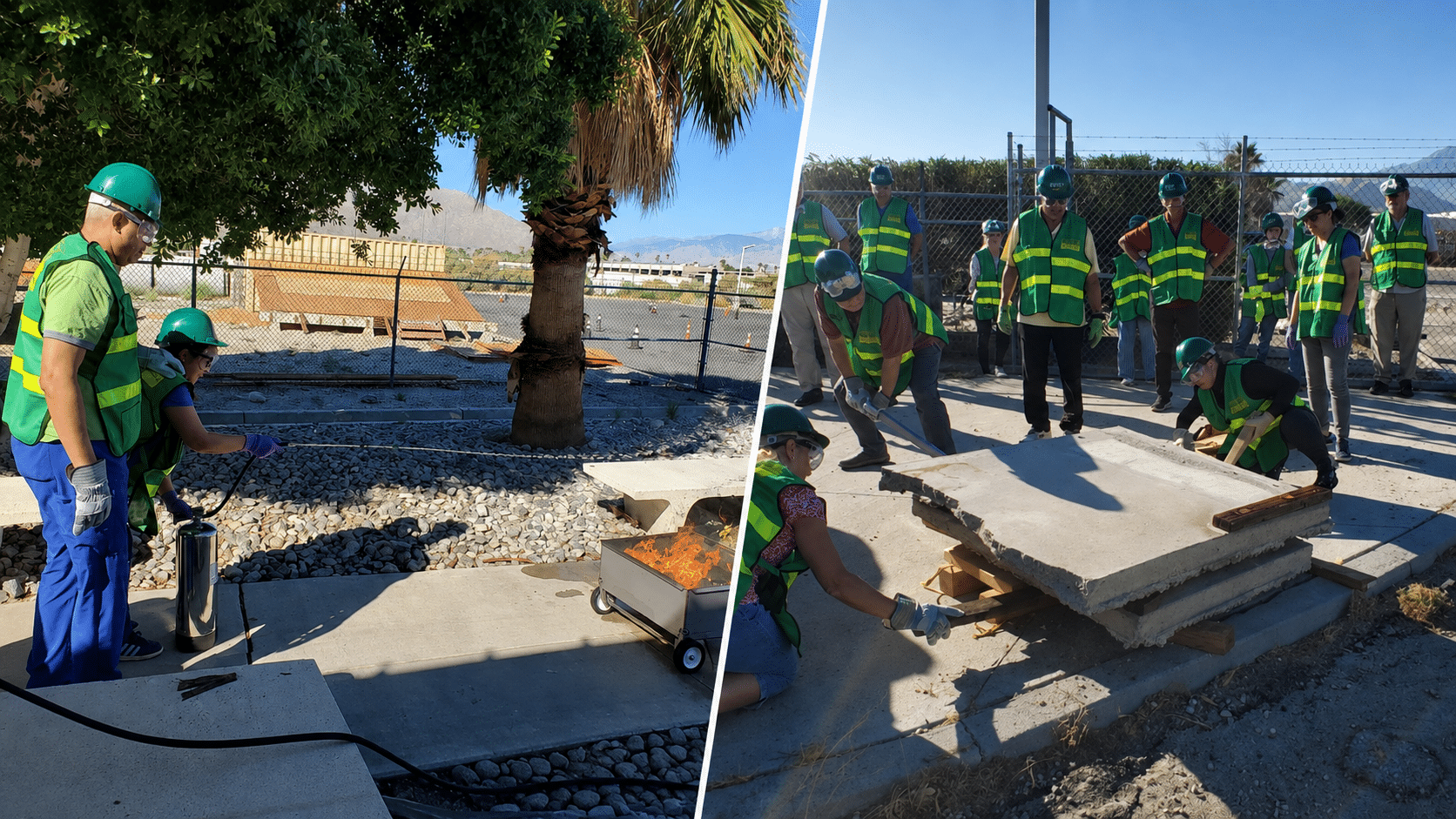
Much of that work happens through the city’s Community Emergency Response Team (CERT) program, which teaches residents how to help themselves and their neighbors if police and fire services are overwhelmed during a major emergency.
Local reporting and journalism you can count on.
Subscribe to The Palm Springs Post
Interest in the free, 20-hour course has been strong. All 40 seats in the city’s October CERT class filled within three days of registration opening, and a waiting list is now available. Additional classes are scheduled for Jan. 22-24 and March 5-7.
CERT is only part of the broader preparedness effort taking shape across Palm Springs and the Coachella Valley.
Mitch Brown, president of the Coachella Valley Disaster Preparedness Network, recently told city officials that the all-volunteer nonprofit has trained more than 2,000 people so far this year, including 384 in Palm Springs. Its volunteers have logged more than 4,100 hours.
Brown said the training appears to be prompting people to act. Among those surveyed after completing at least one class, 88% reported taking some step toward becoming better prepared for an emergency.
The network wants to expand that work by bringing more training directly into Palm Springs neighborhoods, senior centers and businesses. Brown said the group could do more if the city provides a consistent training location and helps promote the programs through its communication channels.
Its offerings range from personal preparedness classes and disaster-plan development for homeowners associations to CPR and bleeding-control training offered in partnership with the Desert Regional Trauma unit.
Another volunteer group, Team Rubicon, is focusing in part on the threat of flooding. The organization offers sandbagging and roof-tarping classes to cities, volunteer groups and homeowners associations and has about 1,200 volunteers in Southern California.
The National Oceanic and Atmospheric Administration’s Climate Prediction Center said this month that it now has 90% confidence a strong El Niño will develop this year, up from 81% a month earlier. NBC Los Angeles meteorologist David Biggar said the pattern could rank among the strongest on record dating to 1950, although he cautioned that “that is no guarantee” of typical impacts everywhere.
That uncertainty is especially important in Southern California, where a strong El Niño does not always translate into a wet winter. The strong 2015-16 El Niño coincided with one of Los Angeles’ driest years on record, while the strong 1977-78 event was followed by more than twice the region’s average rainfall.
For local emergency volunteers, the threat is not theoretical.
Bob Yturralde, a 30-year veteran of the Palm Springs Fire Department, said Team Rubicon spent two weeks helping clean out 13 homes in Cathedral City after Hurricane Hilary. The group has also carried out debris removal and fire-mitigation work across the region.
Councilmember Grace Garner, who was mayor during Hurricane Hilary, said that experience deepened her interest in emergency preparedness. Garner completed the CERT course in March and encouraged residents to take the training and consider volunteering with either the Coachella Valley Disaster Preparedness Network or Team Rubicon.
“I got a real different look at it when I was mayor during that time, and it’s been really more of a passion of mine to get more involved in emergency response,” Garner said.
Details: Information about CERT classes and the volunteer organizations is available on the city’s website here.
Author

Related Articles

Palm Springs council candidates weigh in on Flock cameras, stalled hotels, more at forum
Five candidates for three seats also addressed traffic safety and the library renovation at a forum hosted by Organized Neighborhoods of Palm Springs.

Palm Springs airport study finds economic impact tops $2.55 billion
Nearly 97% of the airport’s overall economic impact stayed within the Coachella Valley, the study found, and more than half occurred within the city of Palm Springs.
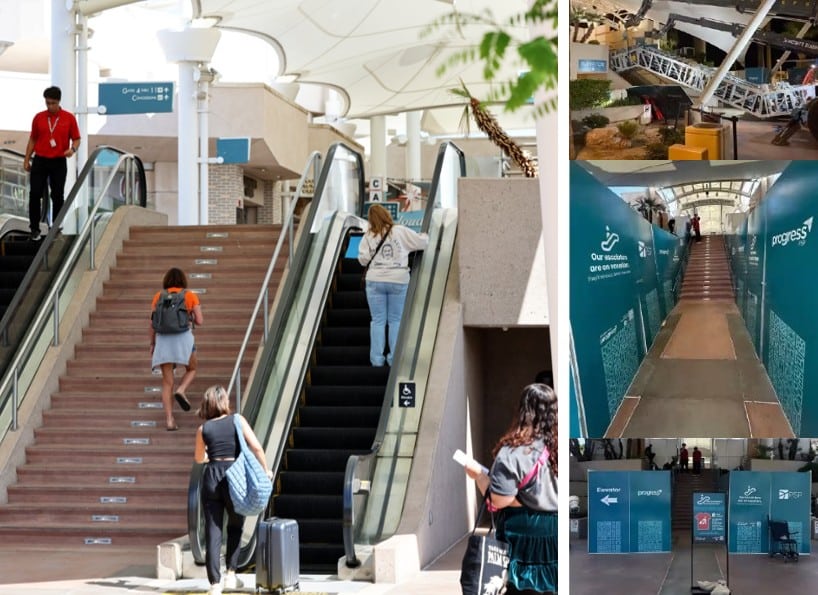
New Palm Springs airport escalators ready for final inspection, on track to open by month’s end
The Sonny Bono Concourse project aims to cut noise and improve reliability, with a ribbon-cutting celebration expected within weeks.