
As tourism district moves forward, some STR owners push back, city defends outreach
Palm Springs officials say the lodging industry helped shape the plan, but as the protest window opens, some vacation rental operators say they were left out.

The Palm Springs City Council has set in motion a plan to create a new tourism district that would fund convention center improvements, but as a formal protest period opens, emails sent to The Post show some short-term rental operators say they were left out of the process and are raising concerns about the proposal’s impact.
Council members last week approved a resolution of intention to form the Palm Springs Tourism Infrastructure District, or PSTID, a move that begins a required 45-day window for lodging businesses to formally protest the plan. The district would assess hotels, vacation rentals and other lodging operators 1% of gross short-term rental revenue, generating an estimated $4.1 million annually to support expansion and modernization of the Palm Springs Convention Center.
Local reporting and journalism you can count on.
Subscribe to The Palm Springs Post
City officials have described the proposal as industry-driven, noting that businesses representing more than 50% of the projected assessment signed petitions to advance the plan to council consideration.
But some short-term rental owners say that characterization does not reflect their experience.
“We learned about this proposal the same way the general public did, through a notice in the mail,” wrote Emily Markowitz Bailey, who owns a licensed short-term vacation rental in the city. “The fact that a representative from one vacation rental organization may have been involved does not mean that individual owners were consulted, informed or otherwise consented.”
Bailey said the structure of the district — which would use assessment revenue to help fund convention center improvements — raises questions about whether short-term rental operators would see meaningful benefits.
“Convention attendees do not stay in vacation rentals. They stay in hotels,” she wrote. “The entire premise of the convention center expansion … generates no measurable benefit for individual STR operators, yet we are expected to help finance it.”
Other operators told The Post they were unaware of the proposal until it was already moving forward and questioned whether independent owners were included in early discussions.
“Not a single independent vacation rental permit holder … was invited into the early planning process,” wrote Shon Tomlin, a Palm Springs resident and short-term rental permit holder since 2014. “That distinction matters because vacation rentals are now being asked to pay the same added 1% assessment, despite having no seat at the table.”
Tomlin also questioned why lodging businesses were included in the assessment while other sectors that could benefit from increased tourism were not.
“Retailers, restaurants, convention vendors and others were excluded, while lodging operators were targeted,” he wrote.
Ryan Fischer, another local operator who contacted The Post, raised broader concerns about the structure and oversight of the proposed district.
“This raises questions about who is truly speaking on behalf of different segments of the lodging industry,” Fischer wrote.
But a representative of Vacation Rental Owners and Neighbors of Palm Springs (VRON-PS), an advocacy group for short-term rental operators, said the industry did have a seat at the table during the plan’s development.
“Not a single independent vacation rental permit holder … was invited into the early planning process. That distinction matters because vacation rentals are now being asked to pay the same added 1% assessment, despite having no seat at the table.”
— Shon Tomlin, short-term rental permit holder since 2014
“I’ve been participating in the stakeholder committee meetings over the last year … from a short-term rental perspective,” said Kenny Cassidy, a VRON-PS board member and manager at ACME House Company.
Cassidy said VRON-PS also hosted a meeting for short-term rental permit holders earlier this year that included a presentation on the proposed district and an opportunity for questions.
City officials said outreach to the short-term rental community included meetings with VRON leadership, an email distributed to all permitted operators and a Jan. 27 virtual session attended by about 85 participants, where feedback was collected and incorporated into the plan.
The city also clarified that while early communications suggested support from VRON-PS, the organization itself maintained a neutral position and instead provided a forum for members to engage.
Petition support for the district includes roughly 520 lodging operators, including about 480 short-term rental owners, according to the city.
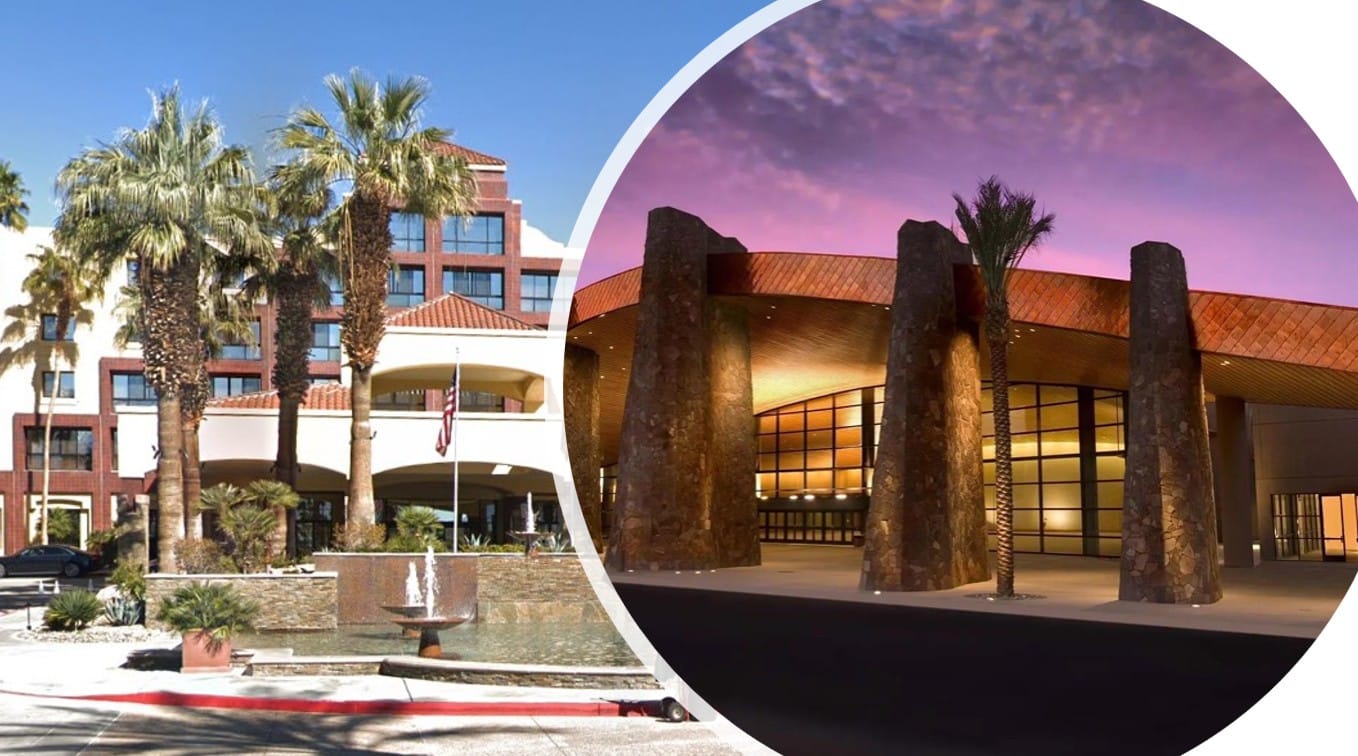
However, under state law, support is weighted based on each business’s share of total lodging revenue rather than the number of operators, meaning larger hotels carry greater influence in determining whether the district advances.
Under the law, the district can only move forward if written protests are submitted by businesses representing less than 50% of the total assessment. If that threshold is reached, the proposal would be halted for at least one year.
The proposed district would run for up to 40 years, with assessment revenue used first to repay bonds tied to convention center improvements. Any remaining funds could be directed toward marketing and sales programs intended to increase visitation.
If approved following public hearings scheduled for May 12 and May 27, the district could take effect as early as July 1.
Author

Related Articles

Palm Springs City Council approves new palm tree skirt removal policy
Officials will prioritize frond removal in high-traffic commercial areas, with exceptions for historic sites and habitat concerns raised by wildlife advocates.
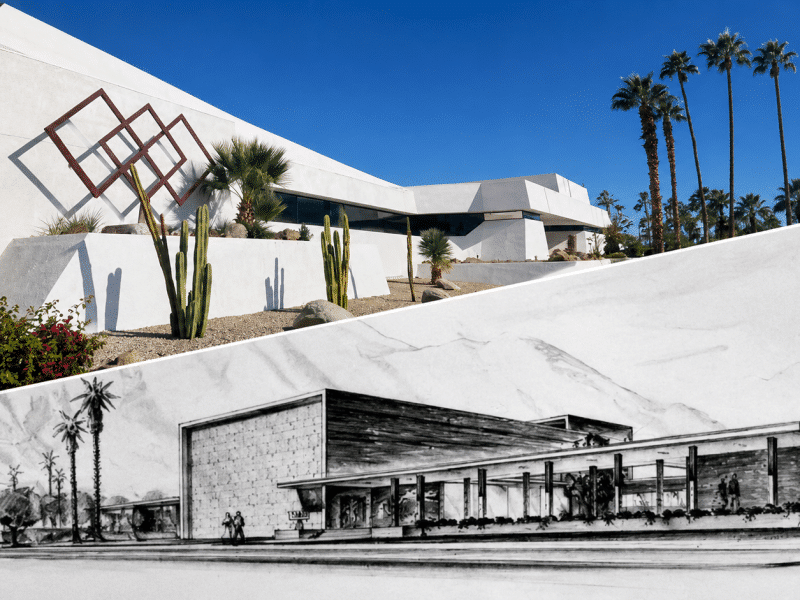
Palm Springs council approves historic status for Temple Isaiah
The council voted unanimously to designate the synagogue and Jewish community center a Class 1 landmark, citing its layered architecture and 75-year role as a cultural gathering space.
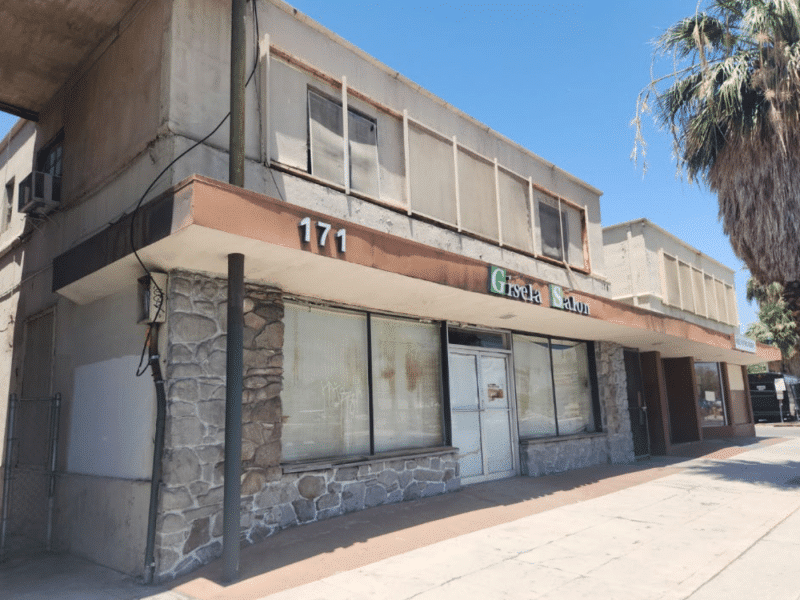
Historic site board backs demolition of a portion of Town and Country Center to make way for new Palm Springs fire station
The board greenlit the removal of two vacant buildings on North Indian Canyon Drive for a new Fire Station No. 1., though final plans have not yet been approved.