
Uncovering lost heritage: How tribal excavation revealed oldest known archaeological site in the valley
Just two months into construction of the new Agua Caliente Cultural Museum and spa, construction was halted after an amazing find. What followed was even more impressive.
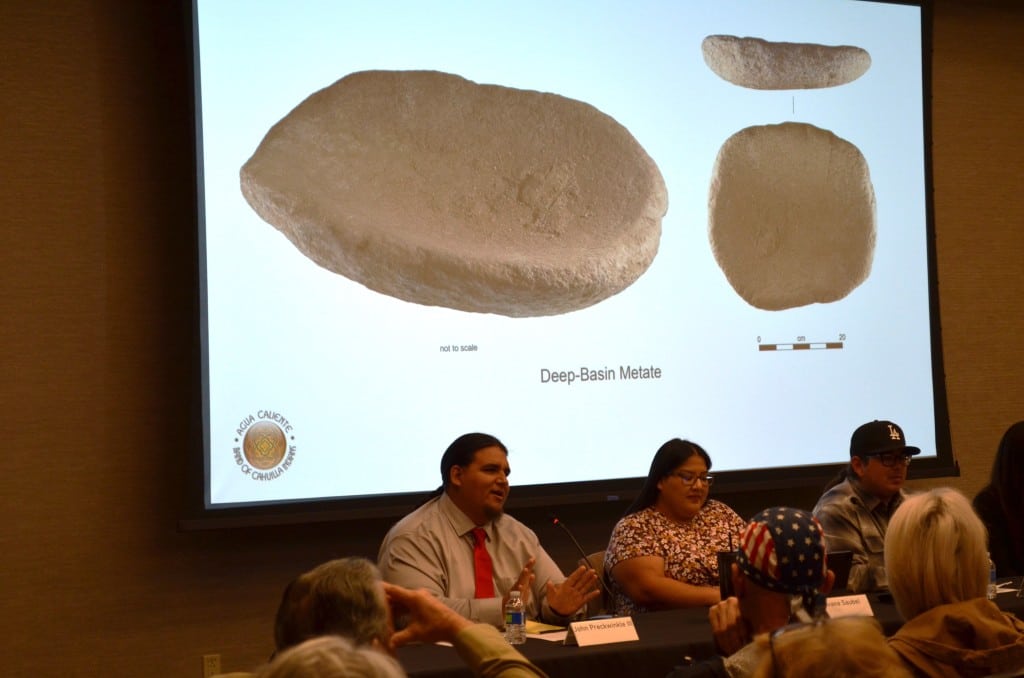
It was 8:30 a.m. on July 3, 2018, and temperatures were already climbing into the triple digits. Roman Dominguez and his fellow cultural monitors were dutifully following behind the heavy machinery leveling the ground in preparation for the construction of the Agua Caliente Cultural Museum and Spa at Séc-he, to be located near the intersection of North Indian Canyon Drive and Tahquitz Canyon Way. It was his job to scan the soil for any trace of artifacts or archaeological sites like hearths.
That morning, just two months after construction had started, Dominguez, a member of the Gabrielino/Tongva Nation, spotted what looked like a darkened patch of soil.
Local reporting and journalism you can count on.
Subscribe to The Palm Springs Post
To the untrained eye, it could have just been a different type of dirt. But with his training, Dominguez identified it as a “charcoal smear,” which could be indicative of a hearth.
As he looked closer, he discovered stone flakes and a flake of Rose Quartz.
His discovery led to a complete construction stop for more than four months as tribal members and experts painstakingly combed through the site to recover 100% of all artifacts found up to a certain depth.
“A full halt of a multimillion-dollar construction project doesn’t always happen,” said Savana Saubel, one of the tribal members who volunteered on the project. “It costs too much time and money.”
But she and others said the stop in construction shows just how devoted the tribe is to preserving their history.
What started as a couple of stone flakes and an off-color patch of soil turned into the discovery of a lifetime for members of the Agua Caliente Band of Cahuilla Indians. Thousands of artifacts were uncovered, ranging from large stone grinding tools to tiny shell beads.
Details behind the excavation were revealed at a recent sold-out lecture at the new museum, where many of the uncovered artifacts are now displayed.
During a panel discussion, tribal members who participated in the excavation revealed their emotions at the discovery to a packed room of about 70 people.
For many, it was a sense of pride. The discovery affirms what they already knew: We’ve always been here, and we’re still here.
Scott Kremkau, principal investigator with Statistical Research Inc. (SRI) out of Redlands and his team helped date the artifacts to about 4,000 to 6,000 years ago, making the site the oldest known archaeological site in the valley.
It was profoundly affecting for Saubel. She said when she held a small shell bead, she was instantly transported back in time as she thought about the last person who held the bead thousands of years ago.
“It almost became repetitive, dumping buckets out that are filled with nothing but pebbles and rocks. But then you’d come across a tiny shell or flake or an arrowhead, and it would rejuvenate you, and you’d want to keep coming back day after day.”
— John Preckwinkle III, Agua Caliente Band of Cahuilla Indians
She said she wondered about their everyday life, “I think about that ancestor. What did they use it for? What were they thinking? Were the women cooking and processing materials as children played nearby?”
It wasn’t an easy job. The tribal monitors and volunteers were trained to look for minuscule pieces of shells or stone flakes amid huge buckets of sand.
John Preckwinkle III said the long days peering at sand in the middle of summer were grueling.
“It almost became repetitive, dumping buckets out that are filled with nothing but pebbles and rocks,” he said. “But then you’d come across a tiny shell or flake or an arrowhead, and it would rejuvenate you, and you’d want to keep coming back day after day.”
For Preckwinkle, there was no discovery too small. It all meant something. He said that there are artifacts on display that are sacred and artifacts that were considered just everyday tools of life.
“But those were things we used to survive,” he said. “Everything was important, they had to take the time to craft things to process food.”
He said seeing the tools used for grinding reminds him that the tribe hasn’t fully assimilated, “We’re not phased out. We carry on the traditions that were left to us,” he said.
Traditions, he said, like using native plants and making traditional foods using ancient tools.
Saubel said she hopes visitors to the museum will come away with a newfound sense of appreciation for the tribe and its impact on the region.
“When you’re looking at the land of Palm Springs, you’re looking at the traditional home of the Agua Caliente. We lived here. We lived all over.”
Author

Related Articles
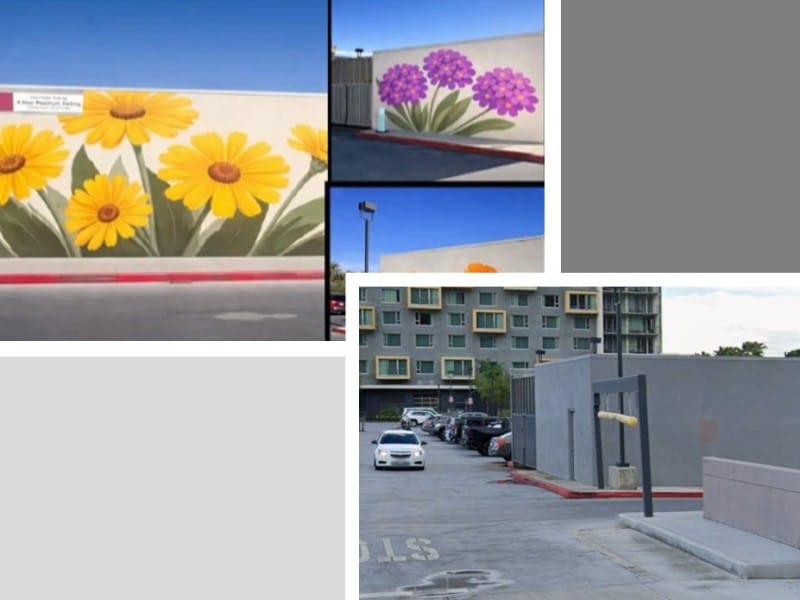
Discussion of broader program for city walls follows Arts Commission vote on wildflower mural
The mural, proposed by local artist collective Super Bloom and funded by Blue Zones, will cover the south, north and west facing walls of the parking structure near Museum Way.
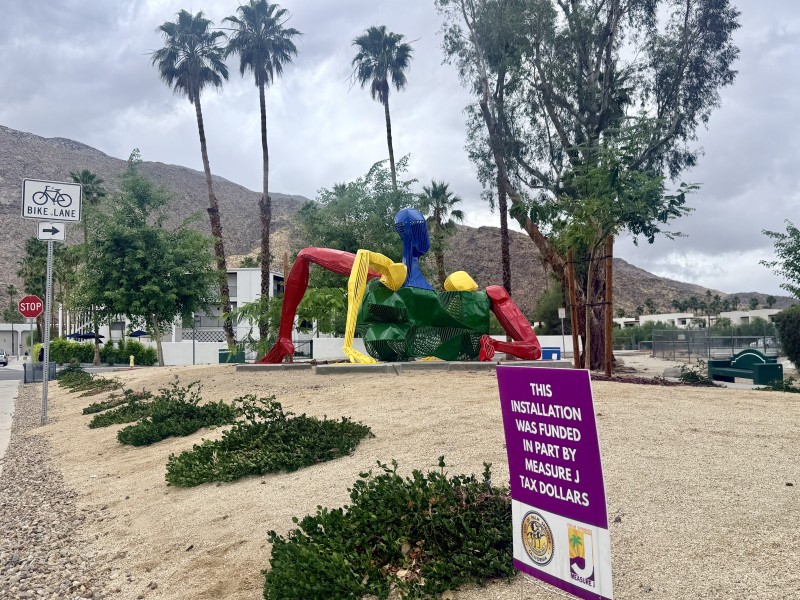
Palm Springs brings public art to the people, dedicating four new sculptures in city parks
A casual 2023 conversation between a councilmember and the Public Arts Commission chair sparked a three-year effort to bring contemporary art to neighborhood spaces beyond the city’s core.
Palm Springs Young Playwrights Festival names student winners, announces fundraiser production
The ninth annual festival will feature staged readings of the winning plays on June 7; a three-night production of an award-winning play next month will benefit the organization.