
Discussion of broader program for city walls follows Arts Commission vote on wildflower mural
The mural, proposed by local artist collective Super Bloom and funded by Blue Zones, will cover the south, north and west facing walls of the parking structure near Museum Way.
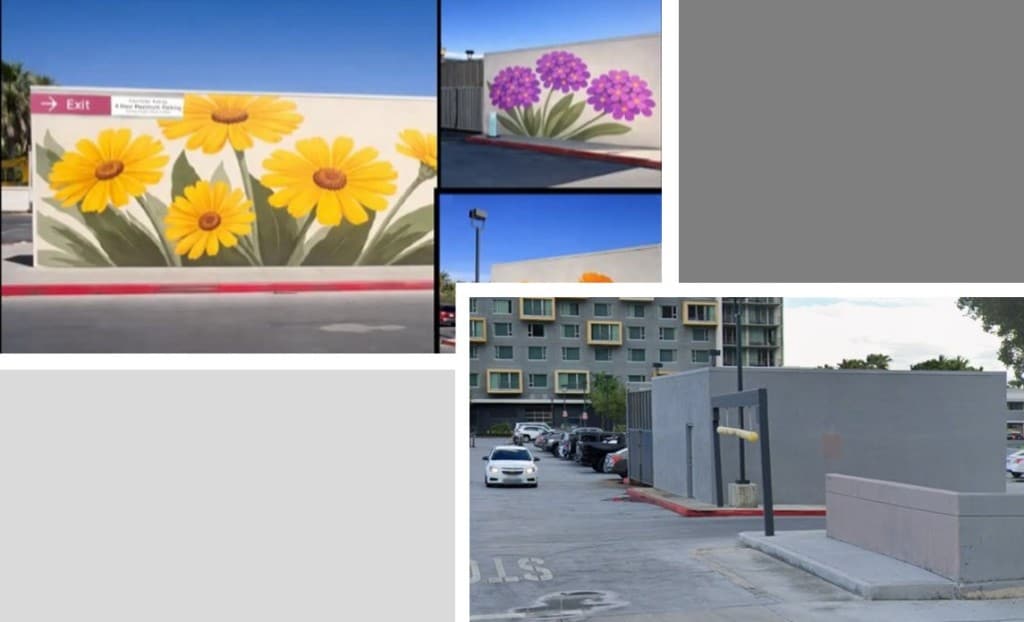
The Palm Springs Public Arts Commission voted earlier this month to approve a desert wildflower mural on three walls of the south downtown parking structure, while also laying the groundwork for a broader community mural program that could bring art to city-owned walls across Palm Springs.
The mural, proposed by local artist collective SUPERBLOOM and funded by Blue Zones, will cover the south, north and west facing walls of the parking structure near Museum Way.
Local reporting and journalism you can count on.
Subscribe to The Palm Springs Post
The design features three desert wildflowers — the desert verbena, the California poppy and the desert sunflower — and is intended to evoke the natural landscape that would exist on the site if the structure had not been built.
Blue Zones, a public health initiative focused on walkability and community well-being, is providing the funding for the project. SUPERBLOOM artists will lead the installation, which is planned for October to coincide with a Blue Zones community event.
The project will also include a community painting component, with residents, youth and Blue Zones members invited to help paint portions of the mural.
Commission Chair Gary Armstrong said the timing aligned well with other downtown priorities. “It was in Q1, city council had also mentioned drawing more attention to the downtown parking structures,” Armstrong said, noting the mural could help ease parking congestion on Palm Canyon Drive by drawing visitors toward underused structures.
Armstrong said the project is designed as a pilot for a larger community mural program he plans to bring before the commission at its May meeting. Under the proposed framework, community organizations or nonprofits would partner with an artist, fund the project entirely without city money, and install murals on city-owned walls for a minimum of one year.
If a new group comes forward with a funded proposal and commission approval, the previous group would be responsible for painting over their mural before the next artist begins.
Armstrong said the program could eventually expand to other city-owned sites. A staff member noted that a map of city-owned properties had already been reviewed to flag potential locations, with the train station identified as one underused site with public art potential.
The full mural program is expected to go before the commission for a vote at the May meeting, after which both the program and the SUPERBLOOM mural would be packaged together for City Council review.
Author

Related Articles
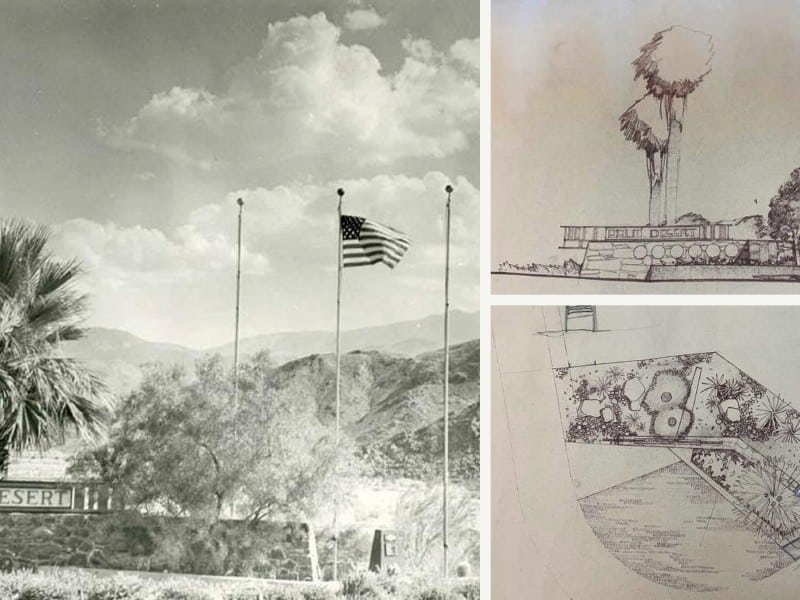
Palm Springs preservation group steps in to help revive a piece of Palm Desert history
The Palm Springs Preservation Foundation has offered to fund conceptual design work for a recreation of a historic Palm Desert entry sign designed by noted desert architect William F. Cody.
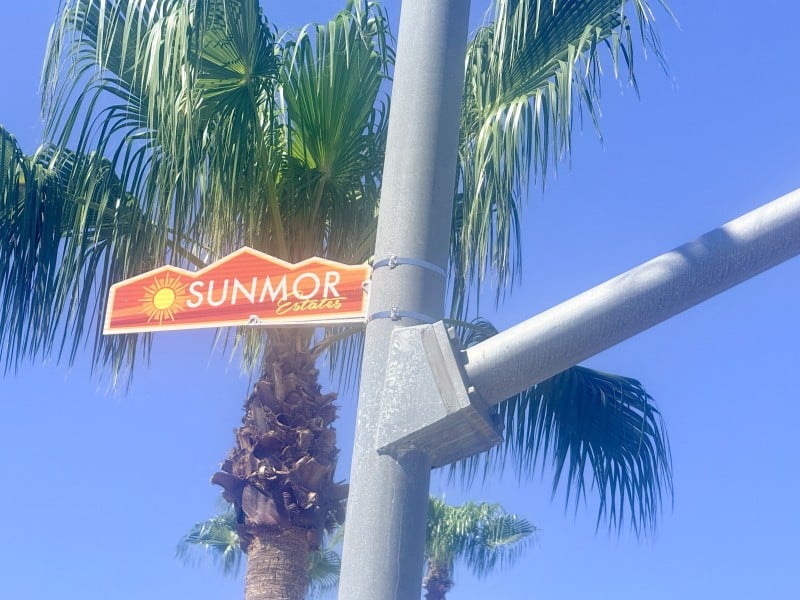
Nearly 1,000 neighborhood signs now mark Palm Springs streets as program nears full coverage
Palm Springs neighborhoods are adding custom colors and logos to city intersections, backed by a Measure J grant and ONE-PS’s push for 100% citywide representation.

Local performance venues launching fall season built around participation
The Cultural Center, Palm Canyon Theatre and CVRep are preparing fall programs that range from film screenings and musicals to acting, singing and comedy-writing classes.