
Sticker shock at city-owned Tahquitz Creek courses sparks golfer backlash
Players warn they’ll take their business elsewhere, question the city’s cost analysis, and win Parks and Recreation Commission support for a new committee to give golfers a voice.
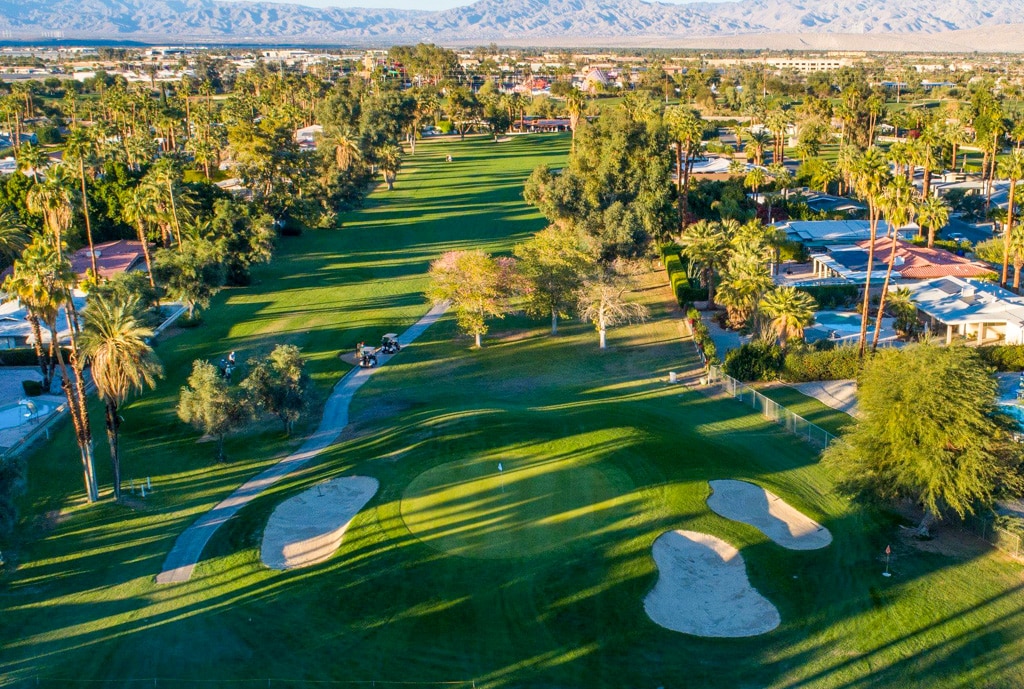
Dozens of golfers packed the Parks and Recreation Commission meeting Monday evening to take issue with fee increases of up to 73% at the city’s Tahquitz Creek golf courses, raise questions about the calculations used to justify the new rates, and urge commissioners to consider forming a committee to give golfers a voice in future decisions — an idea that received a favorable response from the commission.
The fee increases, which took effect after adoption by the City Council last month, will raise weekday green fees at the Resort Course from $58 to $95 during the October through December period, a 64% increase. Weekend and holiday rates during the peak December through May season will jump from $70 to $121, a 73% increase. In addition, the annual resident discount card required to access reduced rates will increase from $39 to $61, a 56% increase.
Local reporting and journalism you can count on.
Subscribe to The Palm Springs Post
The new fee structure, developed by consultant Willdan Financial Services, aims to achieve full cost recovery for city services rather than subsidizing them through the general fund. City officials said the increases reflect nationwide inflation and personnel cost increases that have occurred since the last fee study was conducted six years ago.
Salaries and benefits have increased significantly during that time, directly contributing to the need for full cost recovery. The fee study included a cost-of-service review that established a clearer, more flexible pricing range with seasonal rates and group discounts while meeting rising demand and improving cost recovery.
City Manager Scott Stiles noted at the September City Council meeting that updating fees every five years is recommended by California code and helps prevent dramatic increases that can occur when fees fall behind actual costs. Without the fee increases, the general fund would have to subsidize services that really only benefit one person or one small group, officials said.
Golfers who addressed the commission Monday said the changes would make public play less accessible, with Jacque Bowman, president of the Tahquitz Creek Women’s Golf Club, telling commissioners the increases are unacceptable for public golfers who cannot afford private country club memberships.
“We are not members of private country clubs,” Bowman said. “We can’t afford it.”
Bowman compared the new rates to those in surrounding cities and said Palm Springs appears to be drifting too far from affordability. She noted that residents in La Quinta pay $50 annually for a card that allows them to play Silver Rock for $49. Residents of Indian Wells and Palm Desert also receive deep discounts to play at courses in those cities.
“I think that somehow we lost some balance,” Bowman said.
Questions about the fee study also emerged. One speaker suggested consultants may have incorrectly included debt service in their analysis, saying she reviewed the city budget and found debt service costs that begin in fiscal year 2024-25 and continue through 2026-27.
“If the consultants included that in their analysis, and that drove up the cost and full cost analysis, that’s just wrong,” she said. She requested that someone review whether the consultants made an error in their calculations.
Others warned of the economic consequences, arguing that golfers will simply take their business elsewhere. One speaker said members of the men’s club were already discussing moving one day of play.
“So 140 players, you won’t be getting any for that day if we do,” the speaker said. Another, representing a club with approximately 150 members, said players may reduce their twice-weekly play to once a week or move to other courses they can play for half the price.
Maintenance concerns added to the frustration. Golfers cited a lack of sand in divots, mud and rocks in certain areas, and fairways that need work. One speaker said women golfers care for the course by filling divots with sand while playing.
In response to the concerns, the commission chair proposed forming an ad hoc committee to give the golf community a voice, similar to committees the commission has established for pickleball and the dog park.
The committee would include one representative from the men’s group, one from the women’s group and two or three commissioners. Two commissioners volunteered to serve on the golf ad hoc committee.
Authors


Related Articles

Palm Springs council candidates weigh in on Flock cameras, stalled hotels, more at forum
Five candidates for three seats also addressed traffic safety and the library renovation at a forum hosted by Organized Neighborhoods of Palm Springs.

Palm Springs airport study finds economic impact tops $2.55 billion
Nearly 97% of the airport’s overall economic impact stayed within the Coachella Valley, the study found, and more than half occurred within the city of Palm Springs.
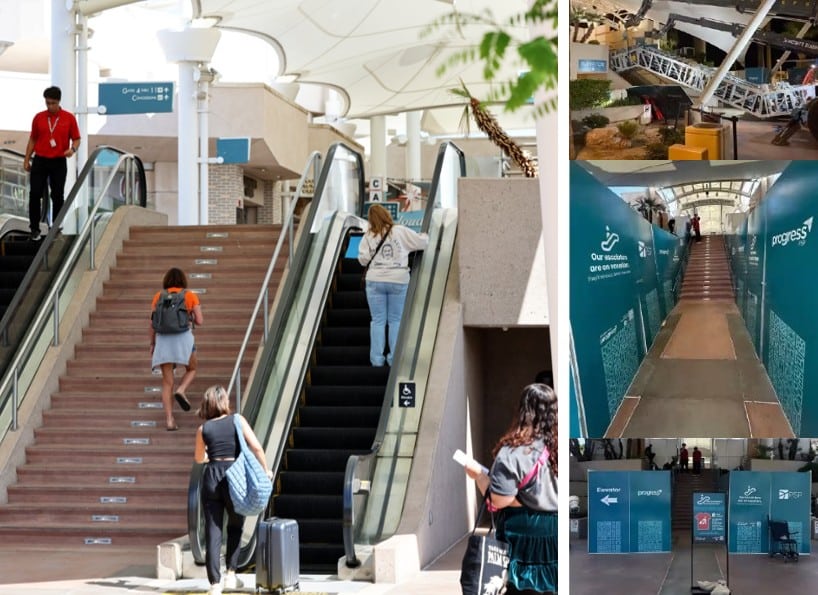
New Palm Springs airport escalators ready for final inspection, on track to open by month’s end
The Sonny Bono Concourse project aims to cut noise and improve reliability, with a ribbon-cutting celebration expected within weeks.