
Parks Department leadership unveils five-year master plan roadmap
Residents identified four major priorities during public listening sessions in 2024. The implementation plan centers on six main themes derived from the community input.
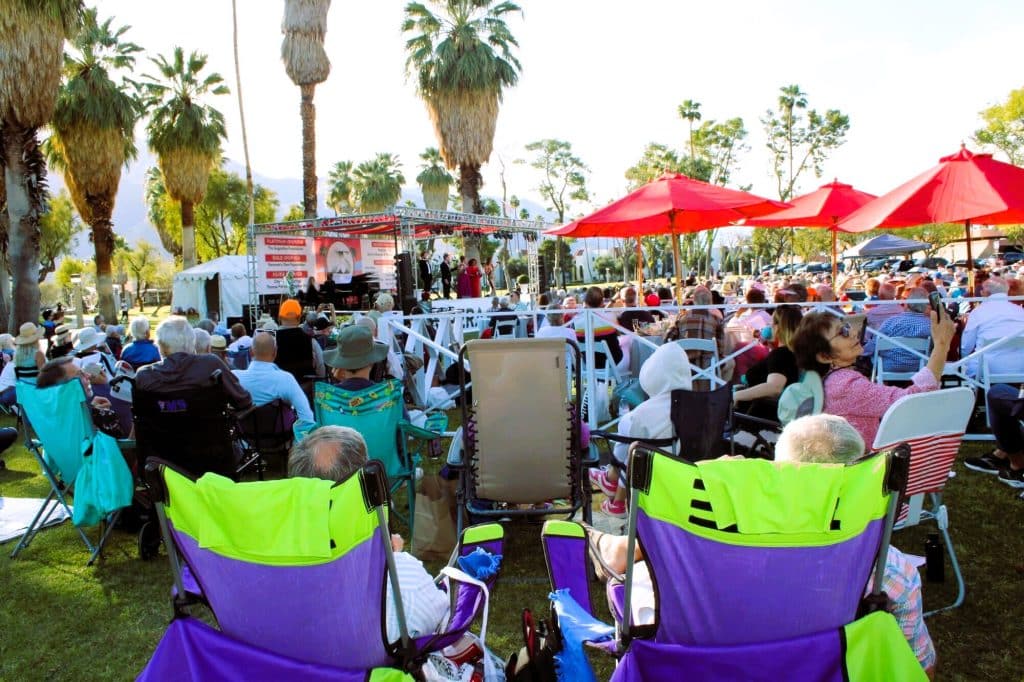
Five months after receiving feedback from the Palm Springs City Council, the head of the city’s Parks and Recreation Department presented a detailed timeline for implementing the department’s master plan over the next five years, outlining ambitious goals to enhance the city’s 312 acres of parkland and recreational facilities.
Parks and Recreation Director Nicholas Gonzalez told the Parks and Recreation Commission Monday that the department has developed a comprehensive schedule assigning specific tasks to be completed in each upcoming fiscal year, ensuring the master plan doesn’t “sit on the shelf.”
Local reporting and journalism you can count on.
Subscribe to The Palm Springs Post
The master plan was completed in 2024 after extensive community engagement involving over 700 residents through more than 15 different events. Gonzalez, who started as director in December 2024, presented the plan (available in a staff report here) to the City Council in February for discussion and feedback before developing the implementation timeline.
“Our hope is to not let that Master Plan sit on the shelf, to make sure that we’re constantly looking and referring to it to ensure that we’re keeping up to date with all the goals and that we’re accomplishing that over the next few years,” Gonzalez said.
The implementation plan centers on six main themes derived from the community input. Residents identified four major priorities: parks that are climate resilient, parks that serve multiple community functions beyond recreation, better maintained facilities with community investment, and more parks to ensure equitable access throughout the city.
The six implementation themes are: communicate the experience, connect people and places, keep it cool and climate resilient, renew the system, steward the future and expand the impact.
The “communicate the experience” goal focuses heavily on marketing and promotion, with plans to increase social media engagement, create a seasonal activity guide and launch a monthly newsletter. The department has already hired marketing consultants to enhance social media presence, gaining about 500 new followers recently.
Under “connecting people and places,” the department plans to increase promotion of the city’s trail system and help residents better understand how parks, trails, bike routes and facilities work together as a comprehensive recreation network.
Climate resilience efforts will focus on tree planting partnerships with the sustainability commission and organizing park cleanups. Water features emerged as a significant community priority during the master plan development, with residents requesting splash pads and water play areas for children during the hot summer months. However, planners had to balance these desires with water conservation requirements and maintenance challenges, ultimately recommending sustainable water features that provide cooling opportunities while managing resources responsibly.
The “renew the system” goal addresses ongoing maintenance challenges, with monthly park maintenance reports planned to track progress on facility improvements.
“Stewarding the future” involves developing policies and procedures while examining staffing models to ensure the department stays relevant. The department will track activity and attendance reports and work to increase revenue to help recover program costs, with a goal of reaching 20-25% cost recovery compared to the current 16%, following recommendations from peer city comparisons.
The “expand the impact” goal aims to increase contract class programs, boost youth program participation and track visitor numbers at all community centers and facilities.
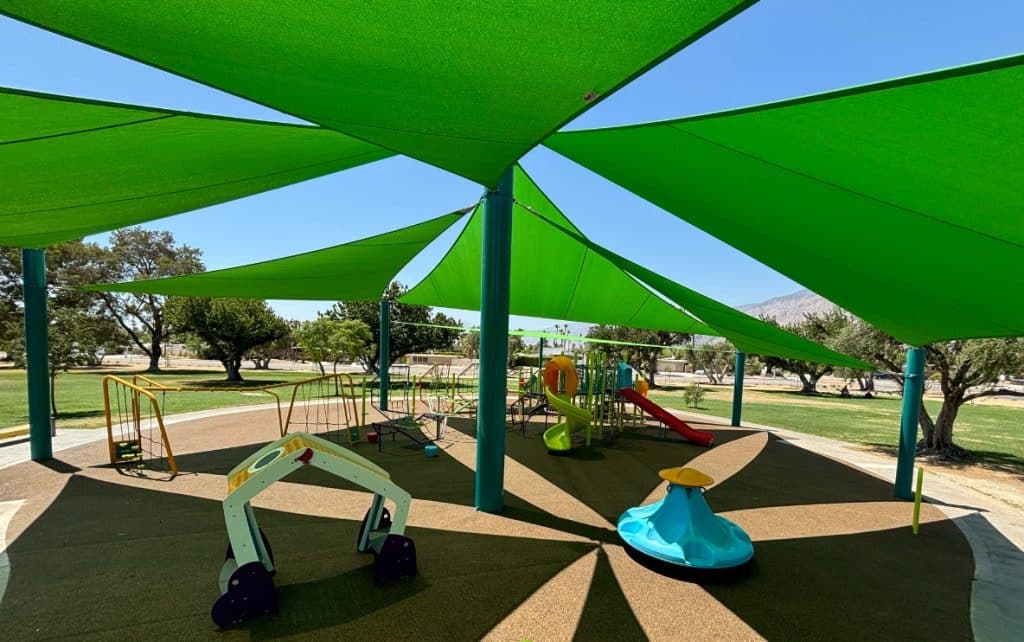
Gonzalez emphasized that the timeline allows for flexibility, noting that items scheduled for completion in 2030 might begin much earlier, with the completion date representing when the department hopes to finish multi-year projects.
The department plans to use performance measures to evaluate progress, a new requirement for all city departments. These will include tracking social media engagement, tree plantings, program offerings, attendance figures and revenue generation.
The master plan completion was highlighted as one of the department’s significant achievements over the past fiscal year, along with playground renovations, community meetings and the establishment of new programs like the Palm Springs Swim Club.
Gonzalez said the next year or two will focus on creating a baseline by improving data collection, marketing and promotion efforts. This will provide tools to better educate the community about available programs and establish clear metrics for future improvements.
The Parks and Recreation Commission will work with a Master Plan and Park Enhancements ad hoc committee to help ensure the department stays on track with implementation and advocates for necessary resources.
The department operates 11 parks, seven facilities including community centers and a swim center, 15 trail heads and numerous programs serving all age groups throughout the city.
Author

Related Articles
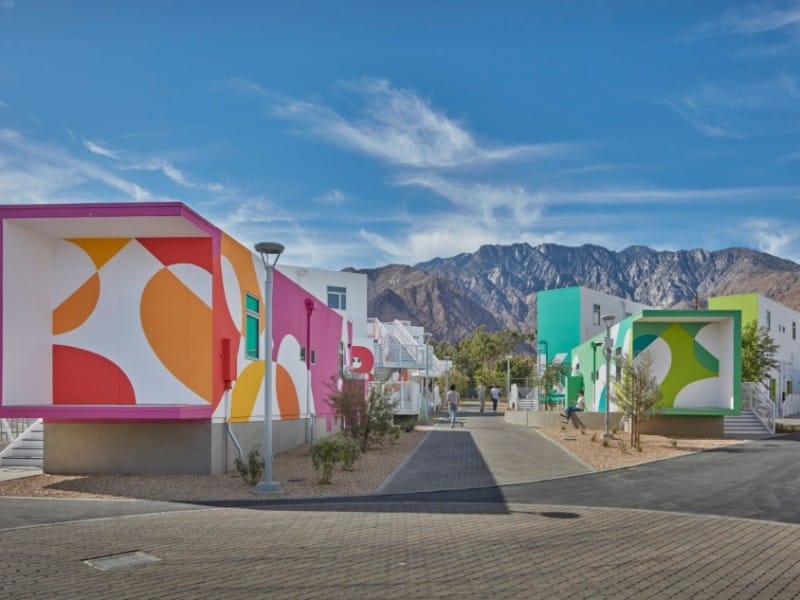
Palm Springs Homeless Navigation Center wins two national architecture awards
The American Institute of Architects honored the facility with a 2026 Architecture Award and a Housing Award in the Specialized Housing category.
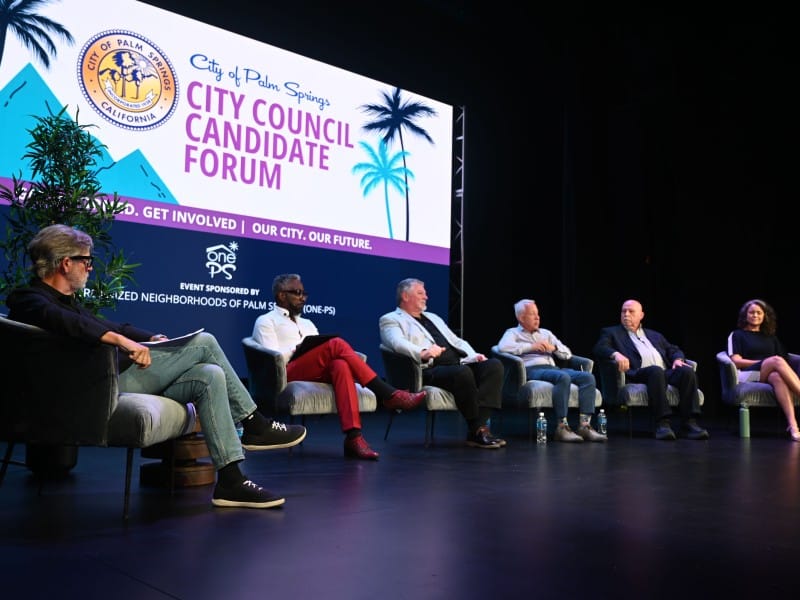
Palm Springs council candidates weigh in on Flock cameras, stalled hotels, more at forum
Five candidates for three seats also addressed traffic safety and the library renovation at a forum hosted by Organized Neighborhoods of Palm Springs.
Palm Springs airport study finds economic impact tops $2.55 billion
Nearly 97% of the airport’s overall economic impact stayed within the Coachella Valley, the study found, and more than half occurred within the city of Palm Springs.