
Palm Springs police step up enforcement of disabled parking spaces, including on private lots
Drivers who park illegally in reserved spaces face fines of $250 to $1,000 and possible towing, and the department is offering businesses help with required signage.
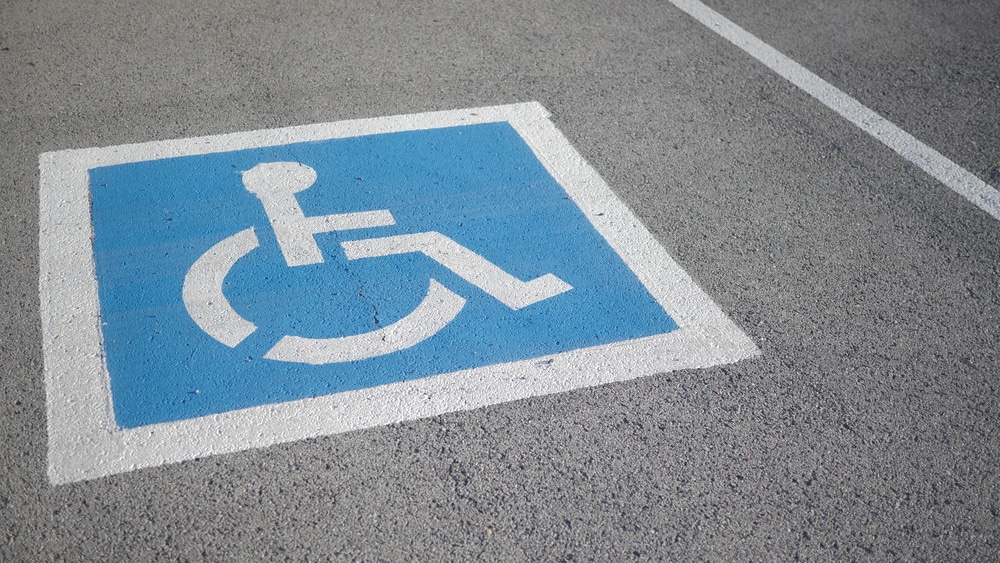
Palm Springs police will increase citations and, where the law allows, towing of vehicles parked illegally in spaces reserved for people with disabilities, including spaces in private parking lots, under an enforcement campaign the department announced last week.
The announcement follows a Palm Springs Human Rights Commission (HRC) discussion in which a subcommittee outlined options for curbing illegal parking in handicap spaces, particularly on private property.
Local reporting and journalism you can count on.
Subscribe to The Palm Springs Post
The commission’s Disability Access Subcommittee, led by Commissioner Malakai Strong, took up the issue after Strong described being repeatedly blocked in or out of his own parking space by vehicles without placards, both near his home and at stores such as Walmart.
Commissioners also raised the separate problem of placard misuse, such as family members using a relative’s placard when that person is not present. Commissioner Beverly Greer called that “almost impossible” to police.
In an email Sept. 18, Palm Springs Police Sgt. Jason Lamb said officers will conduct directed enforcement citywide on public streets and in both public and privately owned off-street parking facilities, according to the department.
The campaign relies on California Vehicle Code section 22507.8, which covers public property as well as privately owned and maintained off-street lots.
Under state law, only vehicles displaying a valid special identification license plate or a distinguishing placard may park in stalls designated for disabled persons or disabled veterans. Parking on a stall’s painted boundary lines or in the crosshatched access aisle next to it is also prohibited.
Violators are subject to citation, with fines for a criminal notice to appear ranging from $250 to $1,000 depending on prior offenses, the department said. Vehicles parked in violation may be towed at the owner’s expense.
Accessible stalls allow people with mobility limitations to reach businesses, medical offices, parks and homes safely, according to the department. When a stall or its access aisle is blocked, the department said, a person who depends on it may have to travel farther, park in an unsafe spot or skip the trip.
Lamb described such misuse as a barrier to full participation in community life rather than a minor inconvenience.
“Accessible parking stalls exist so that people with mobility limitations can reach businesses, medical offices, parks, and homes with dignity and safety,” he wrote. “When an unauthorized vehicle occupies a reserved space—or blocks the adjacent access aisle marked by crosshatched lines—a person who depends on that space may be forced to travel a greater distance, park unsafely, or forgo the trip altogether.”
Private lots have been a central issue in the commission’s discussions. Deputy City Manager Jeremy Hammond told the HRC earlier this month that the city needed property owners’ permission, along with additional signage at lot entrances and individual spaces, before it could cite or tow vehicles in lots such as those at apartment complexes, Home Depot and Ralphs.
Hammond also said LAZ Parking, the company the city subcontracts for parking enforcement, issues citations only on public property.
The police department is now encouraging private property owners and business operators to post the signage required by state law so reserved spaces can be enforced and unauthorized vehicles can be lawfully towed.
Business owners and property managers seeking guidance on accessible-parking and tow-away signs can contact Lamb at 760-323-8105. The department is also asking residents and visitors to leave the spaces for the people they were created to serve.
Author

Related Articles
Palm Springs police to launch free wellness call program next month
PSPD Connect, backed by a city councilmember, the police chief and the Blue Zones Project, will offer regular phone check-ins to residents who may benefit from added support.
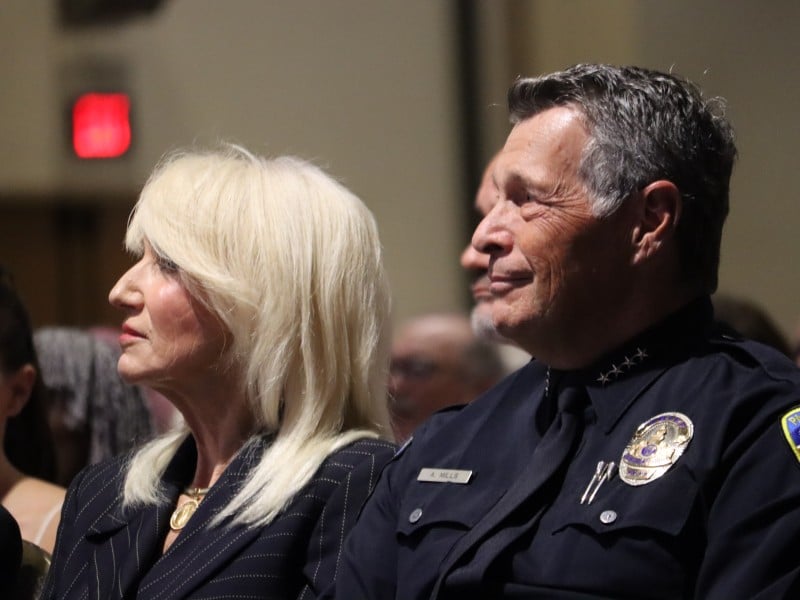
Palm Springs bids emotional farewell to Chief Andy Mills, honors wife Cathy as new chief steps in
Hundreds packed the Palm Springs Convention Center Thursday evening for a retirement send-off that doubled as a tribute to Cathy Mills and a first public moment for incoming Chief Kyle Stjerne.
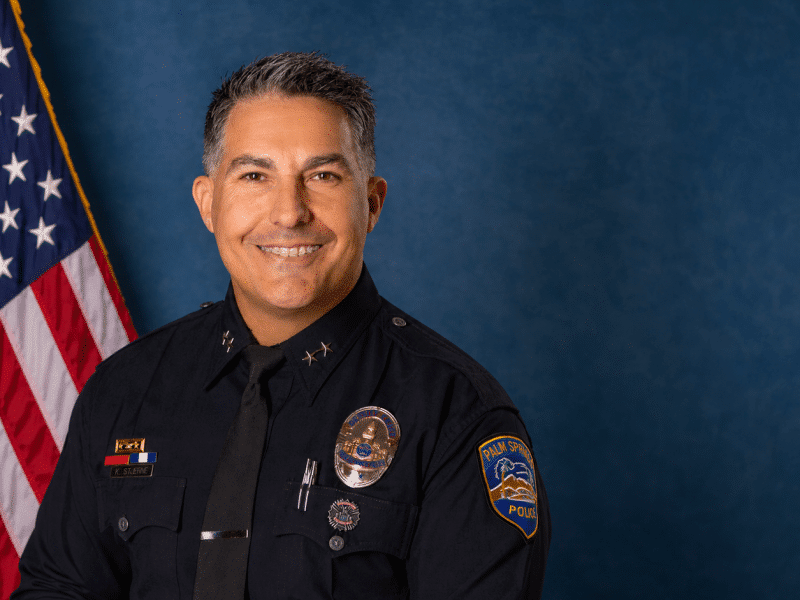
Palm Springs names deputy chief Stjerne as next police chief
Deputy Chief Kyle Stjerne will take over Sept. 6, succeeding retiring Chief Andy Mills.