
Palm Springs moves toward energy efficiency ‘reach codes,’ pilot program for low-income homeowners
Reach codes allow cities and counties to set energy efficiency standards that go beyond the baseline requirements established by the state.
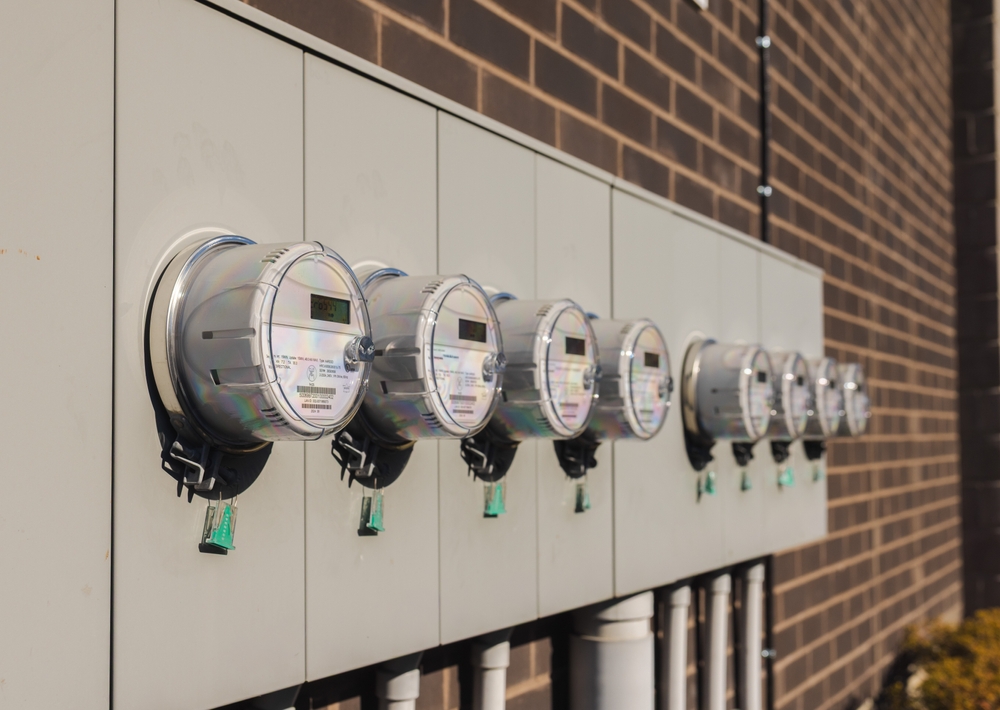
Palm Springs is pushing forward on an effort to adopt energy efficiency building standards that has been in the works since 2021, with a new staff fellow driving progress on both the standards themselves and a companion program to help low-income residents afford the upgrades.
Xavina Walbert, a Civic Spark AmeriCorps fellow working with the city, presented an update to the Sustainability Commission at its last monthly meeting, outlining the history of the effort and its current status.
Local reporting and journalism you can count on.
Subscribe to The Palm Springs Post
“Reach codes” allow cities and counties to set energy efficiency standards that go beyond the baseline requirements established by the state. California operates on a three-year code cycle, and 24 cities and counties have adopted reach codes in the current 2025 cycle, Walbert said.
Palm Springs began working on reach codes in 2021 under a former sustainability director. A first draft was presented to the Sustainability Commission in 2022, and a Civic Spark fellow began researching other cities’ programs in 2023.
In 2025, the effort hit two obstacles. Staff determined the reach codes process was taking too long and shifted focus toward developing a complementary pilot program. Around the same time, Assembly Bill 130 effectively paused reach code adoptions statewide from October 2025 through June 2031.
However, Palm Springs may still proceed because the city included language in its governing documents — including its general plan and climate action plan — indicating that energy efficiency measures would be implemented regardless of code requirements, Walbert said. The most recent draft of the reach code ordinance was completed in March and has already received feedback from the state.
Because reach codes would not apply to low-income residents, the city developed a pilot program to fill that equity gap by providing financial assistance through rebates. The city has approximately $1 million in funding from various sources available for the program.
The pilot uses a points-based structure in which homeowners undertaking remodels earn points for specific energy efficiency upgrades — such as a heat pump water heater, which carries 12 points — and must reach a target score to comply.
Next steps for the pilot program include identifying general contractors through a request for proposals process, updating the list of available incentives, and developing a program application form, Walbert said.
During discussion, one commissioner raised concerns about whether homeowners might avoid the permit process due to cost and complexity, and suggested the city develop resources to help residents navigate it.
Walbert said a user-friendly guide for residents had been started by her predecessor but not completed, and she would look to finish it. She said she would also bring the recommendation for more hands-on customer service support to the building department.
The reach code ordinance will eventually reach the City Council. A commissioner noted the program is still being fine-tuned, but said the goal is to maximize energy efficiency and deliver long-term benefits to residents.
Authors


Related Articles

Palm Springs announces two changes to city leadership team
Airport executive director heading to Sacramento as city also welcomes new sustainability director.
City faces steep water cuts, turf ban deadlines under new state and agency mandates
The city must certify decorative lawns by June 30 and end potable irrigation by January 2027, part of a regional push to cut water use nearly 40% by 2040.
Palm Springs subcommittee tackles bike lanes, parking, maps and a key CV Link connection
City has no comprehensive record of bike rack locations, a key intersection redesign faces a $300K price tag, and a trail link to CV Link awaits a private land sale.