
City faces steep water cuts, turf ban deadlines under new state and agency mandates
The city must certify decorative lawns by June 30 and end potable irrigation by January 2027, part of a regional push to cut water use nearly 40% by 2040.
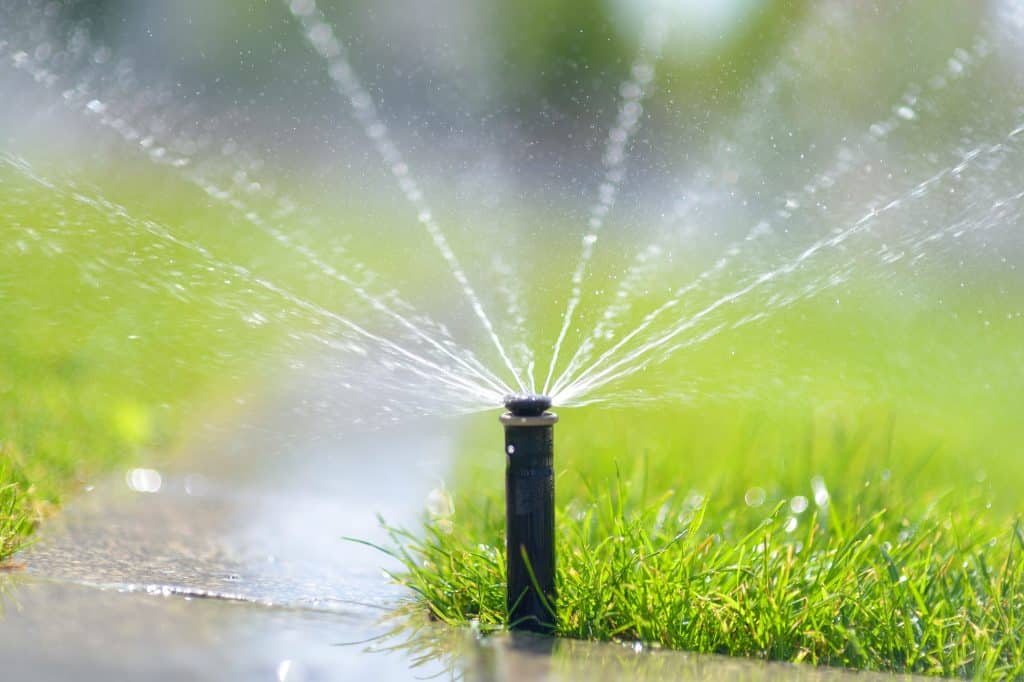
The city of Palm Springs must map all of its decorative lawns by June 30, stop irrigating them with drinking water by January 2027, and ultimately cut total water consumption nearly in half by 2040 — requirements that water officials say will demand sweeping changes across homes, businesses and city parks alike.
Desert Water Agency’s turf removal program, which Palm Springs has helped fund, eliminated 490,057 square feet of grass in fiscal year 2022-23, saving nearly 33 million gallons of water per year. In the following two-year period, the program expanded to 889,482 square feet, saving approximately 60 million gallons annually and diverting 55 tons of CO₂ emissions.
Local reporting and journalism you can count on.
Subscribe to The Palm Springs Post
But grass removal is only part of what lies ahead. Under DWA’s Ordinance 80 and state Assembly Bill 1572, the city must self-certify which of its roughly 75 city-owned properties contain “non-functional turf” — decorative grass with no regular recreational use — by June 30, ahead of a Jan. 1, 2027 deadline to stop using potable water on that turf entirely.
“That self-certification form is essentially going to become our basis for enforcement,” DWA representative Clark Elliott told the sustainability commission Tuesday.
The broader mandate stems from a state regulation requiring DWA to reduce total water demand 40 percent by 2040 compared to today’s levels — one of the steepest targets in California, a consequence of the region’s high per-capita water use.
“You’re talking about almost half of what we use today,” Elliott said. “That is a lot of water to save, and it will not be easy.”
Turf removal is projected to account for roughly one-third of required savings; the rest will come from rate structures, device rebates, upgraded metering infrastructure and commercial outreach.
Penalties for violating Ordinance 80 escalate quickly: fines reach $2,000 per violation by the sixth infraction, with re-inspection authorized every three days. DWA says it will work with the city if good-faith compliance efforts are underway. HOAs have shown strong interest; commercial properties remain largely unaware of the new requirements.
The Palm Springs City Council is expected to receive a DWA presentation in May.
Author

Related Articles
City plans to study downtown walk buttons, Belardo bike markings in safety plan
Members of the Active Transportation Subcommittee this week urged faster action on pedestrian crossings and shared-lane confusion.
CV Link path under Ramon Road to close fully for two-year bridge reconstruction
City staff say no part of the path can stay open while crews dig 23 feet down while a preferred detour along Sarah Street in Cathedral City is stalled over property access.
City to host listening sessions on heat and shade mitigation plan this fall
The $400,000 state-funded plan will target vulnerable residents who walk, bike or take transit amid rising heat-related illness.