
Palm Springs is tightening the rules for public art donations to avoid unexpected costs and maintenance issues
A fresh framework requires art donors to provide proof of funding and meaningful community outreach before any new piece can join the public collection.
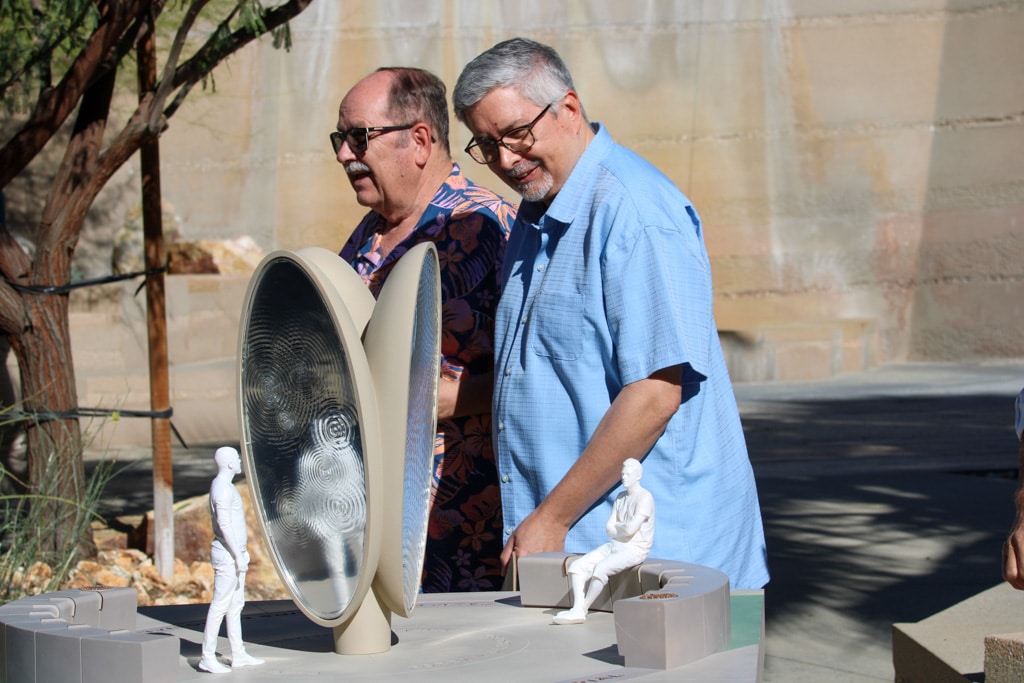
The Palm Springs Public Arts Commission voted this month to approve a new ordinance section establishing formal rules for how outside groups can donate monuments, memorials, and commemorative artworks to the city, requiring donors to demonstrate proof of funding, a maintenance endowment, and meaningful community outreach before any piece can be accepted into the public collection.
The commission approved the commemorative collection ordinance with amendments at its May 7 meeting. City Council approval is still required before any piece formally enters the commemorative collection.
Local reporting and journalism you can count on.
Subscribe to The Palm Springs Post
Chair Gary Armstrong said the new rules were prompted by three incidents over the past year and a half that exposed gaps in the commission’s existing framework.
“When we accepted the commemorative plaques for Morris Kight and the LGBTQ+ veterans, which are now in Frances Stevens Park, we didn’t have ordinances written as a way to accept them and to maintain them,” Armstrong said. “How do we take care of them? How do we display them? None of that worked within our ordinances as they were written.”
Armstrong also cited the AIDS Memorial project, which initially came to the commission without adequate community outreach, and a separate case for an unspecified piece of art in which the city ended up unexpectedly covering installation costs.
“They didn’t budget for installation, it was that simple,” Armstrong said. “You choose that location, then all of a sudden you find out from public works you’re going to need a crane and you’re going to have to drive through the park to do the installation, and there are things out of your control that you didn’t plan for.”
Under the approved language, donors must provide proof of funding for fabrication and installation, along with funds allocated for a maintenance endowment. The commission will review and approve project budgets supported by contractor estimates, rather than accepting a donor’s cost projection alone.
Commissioner Lauri Kibby, who pressed for changes to the draft language, argued that requiring contractor-supported budgets was essential to prevent cost surprises.
“They need to have a budget that’s been estimated by qualified contractors to do the work — it’s a supported budget,” Kibby said. “They can tell us their costs are $75,000 and their costs are really $150,000.”
Kibby also raised concerns about the ordinance’s inflexibility, warning that language using “shall” and “must” left the commission no room to make allowances in unusual circumstances.
“There is never a ‘never’ or ‘always’,” Kibby said.
Armstrong acknowledged the concern but said having written rules was preferable to the previous situation, in which the absence of any ordinance created its own problems.
Armstrong also drew a comparison to San Francisco’s ordinance, which requires donors to fund a full maintenance endowment and reimburse the city for staff time. He said Palm Springs would not go that far but used it to illustrate that requiring financial accountability from donors is not unusual.
The vote is considered an interim step. The commemorative collection section will be incorporated into a broader ordinance overhaul that remains in progress.
Author

Related Articles

Greater Palm Springs Pride names Aubrey O’Day, The Cowgays as 2026 headliners
The free, three-stage festival marks its 40th anniversary Nov. 6-8 in downtown Palm Springs.
Palm Springs LGBTQ+ book festival announces full lineup, adds Ty Herndon as headliner
Pride on the Page’s 5th annual event is free this year for the first time, with Grammy-nominated country singer Ty Herndon discussing his memoir at the evening program on Nov. 14.
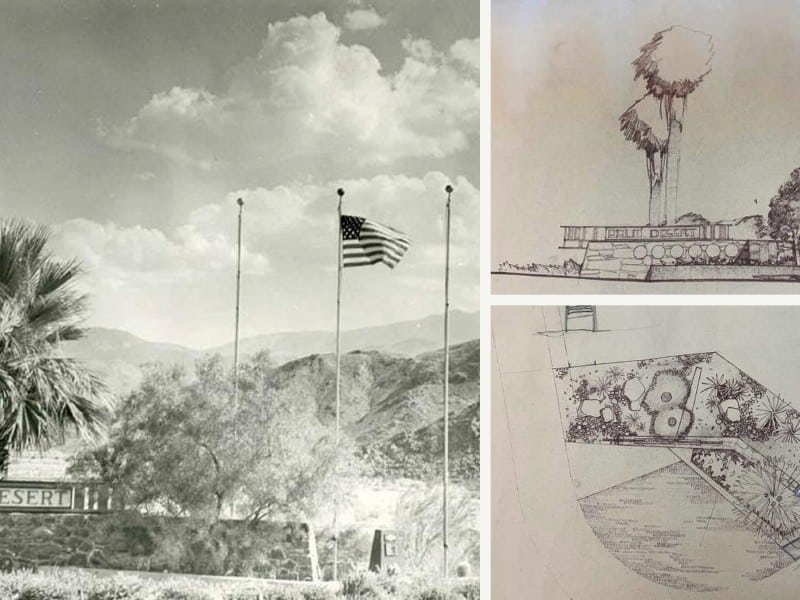
Palm Springs preservation group steps in to help revive a piece of Palm Desert history
The Palm Springs Preservation Foundation has offered to fund conceptual design work for a recreation of a historic Palm Desert entry sign designed by noted desert architect William F. Cody.