
Palm Springs puts street-safety plan out to bid as federal funding dries up
The city is seeking a consultant to map out pedestrian, bicycle and traffic-calming improvements, but officials say new funding sources will be needed to carry out the recommendations.
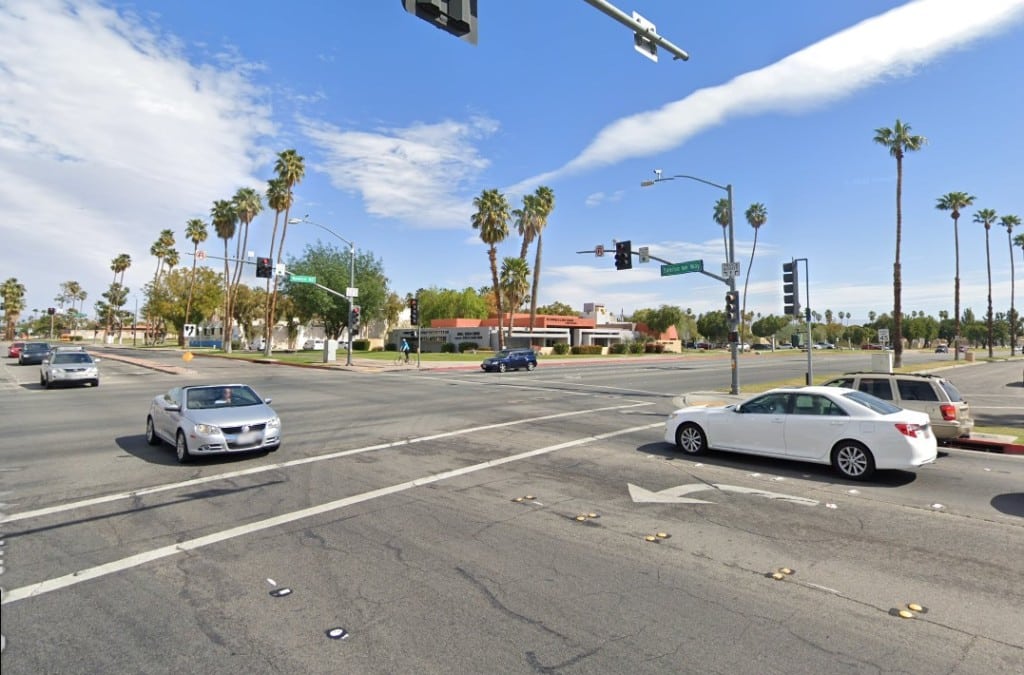
The city of Palm Springs has put its long-planned pedestrian and bicycle safety plan out to bid, even as officials confirmed the federal grant program that helped fund such efforts has expired.
Sustainability Director Jasmine Fields told the city’s Active Transportation Subcommittee Monday that the plan, now formally called the Safe Streets for All safety action plan, went out to bid and that proposals are due soon.
Local reporting and journalism you can count on.
Subscribe to The Palm Springs Post
The published Request For Proposals (RFP) calls for a consultant to develop a citywide street safety plan, update Palm Springs’ traffic-calming program and identify gaps in existing pedestrian, bicycle and transportation policies.
The final work would include prioritized safety projects with cost estimates, mapping data, public outreach materials and a toolkit for future projects, while positioning the city to compete for state and federal safety grants.
The plan was previously known as The Palm Springs Pedestrian Plan, but the name was updated because the effort covers more than walking and biking. “It’s going to be a safety action plan focused on a bit more than pedestrians and bikes as well,” Fields said.
The plan is tied to the Safe Streets for All program, a five-year federal funding initiative created under the federal infrastructure law. However, Fields said, “That funding stream did end at the end of May.”
With the federal funding stream that historically supported such plans no longer available, Fields said the city and other municipalities will need to identify new funding sources to implement any recommendations that come out of the plan once it is adopted.
“We’ll just need to better understand the federal landscape and what grants we can apply for for implementation going forward,” she said.
In other news
The subcommittee also reviewed a proposal to install 12 new bike racks at three trailhead locations, at a total estimated cost of about $40,000 — roughly $10,000 for the racks themselves and up to $30,000 for concrete footers required for installation.
One commissioner questioned the cost after another member found bike racks available online for a small fraction of that price, and Fields said she would follow up with the city’s Public Works Department, which selected the rack style and installation method, about possible cost reductions.
The proposal is expected to go before the full Sustainability Commission later this month.
Fields also told the subcommittee that the city’s bicycle map has been updated to align more closely with California vehicle code, including rules on sidewalk riding, bike lights and reflectors. She said the changes were aimed partly at tourists who may not be familiar with state bicycle laws, and that the map now includes QR codes linking to CV Link route maps and the city’s sustainability bike page.
A consultant is finalizing edits and printed copies are expected within two to three weeks.
Separately, commissioners raised concerns about public confusion over e-bike classifications and rules, particularly among tourists who rent electric bikes without understanding local regulations.
Fields said the city needs to improve public education and outreach on active transportation rules and said the topic could be added to a future agenda.
Author

Related Articles
City plans to study downtown walk buttons, Belardo bike markings in safety plan
Members of the Active Transportation Subcommittee this week urged faster action on pedestrian crossings and shared-lane confusion.
CV Link path under Ramon Road to close fully for two-year bridge reconstruction
City staff say no part of the path can stay open while crews dig 23 feet down while a preferred detour along Sarah Street in Cathedral City is stalled over property access.
City to host listening sessions on heat and shade mitigation plan this fall
The $400,000 state-funded plan will target vulnerable residents who walk, bike or take transit amid rising heat-related illness.