
Palm Springs council wrestles with elected mayor proposal as key questions remain unresolved
Supporters have revised their plan to make a directly elected mayor a non-voting council member, but legal and procedural uncertainties persist.
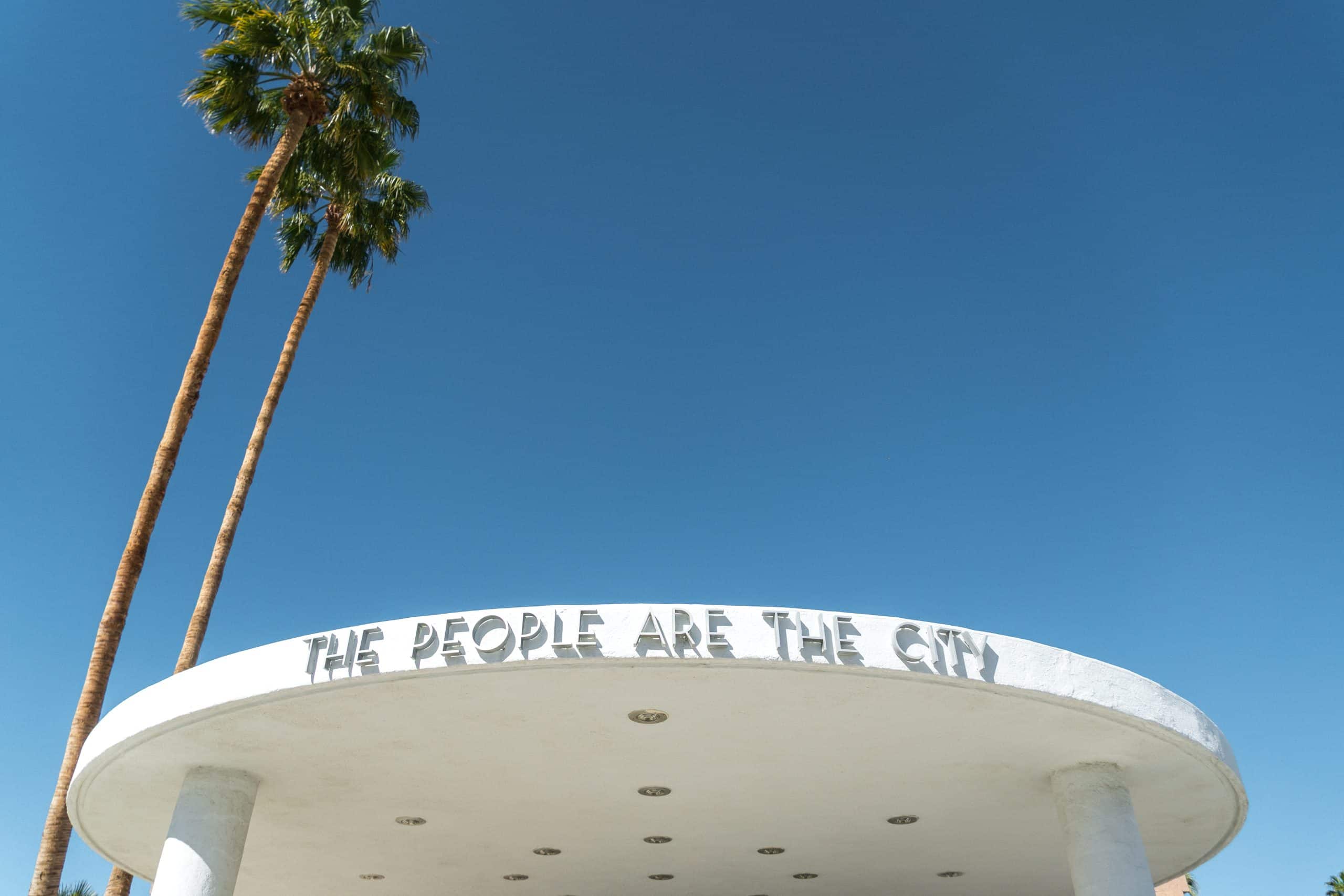
The future of the mayoral position in Palm Springs on the city council’s agenda again on Wednesday, where it likely will stay in coming months as the city grapples with how to handle a proposed ballot initiative that would create a directly elected mayor position.
In 2018, Palm Springs moved from an at-large city council system — where all voters chose all councilmembers — to district-based elections following a legal threat under the California Voting Rights Act. That change also converted the mayor’s role into a rotational system, with each district’s councilmember serving one-year terms as mayor.
Local reporting and journalism you can count on.
Subscribe to The Palm Springs Post
Now, a group of Palm Springs residents is pushing to return to a directly elected mayor. Citizens for an Elected Mayor plans to begin circulating petitions for a ballot measure that would let voters choose the mayor directly. Supporters say a directly elected mayor serving a multi-year term could make more progress on city initiatives and build deeper ties with federal and state officials.
At the previous council meeting, several residents voiced opposition, arguing the proposal could undermine civil rights gains made through district elections and expose the city to litigation. The council also appointed members Grace Garner and Ron deHarte to lead a subcommittee on the issue. The two are developing a working group of Palm Springs residents to study potential changes to the mayor’s role and guide public engagement.
The council continued that discussion Wednesday.
Rich Gordon, chair of Citizens for an Elected Mayor, said during public comment that the group had listened to earlier concerns and revised its proposal: the directly elected mayor would be a non-voting member of the council, so that each district’s representative voice would not be diluted in city decision-making.
City Attorney Jeff Ballinger said a non-voting mayor would likely reduce the city’s exposure to litigation under the California Voting Rights Act. He pointed to Bakersfield and Long Beach as California cities that currently use this model.
“They’re kind of the primary advocate, or policy advocate for the city. They run the council meetings in those two cities. They also do have some additional powers,” Ballinger said.
In Bakersfield, the mayor can vote in the event of a tie. In Long Beach, the mayor does not normally vote but can veto measures passed by the council, which can override that veto with a two-thirds vote.
Ballinger said the language in the Palm Springs group’s filings “establishes the directly elected mayor as kind of the spokesperson of the city, and kind of helps prioritize legislative agendas as well as other traditional functions that the mayor, even under a rotating system, handles, in terms of ceremonial ribbon cuttings and whatnot.”
He also likened the role to a “bully pulpit” position similar to the presidency — one where the mayor could take positions at odds with the rest of the council, with no provision for removal as exists under the rotating system.
“That sounds really dysfunctional,” said Garner.
“I guess I’m more confused now,” said Councilmember Jeffrey Bernstein at one point during the exchange.
A mayor with veto powers would likely create greater California Voting Rights Act exposure than a non-voting mayor without such powers, Ballinger said, because of that mayor’s ability to override the will of elected councilmembers representing their districts.
Councilmembers also raised questions about what would happen if the ballot measure included both a vote on whether to create a directly elected mayor and a concurrent vote to select that mayor — in effect asking residents to vote for a position that would not yet exist. The scenario raises equity concerns over who would run for an unauthorized office, and questions about whether the timeline would give the city adequate opportunity to structure the new position.
The council discussed whether to enact an ordinance barring a mayoral election until after a ballot measure passed, but took no action Wednesday.
Before proponents can begin collecting signatures to qualify the measure, the city attorney must prepare an official ballot title and summary. Ballinger said the city had previously notified the group of several deficiencies in their initial notice of intent and request for that language. As of Wednesday evening, the group had not submitted the revised documents the city requested.
Author

Related Articles
Palm Springs Measure J fund closes fiscal year with $2.1 million surplus
Sales tax revenue beat projections by about $800,000 as investment income also topped budget, though officials say heavy capital spending will sharply draw down the fund next year.
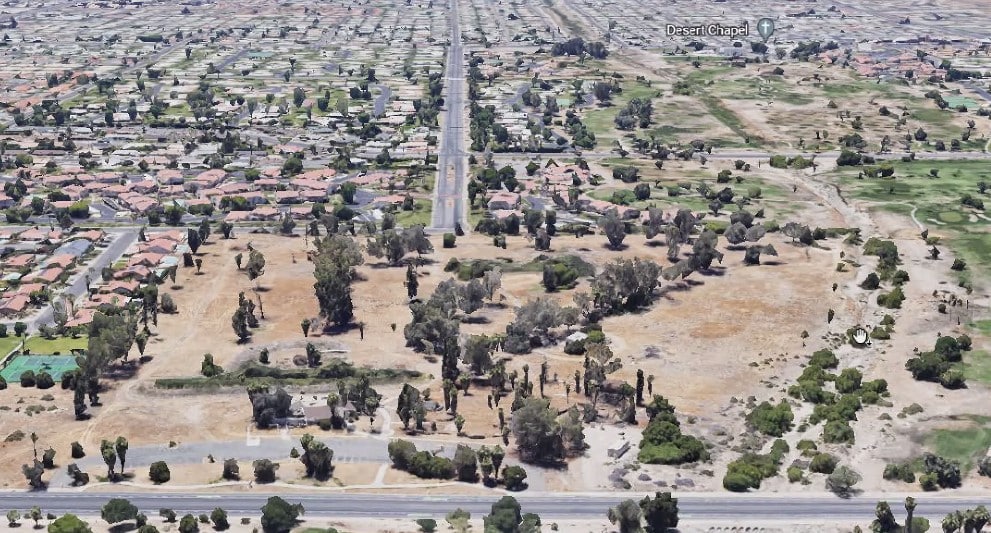
Planning Commission to weigh golf course-to-housing rezoning, with strings attached
Staff wants a General Plan Amendment for the closed Bel Air Greens golf course to take effect only alongside a full development plan — a compromise commissioners first floated in 2022.

Panorama Road hillside home approved for major renovation, expansion
The Architectural Review Committee on Wednesday signed off on a nearly 2,000-square-foot addition, a new single driveway entry and desert-toned landscaping near the North Lykken Trailhead.