
Palm Springs battles recycling challenges as waste collection rises
The city is testing new waste sorting methods and hopes to demonstrate them at public events. It also plans to enhance staff training over the summer.

Palm Springs collected nearly 5,000 tons of organic waste last year while grappling with recycling contamination issues, particularly in vacation rentals and condominiums.
The city’s Sustainability Commission Waste Reduction Subcommittee heard details of the issues at its regular meeting last week, but also learned about new strategies to improve recycling practices across the community.
Local reporting and journalism you can count on.
Subscribe to The Palm Springs Post
“Overall, I think we are doing good,” said Liz Hernandez, the environmental coordinator at Palm Springs Disposal Services (PSDS). “Over 4,959 tons of organic waste was collected last year. This year we’re going for more.”
Public spaces present significant recycling obstacles, according to Sustainability Director Lindsey-Paige McCloy. The city has resorted to a unique solution due to contamination.
“They spent so much time sorting out the recycling or sorting trash out from the recycling bins that they just started labelling them all trash bins because it really was just so contaminated,” McCloy said.
The city is testing new waste sorting methods and hopes to demonstrate them at public events. It also plans to enhance staff training over the summer.
Community involvement shows promise, with 40 participants, including high school students, joining a recent cleanup event. Another cleanup is scheduled for District 2 in March. A date has not yet been announced.
The Park Ramon neighborhood has emerged as a model for effective recycling practices, according to Hernandez.
“They put signage in the enclosures, they’ve moved stuff around, they’ve added recycling and we’re still waiting to add organics,” she said. “They are amazing now.”
The city also plans to partner with the fire department on a campaign to help residents learn how to properly remove hazardous materials, such as chemicals and batteries, from their homes.
“We’re going to work with fire to do a campaign around really encouraging people to get that stuff out of their garages,” McCloy said.
Author

Related Articles
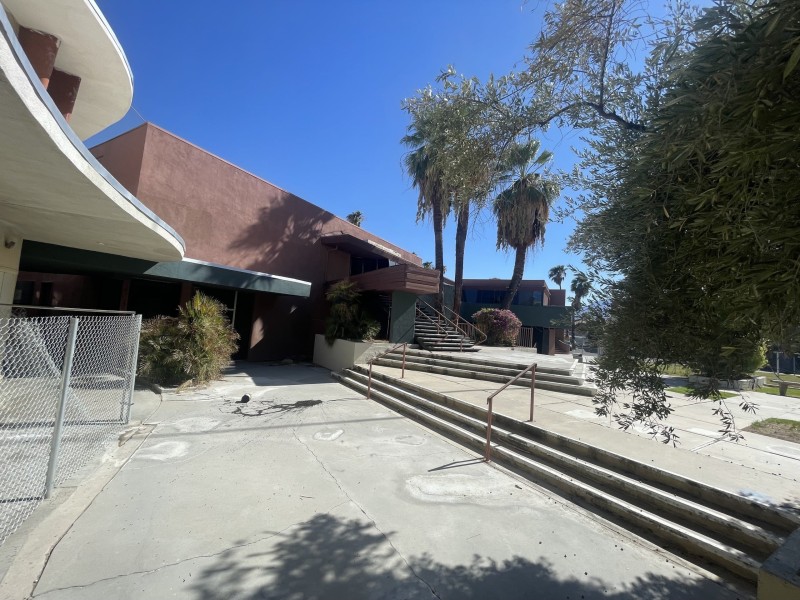
City eying Town & Country Center as part of new Fire Station 1 plans, preservation group says
Palm Springs is negotiating to acquire portions of the 1948 landmark for the project, which could also resolve a parking dispute that has complicated plans to modernize the current station.
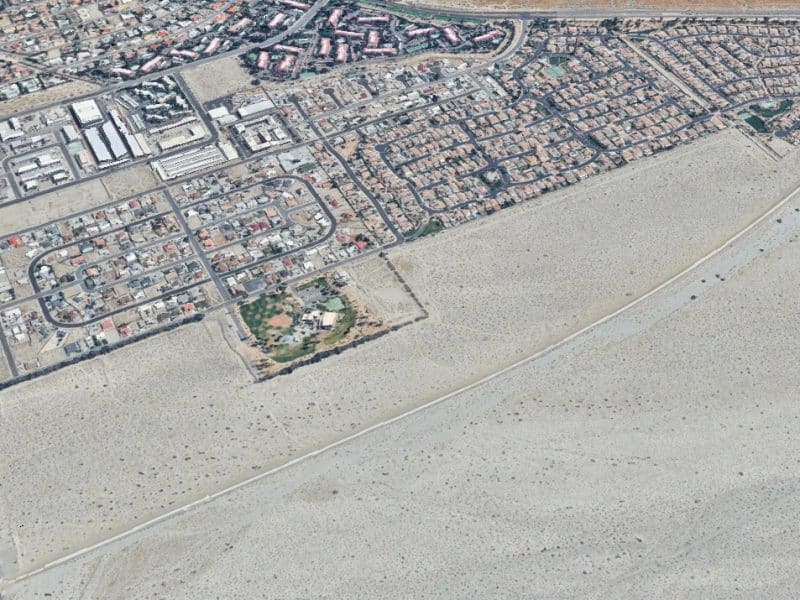
After decades of promises, northern Palm Springs redevelopment plan heading toward a vote
The Tramview Heights Specific Plan would guide development of 510 acres over 20 years, replacing a failed earlier effort.

Palm Springs announces two changes to city leadership team
Airport executive director heading to Sacramento as city also welcomes new sustainability director.