
Palm Springs advances short-term rental permit display requirement; audit gaps discussed
Finance Director Kristopher Mooney said current staffing allows only 150 to 200 smaller property audits per year, leaving some rentals unreviewed for five years or more.

The Palm Springs City Council on Wednesday introduced the first reading of an ordinance that would require short-term rental platforms to display city-issued permit numbers in every listing, as the finance director disclosed that with hundreds of permitted vacation rentals and a limited audit staff, some properties may go five or more years between compliance reviews.
The proposed amendments to the city municipal code would incorporate California’s Short-Term Rental Facilitator Act of 2025 — Senate Bill 346 — which authorizes cities to compel platforms such as Airbnb and VRBO to display local permit numbers in all short-term rental listings and to provide property addresses, assessor’s parcel numbers and listing URLs upon city request.
Local reporting and journalism you can count on.
Subscribe to The Palm Springs Post
According to a staff report reviewed by the council, the measure would also add a section to the municipal code and amend another section that governs appeals to the Administrative Appeals Board.
Palm Springs Director of Finance and Treasurer Kristopher Mooney told the council that his office, working with an outside consultant, audits large vacation rental agencies and hotels, while city staff handles smaller properties at a pace of 150 to 200 per year when fully staffed.
“Considering we do 150 to 200 of the smaller rentals a year, when we are fully staffed, it probably is minimum to five years to get through all of them,” Mooney said.
Councilmembers asked whether the city had considered contracting with outside consultants to accelerate the audit pace. Mooney said he would be willing to explore that option, but cautioned that fully outsourcing the smaller rental audits could carry costs that may not be favorable to the city.
Staff told the council the permit-display requirement under SB 346 would ease the burden on code enforcement officers, who currently must search platforms listing by listing to check for permit compliance. City staff said that without a legal requirement, platforms have largely declined to cooperate.
“In the past we have reached out to various rental platform agencies, including VRBO, and requested information, and they do not provide it,” a city staff member said. “We’ve had to issue subpoenas and we’ve had to work with our city attorney’s office to gain this information.”
Staff said SB 346 has already been adopted by several California cities, including Cathedral City and Los Angeles.
The ordinance would incorporate nine of 13 proposed modifications submitted by the stakeholder group Vacation Rental Owners and Neighbors (VRON). Staff declined to support four of the proposals, according to the staff report. Those include eliminating the requirement that all adult occupants sign a statement of rules and regulations, removing on-site posting requirements for rental certificates, expanding the Administrative Appeals Board’s discretion in adjudicating violations, and exempting bookings connected to declared emergencies from contract stay limits.
The proposed amendments would also extend the administrative appeals window from 10 days to 30 days, a change staff said gives permit holders time to file a public records request, gather evidence and submit a timely appeal.
A second reading is required before the ordinance can take effect. The staff report noted no fiscal impact and said any additional administrative workload would be absorbed within existing staff capacity.
Author

Related Articles
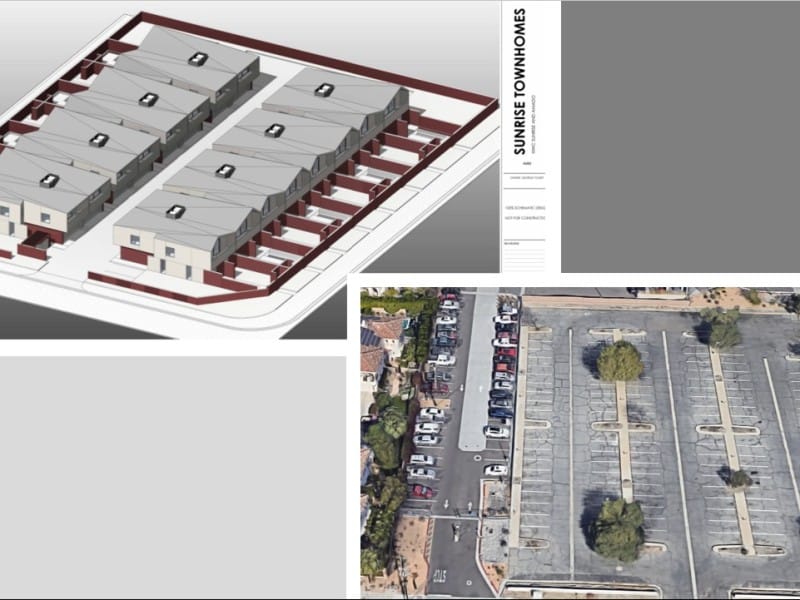
Planning Commission approves 16-unit townhome project at Sunrise Way and Amado Road after July delay
City staff noted that some of the commission’s earlier requests conflicted with state housing laws, though the developer did add a walkway so pool cleaners and landscapers can reach backyards.
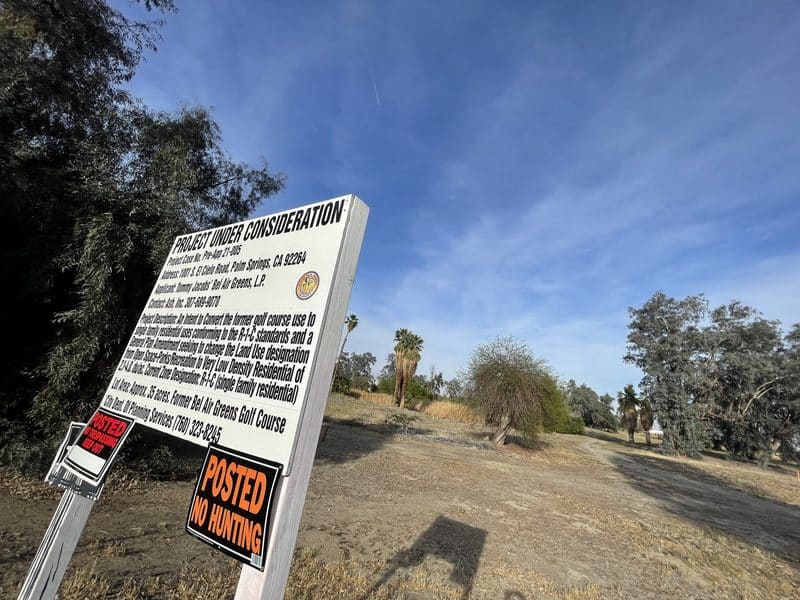
Planning Commission pulls Bel Air Greens housing plan from agenda after tribe acquires half the site
The property’s new tribal trust status means only part of the closed golf course would remain under city land-use review, commissioners learned Tuesday.
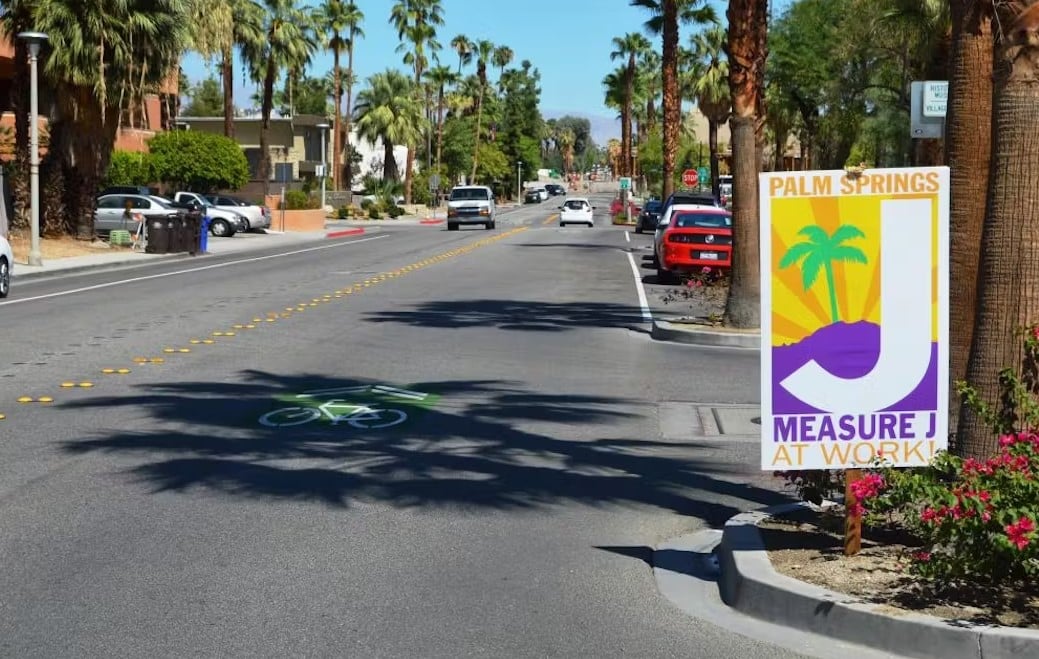
Palm Springs Measure J fund closes fiscal year with $2.1 million surplus
Sales tax revenue beat projections by about $800,000 as investment income also topped budget, though officials say heavy capital spending will sharply draw down the fund next year.