
Measure J projects gain momentum with nearly $13 million spent so far this fiscal year
Street paving, parks work and community grants are driving the total, Finance Director Kristopher Mooney told the Measure J Oversight Commission earlier this month.
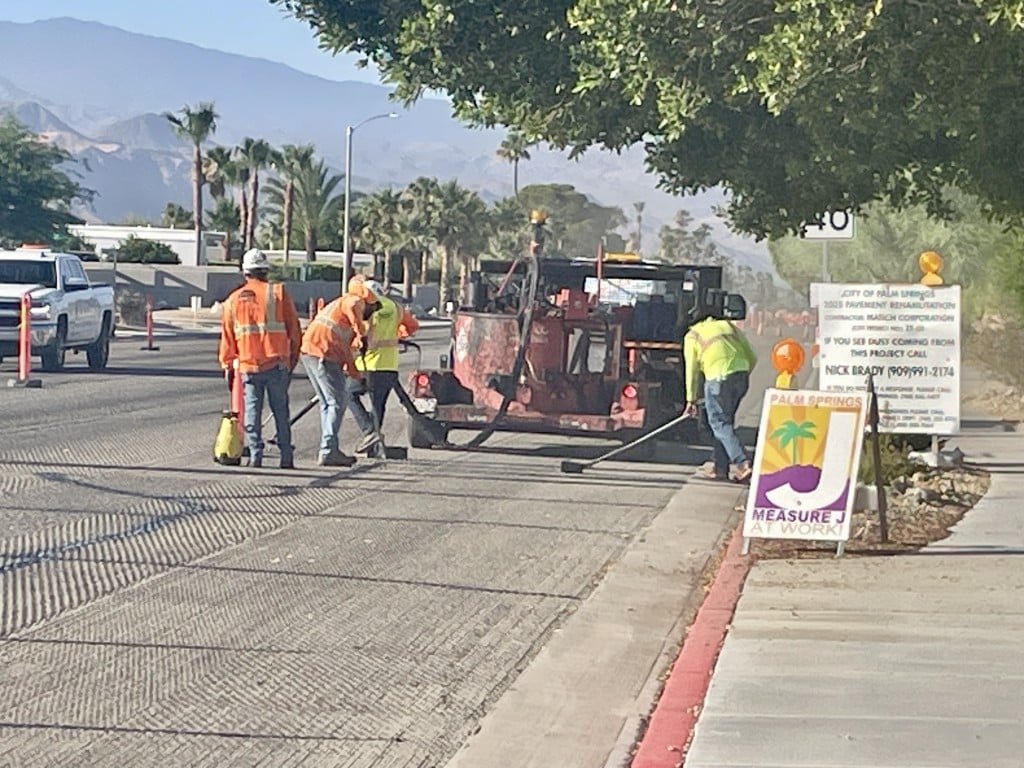
Palm Springs has spent $12.9 million in Measure J funds so far this fiscal year, well ahead of last year’s pace, Director of Finance and Treasurer Kristopher Mooney told the Measure J Oversight Commission at its last regular meeting.
Mooney said Nov. 19 he expects spending to climb as projects now underway progress, which he called the goal. Sales tax receipts for the first two months of the fiscal year were almost $3 million, he said. First-quarter collections for the 1-cent (1%) local sales tax look flat to slightly down, which he called not bad after a strong year.
Local reporting and journalism you can count on.
Subscribe to The Palm Springs Post
Community-initiated projects account for $735,000 of the spending, including about $170,000 for shade structures at the animal shelter. Deferred maintenance and vehicle purchases account for $1.17 million, Mooney said.
He said he can’t forecast how much community-initiated money will be drawn by June 30 because it depends on grantees’ progress. He expects many projects to be finished or nearly finished by then. One grantee has not yet received its first check because it is still working through insurance requirements, he said.
Streets are the largest line the commission discussed. This fiscal year’s Measure J budget includes $9.5 million for street work, Mooney said. Chair Peter Sipkins noted the street budget has grown from $3 million to $6 million to $9 million since he joined the commission.
A public works official said the current paving project, which goes to the City Council on Dec. 9 for acceptance, cost a little over $9.7 million. A pavement condition study recommends spending $9 million to $15 million a year, the official said. At $12 million, the city could pave a good portion of its major arterial streets, which have been put off in favor of residential streets, the official said. The official agreed the backlog has shrunk.
In other action, commissioners voted 7-0 to take up a request from Santiago Sunrise Village, a nonprofit-owned mobile home park, in January. The park wants help paying for a $110,000 playground, a figure that excludes engineering and retaining walls.
The playground would be private. Sipkins said a public playground would be something to work on with the Parks and Recreation Department, but this one is not.
Mooney said the commission could fund the request now with City Council approval or include it in the two-year budget that takes effect July 1, 2027.
Budget talks for the next two-year cycle begin at the commission’s January meeting. Commissioner Larry Isaak asked staff to prepare a definition of “capital project” and a breakdown of spending by category compared with 2022. Mooney said staff can provide it.
Authors


Related Articles
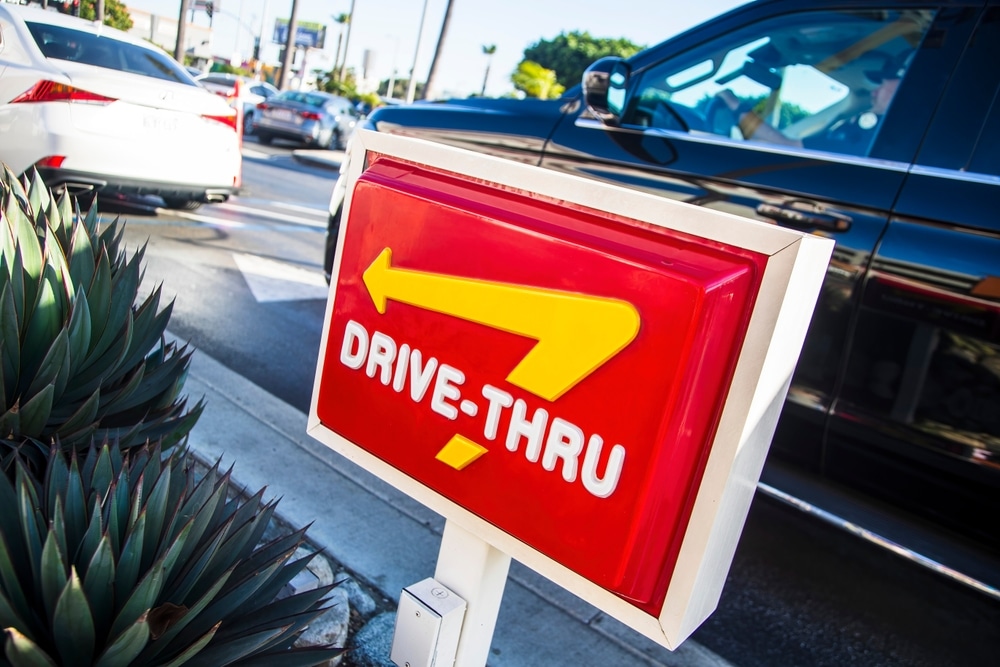
Palm Springs City Council moves contested In-N-Out project forward
Despite objections from architecture and preservation advocates, the City Council voted 4-1 to uphold the project’s approval, giving In-N-Out flexibility to resolve four remaining design conditions and move forward.
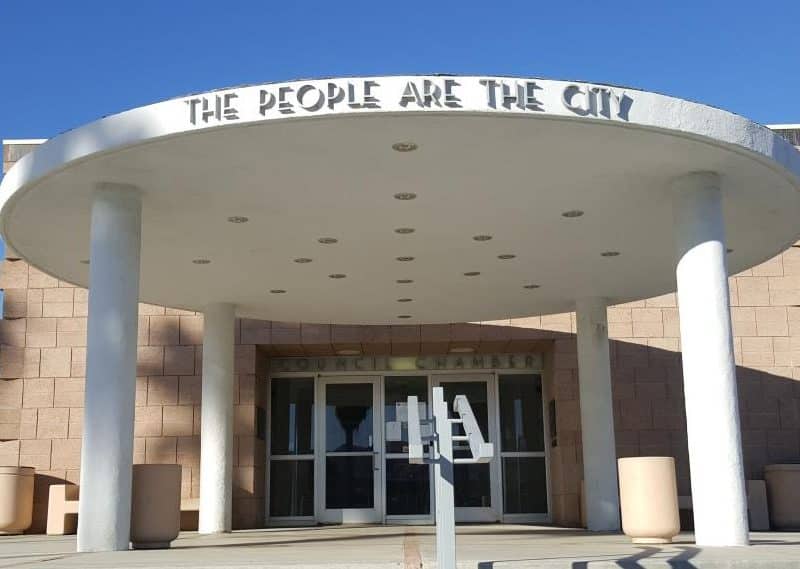
The week ahead: In-N-Out hearing, Seven Lakes historic district consideration and a tourism agreement
The City Council’s hearings on a drive-thru restaurant and a historic district designation highlight a short week that includes four meetings scheduled Monday and Tuesday.
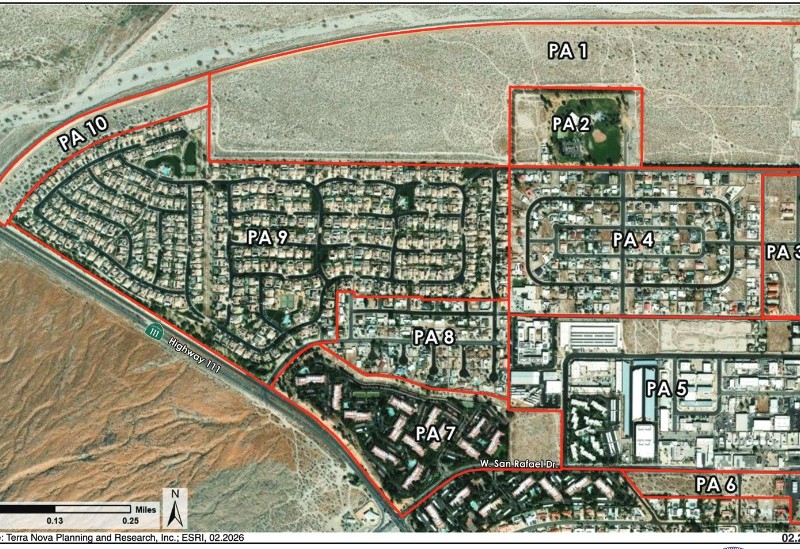
Planning Commission holds off on approving Tramview Heights plan for northern Palm Springs
Commissioners delayed a vote on the specific plan that could bring up to 1,594 homes and a long-sought grocery store site to the Desert Highland Gateway area. They will return to it Dec. 8.