
LGBTQ leaders call for better hate incident reporting systems in Palm Springs
During a meeting of the city’s Human Rights Commission Monday, representatives from a pair of local LGBTQ organizations highlighted rising discrimination amid national anti-LGBTQ legislation.
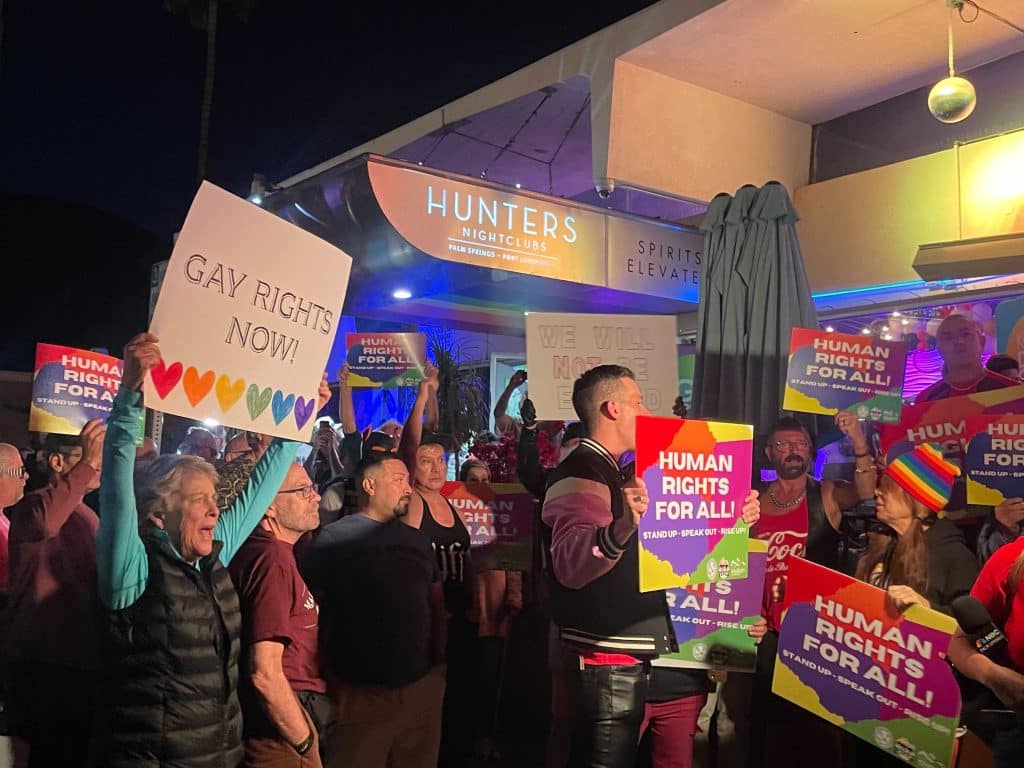
Representatives from two prominent LGBTQ organizations this week urged the Palm Springs Human Rights Commission to help create better reporting systems for hate incidents that didn’t require police involvement, citing increasing discrimination against the community.
Lex Ortega, director of community programs at the LGBTQ Community Center of the Desert and Thomi Clinton, CEO and founder of the Transgender Health and Wellness Center, presented compelling cases for improved reporting mechanisms during the Commission’s Monday meeting.
Local reporting and journalism you can count on.
Subscribe to The Palm Springs Post
“We’ve certainly seen a rise in folks sharing experiences of hate incidents, in part, we believe, due to the rising rhetoric against marginalized communities like immigrants, transgender people, drag queens, as well as racial discrimination,” said Ortega.
Ortega pointed to several anecdotal incidents reported to The Center, including a gay Asian couple called slurs while walking near a local preschool, a gay man verbally attacked while filling up at a gas station, and multiple instances of people being called slurs while shopping or walking on Arenas Road.
The presentations came amid what the speakers described as an alarming national climate for LGBTQ individuals. Ortega noted that in 2023, the American Civil Liberties Union tracked over 533 anti-LGBTQ bills introduced in over 38 states and U.S. territories. In the current legislative session, that number already stood at 456.
“We know that those of us who live in Palm Springs, we don’t exist in a vacuum, even though we do live in a bubble. And what happens in our nation also impacts what we experience here,” Ortega explained.
Clinton shared similar concerns, noting that violence against transgender individuals was rising, particularly in Riverside County.
“In the trans community, it’s not uncommon, especially around fall when I start putting on the annual Transgender Day of Remembrance, I usually get at least one death threat, usually decapitation or something very gruesome,” Clinton said.
Both speakers emphasized that many LGBTQ individuals were reluctant to report hate incidents to law enforcement due to past negative experiences or other concerns.
“Often a victim of domestic violence or sexual assault from the LGBT community spends half the time educating that individual who’s reporting instead of taking the time to grieve and give their information,” Clinton explained.
Ortega suggested the Commission consider partnering with the California Civil Rights Department’s “California vs. Hate” initiative, which provided an anonymous online reporting tool for both hate crimes and hate incidents.
“We know that those of us who live in Palm Springs, we don’t exist in a vacuum, even though we do live in a bubble. And what happens in our nation also impacts what we experience here.”
— Lex Ortega, director of community programs at the LGBTQ Community Center of the Desert
“They have an anonymous online reporting tool where folks can report both hate crimes and hate incidents. They will refer hate crimes specifically to local law enforcement agencies,” Ortega said, adding that the state was still determining how to use the hate incident data.
Clinton suggested creating a QR code for anonymous reporting or surveys that would help the city address and allocate specific funds for helping the LGBTQ community.
Both speakers highlighted the importance of creating safe spaces for LGBTQ individuals, particularly transgender people who faced significant challenges including employment discrimination, domestic violence, and housing insecurity.
“Trans individuals, about 70% have contemplated suicide. One in four in our area are forced into sex by a loved one or someone they know for a place to stay. Domestic violence is about 52 percent,” Clinton said.
Commission members expressed interest in following up on the presentations, with Chair Hugo Loyola suggesting a town hall meeting later in the year where these organizations could participate and engage directly with the public.
Commissioners also discussed the possibility of working with the city to make resources from these organizations more visible on the city’s website, creating a guide for residents seeking support.
The commission was working on updating the municipal code, with members noting the importance of incorporating language that addressed emerging forms of discrimination and strengthened protections for vulnerable community members.
Author

Related Articles
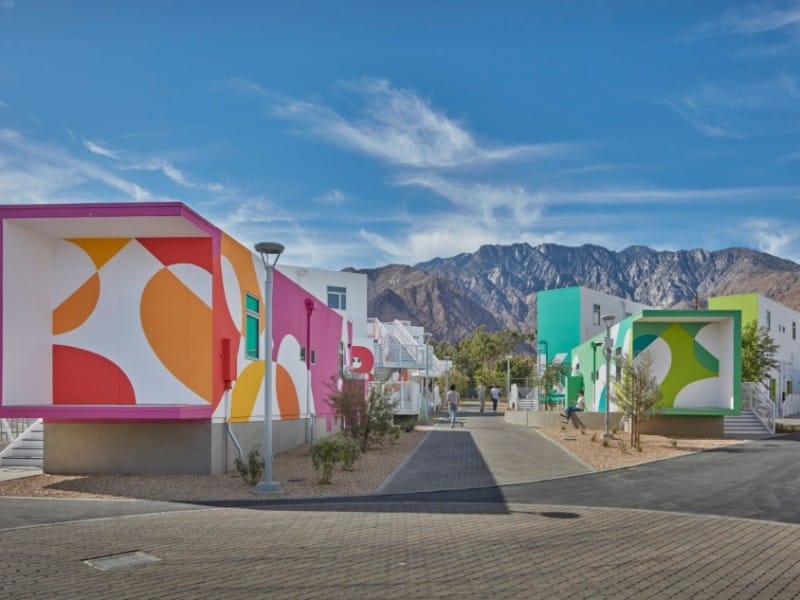
Palm Springs Homeless Navigation Center wins two national architecture awards
The American Institute of Architects honored the facility with a 2026 Architecture Award and a Housing Award in the Specialized Housing category.

Palm Springs council candidates weigh in on Flock cameras, stalled hotels, more at forum
Five candidates for three seats also addressed traffic safety and the library renovation at a forum hosted by Organized Neighborhoods of Palm Springs.

Palm Springs airport study finds economic impact tops $2.55 billion
Nearly 97% of the airport’s overall economic impact stayed within the Coachella Valley, the study found, and more than half occurred within the city of Palm Springs.