
Latest city report shows cannabis business continues to struggle
In fiscal year 2020/2021, retail cannabis tax revenue in Palm Springs was $4.4 million. In the 2021/2022 fiscal year, that number was $4.1 million. In the current fiscal year, revenue sits at $3.2 million.
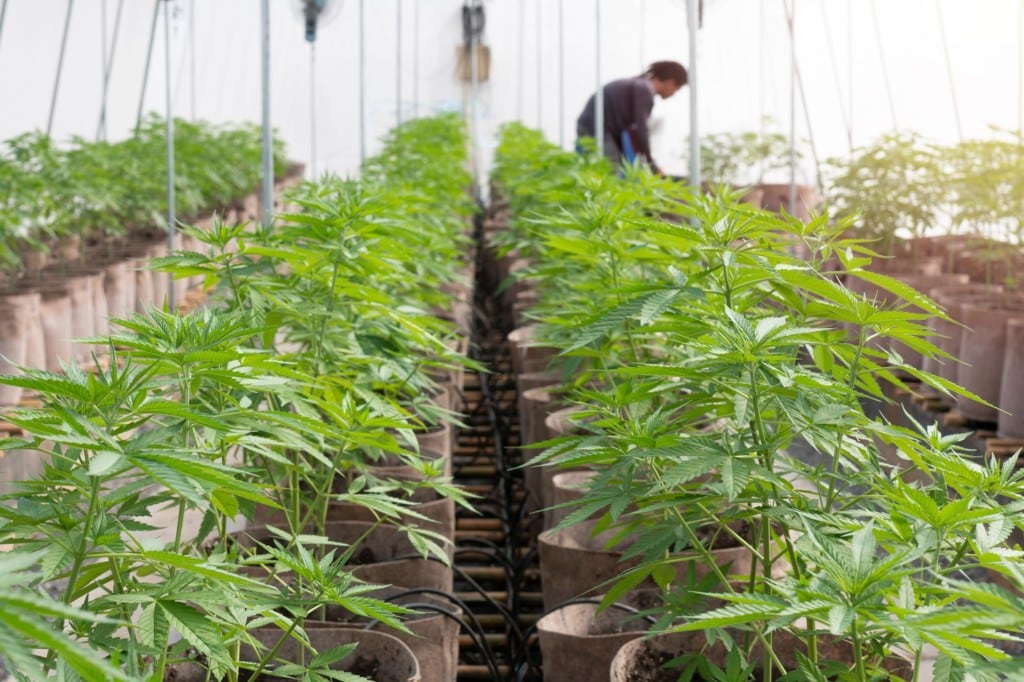
Statewide struggles in the legal cannabis business are hitting home in Palm Springs. Earlier this week, city staff showed elected officials exactly how the situation is playing out, noting that tax revenues and permits continue to decline.
First things first: California voters legalized recreational marijuana in 2016, and lawmakers hoped the new legal market would increase tax revenue and drive illicit operations out of business.
Local reporting and journalism you can count on.
Subscribe to The Palm Springs Post
- Seven years later, tax revenue has increased. Still, it’s now on a downward trend locally and statewide, and the black market is estimated to bring in about $8 billion annually, double the volume of legal sales.
At issue: The legal industry faces many hurdles, including high state, county, and city taxes, competition with the black market, and oversaturation.
Drop in tax revenue: In Fiscal year 2020/2021, retail cannabis tax revenue in Palm Springs came in at $4.4 million. In the 2021/2022 fiscal year, that number was $4.1 million, a 6% decrease. So far in the current fiscal year, the revenue sits at $3.2 million.
- This is despite the city having one of the most saturated cannabis markets in the state. An analysis conducted by The Post shows the city has one dispensary per every 2,100 residents.
Zoom in: With the decline in sales, there has also been a decline in permit applications in the city. In 2018 and 2019, there were 40 cannabis permit applications a year. That dropped to 12 last year, and year to date, there has only been one application.
By the numbers: In the Coachella Valley, Palm Springs and Desert Hot Springs have the highest recreational tax rate for cannabis at 10%. In Cathedral City, shoppers pay half the amount of tax — 5%. The other three valley cities with legalized cannabis tax it at either 5% or 6%.
- “It is very challenging for our local retailers when you can drive 10 minutes down the road, and there’s going to be a significant difference in price,” said Veronica Goedhart, director of special program compliance with the city. “It’s something that we should look into.”
Looking back: Tax rates in other cities haven’t always been that low. Cathedral City and Palm Desert met with cannabis business owners last year. Then, earlier this year, both cities reduced their retail tax rate by half, from 10% to 5%.
What to watch for: Palm Springs lawmakers have discussed lowering city taxes and introducing a cap on dispensaries. But so far, action has yet to be taken.
- At Tuesday night’s city council meeting, Goedhart told councilmembers that she is working with City Manager Scott Stiles to bring a recommendation to the council to fix some of the issues, including high taxes and oversaturation. There was no timeline for when that recommendation would come.
Author

Related Articles
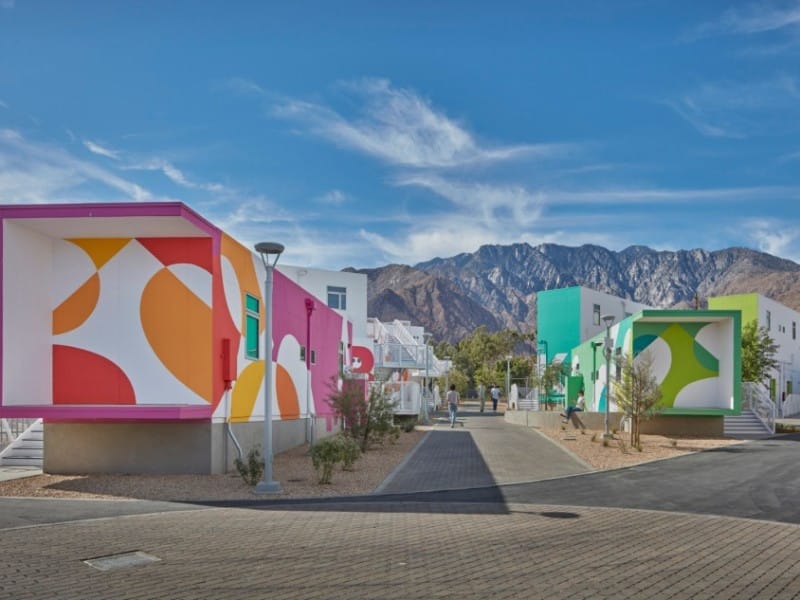
Palm Springs Homeless Navigation Center wins two national architecture awards
The American Institute of Architects honored the facility with a 2026 Architecture Award and a Housing Award in the Specialized Housing category.
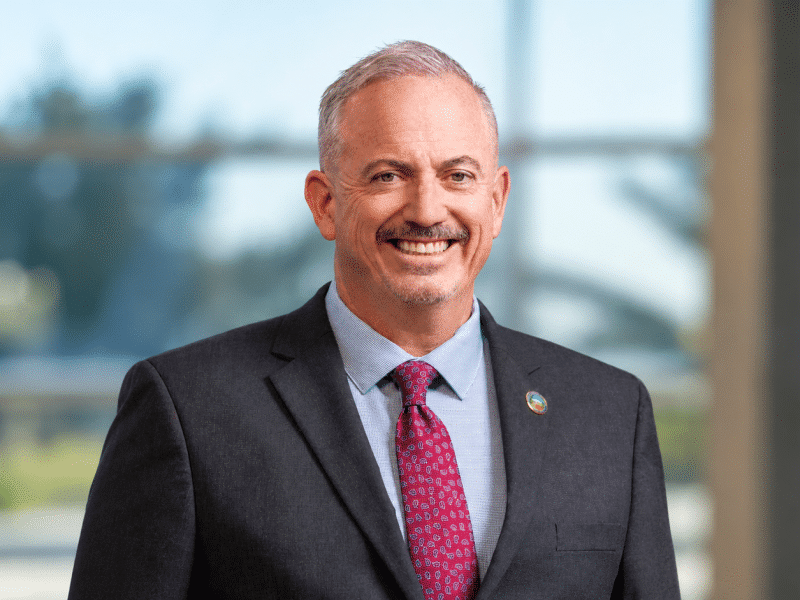
Palm Springs names former Anaheim city manager as interim leader
Jim Vanderpool, who resigned in Anaheim in February, starts Thursday. He will work alongside City Manger Scott Stiles before Stiles’ retirement takes effect Nov. 1.
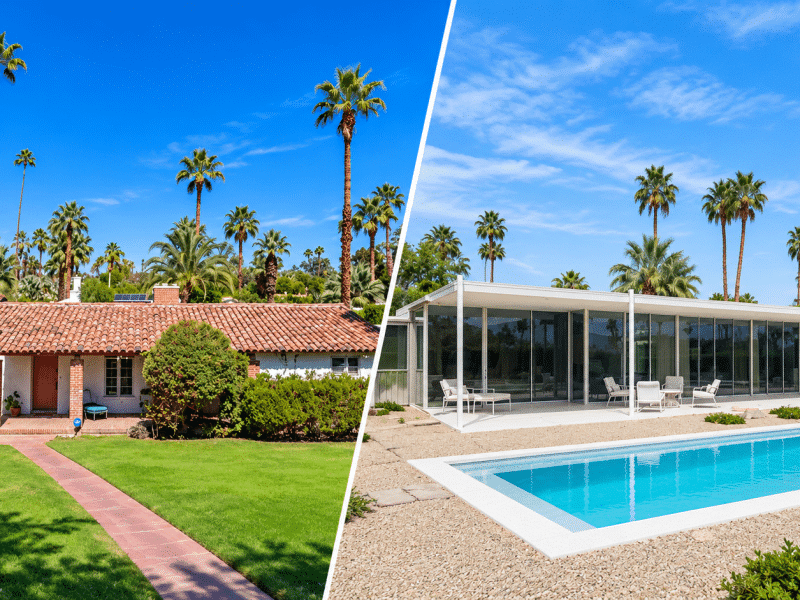
Preservation board recommends Class 1 landmark status for two homes from different eras
A 1936 Spanish Colonial Revival residence and a 1967 house designed by architect William F. Cody up for consideration were unanimously approved.