
From handshake to installation: 36-flower art exhibit delivered from sister city in just 100 days
The colorful exhibition, created by acclaimed Mexican artist Daniel “Mestiz” Valero, features flowers measuring nearly 4 feet each, with some suspended in the air to create an immersive experience.
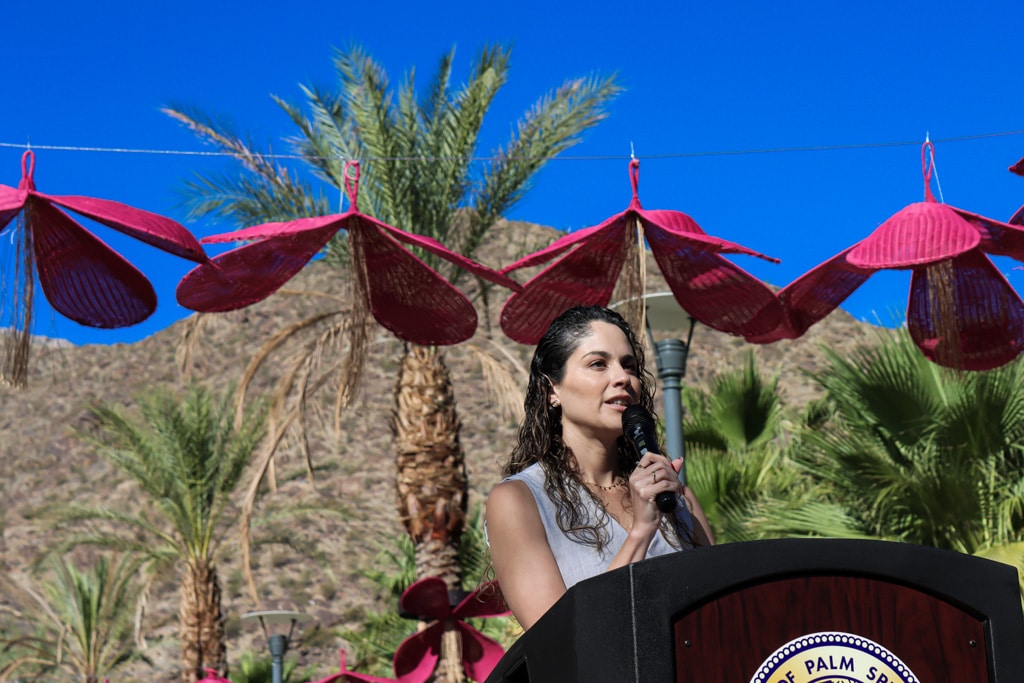
When Palm Springs Mayor Ron deHarte asked his San Miguel de Allende, Mexico counterpart how to bring a traveling flower exhibit to the city, he wasn’t sure if he was being taken seriously – but less than 100 days later, 36 vibrant handcrafted flowers now bloom along Museum Way near Downtown Park.
The city celebrated the arrival of “Deriva Floral” (Spanish for ‘Floral Drift’) from its sister city with a ribbon-cutting ceremony Wednesday morning. The installation’s rapid journey to Palm Springs began during a June meeting between deHarte and San Miguel de Allende Mayor Mauricio Trejo.
Local reporting and journalism you can count on.
Subscribe to The Palm Springs Post
“Mayor Trejo had talked about this floral exhibit that the city has that’s traveling. And he, obviously, he was very, very proud of the exhibit,” deHarte recalled at Wednesday’s ceremony. “And at that time, I asked, ‘What do we need to do to get it to Palm Springs? What can we do to get it to Palm Springs?’ I didn’t think he thought we were serious at first.”
When deHarte saw Trejo again during the visit, he pressed the issue. “I reminded him. I said, ‘What do we have to do to get the exhibit to Palm Springs?’ And now here we are, less than 100 days later, we’re celebrating the arrival of this vibrant installation,” deHarte said.
The colorful exhibition, created by acclaimed Mexican artist Daniel “Mestiz” Valero, features flowers measuring nearly 4 feet each, with some suspended in the air to create an immersive experience. The installation will remain open to the public through November.
Gary Armstrong, president of Palm Springs Sister Cities, provided more detail about how the arrangement came together during the June delegation visit. The group, which included deHarte, Councilmember Jeffrey Bernstein and City Manager Scott Stiles, met with Trejo in what locals call the old palace – the building where Mexico declared its independence from Spain.
“Once we sat down, Mayor Trejo spoke about the importance of our partnership,” Armstrong said. “And then suddenly Mayor Trejo leaned forward and he asked, ‘Would you like our flowers?’ And we all kind of looked at each other like, ‘I don’t know what the flowers are.’ But Mayor deHarte leaned forward and said, ‘Yes, I would love your flowers.'”
The installation represents nearly three years of cultural exchanges between Palm Springs and San Miguel de Allende since they became sister cities. The relationship has fostered art installations, food and wine festivals, and educational programs.
“When Council approved sister cities with San Miguel de Allende, this was exactly the type of envisionment that we were hoping for, this kind of cultural exchange,” said Mayor Pro Tem Naomi Soto.
The sister cities program itself began six years ago when Councilmember Jeffrey Bernstein first proposed the idea to the city’s business retention and economic development subcommittee. After conducting stakeholder meetings throughout the city, one destination consistently emerged as the top choice.
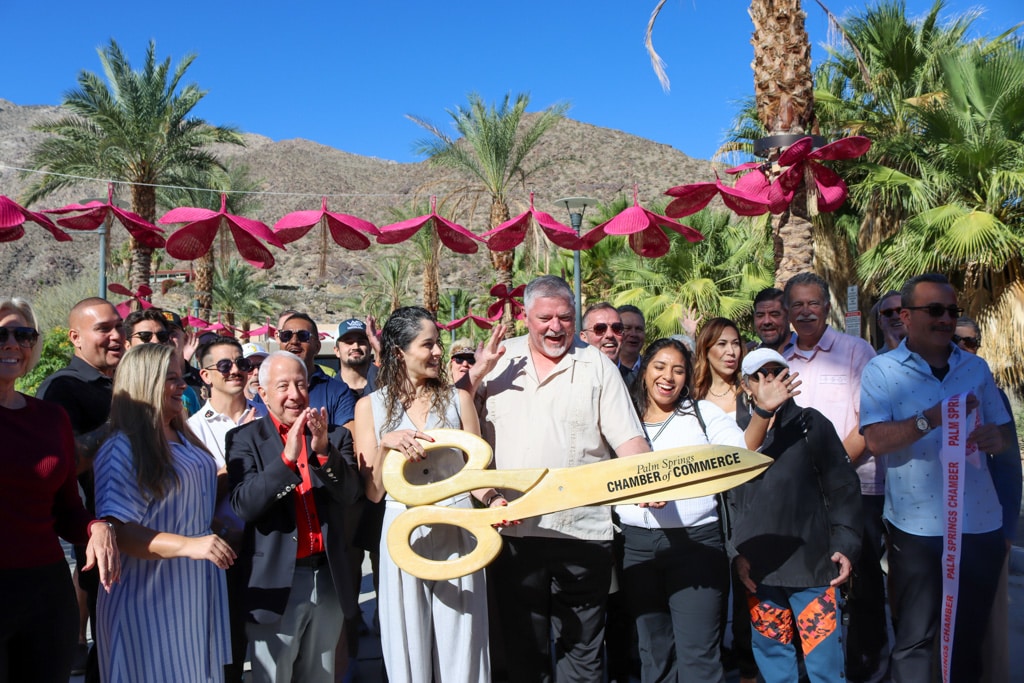
“Almost every single time, San Miguel de Allende rose to the top of the list, a city that has so many similarities, but so many things we could learn from,” Bernstein said.
Tania Castillo, tourism director for San Miguel de Allende, noted that Palm Springs marks the final U.S. stop for the traveling exhibition, which previously visited Madrid, Houston, and Santa Fe.
“This is the way to show what San Miguel de Allende is,” Castillo said.
Armstrong emphasized the diplomatic importance of the installation, particularly given current federal immigration policies.
“When the federal government is tightening borders here in Palm Springs, through our sister cities partners we’re reaching across them through art education, culinary preservation and through shared creativity,” Armstrong said.
The project was funded entirely by San Miguel de Allende as what officials described as a gesture of cultural diplomacy and friendship between the two cities.
Authors


Related Articles
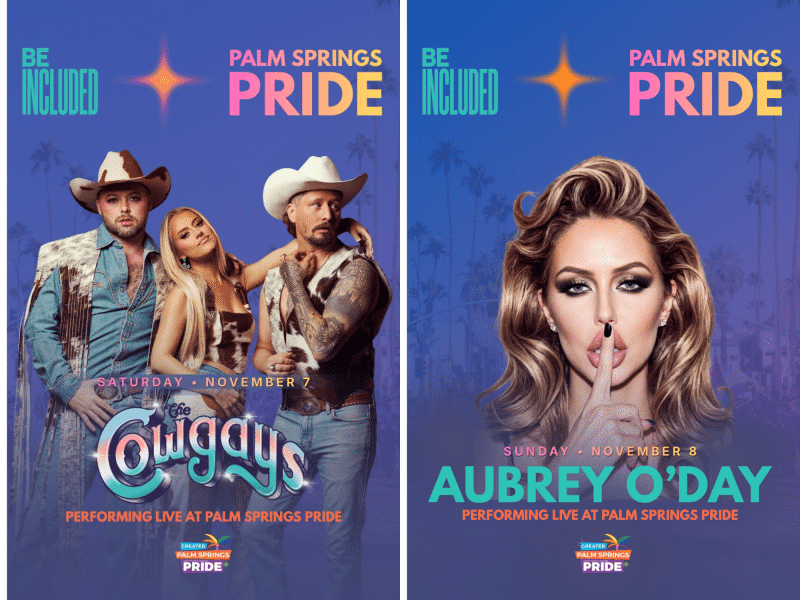
Greater Palm Springs Pride names Aubrey O’Day, The Cowgays as 2026 headliners
The free, three-stage festival marks its 40th anniversary Nov. 6-8 in downtown Palm Springs.
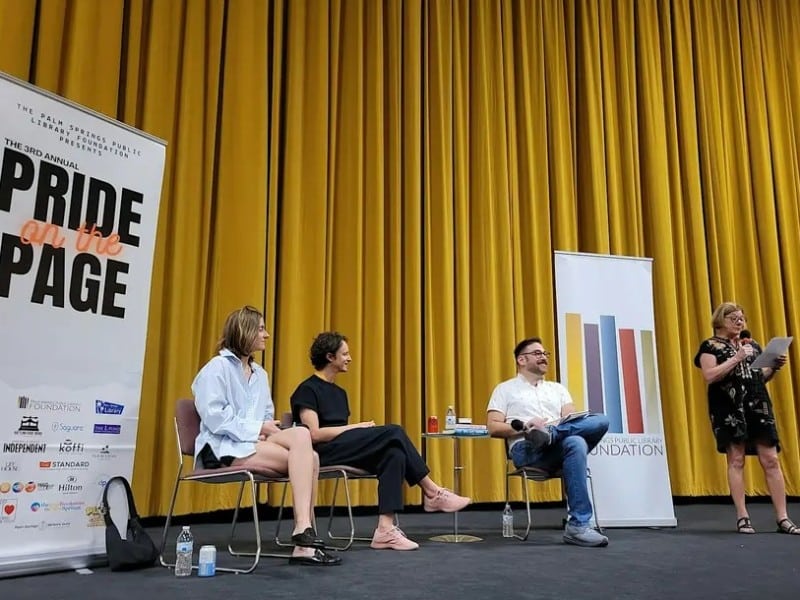
Palm Springs LGBTQ+ book festival announces full lineup, adds Ty Herndon as headliner
Pride on the Page’s 5th annual event is free this year for the first time, with Grammy-nominated country singer Ty Herndon discussing his memoir at the evening program on Nov. 14.
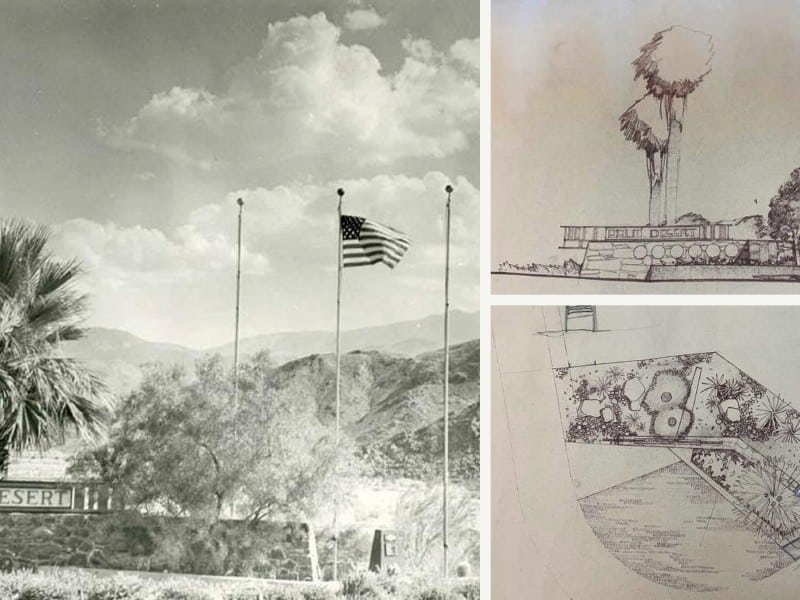
Palm Springs preservation group steps in to help revive a piece of Palm Desert history
The Palm Springs Preservation Foundation has offered to fund conceptual design work for a recreation of a historic Palm Desert entry sign designed by noted desert architect William F. Cody.