
Former Palm Springs councilmember and mayor tapped to lead health initiative in city
Geoff Kors will spearhead the Blue Zones initiative, a project aimed at improving community well-being that now has funding via a unique public-private partnership.
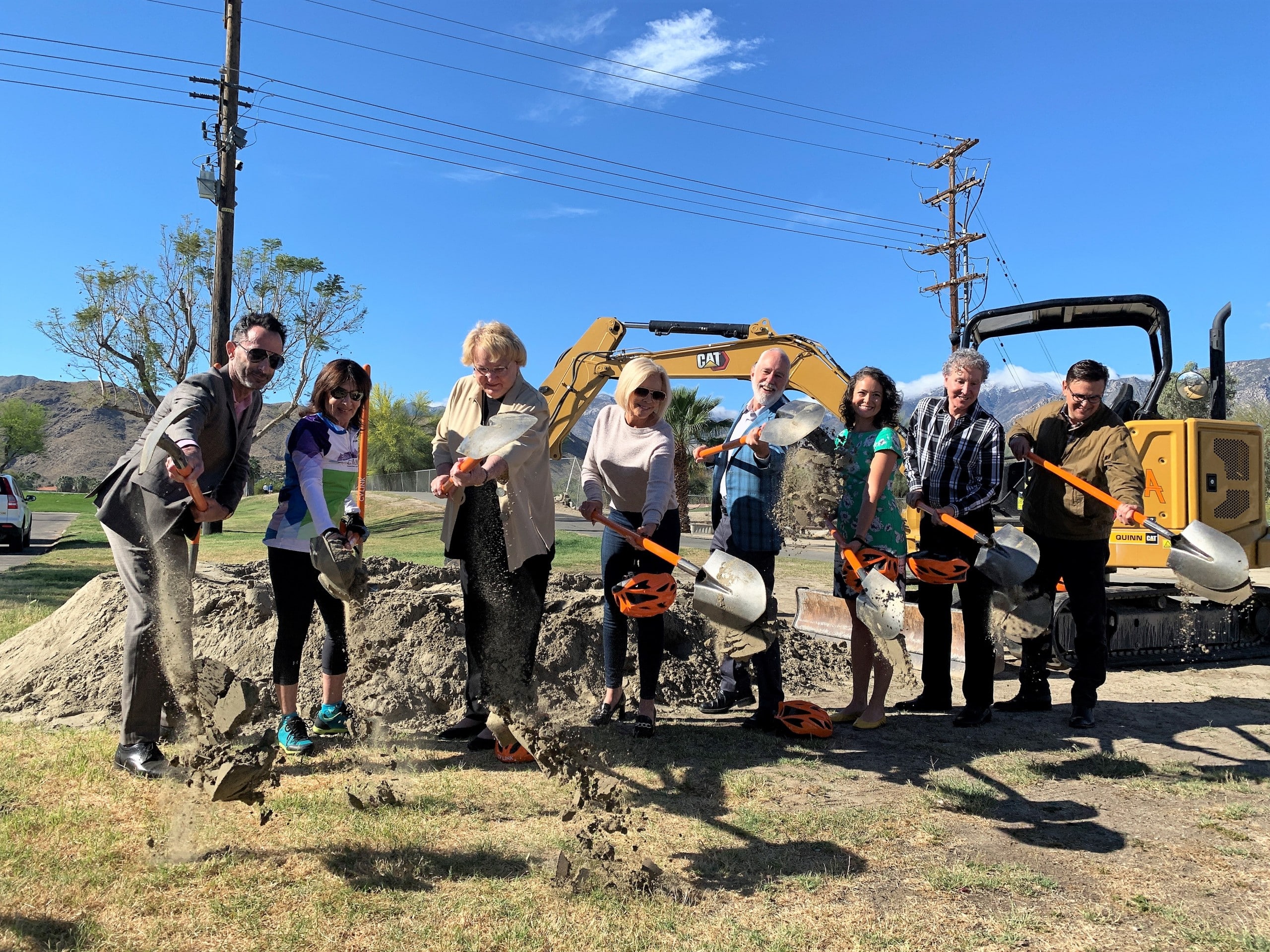
Geoff Kors wasn’t looking for another full-time job after stepping down from two terms on the Palm Springs City Council—including a year as mayor — in 2022. However, an opportunity to improve the long-term health of city residents was too good to resist.
Kors’s career includes a long history of advocacy, legal, and policy efforts to advance civil rights, environmental protection, and social justice. All of that experience will serve him well as the newly appointed executive director of the Palm Springs branch of the Blue Zones project.
Local reporting and journalism you can count on.
Subscribe to The Palm Springs Post
As announced in a news release Tuesday morning, the city will join forces with three others in Riverside County in the effort. The first phase of community engagement will happen in the coming months, with a full rollout of programs expected by late May.
Once implemented, the programs will tackle several health concerns in the city by reimagining the “Life Radius” – the spaces where people spend 90% of their time, including homes, workplaces, schools, and community areas.
“I wasn’t planning to come back right away and have a full-time job,” Kors said on Monday. “But it’s such a great opportunity to focus on our community and improving health and wellness.”
City leaders approved $85,000 in 2022 to assess the community’s health needs and whether it should seek designation as an official Blue Zone Community. Ultimately, it didn’t pursue the designation.
Now, with a majority of the funding for the multi-million-dollar project coming from multiple sources – Inland Empire Health Plan (IEHP) Foundation, Eisenhower Health, Kaiser Permanente, Molina Healthcare, Riverside University Health System-Public Health (RUHS-PH), and Riverside County – the city has had a change of heart.
“This is a major step towards improving the health and well-being of our historic city,” Palm Springs Mayor Jeffrey Bernstein said in a statement. “Blue Zones Project aligns with our existing efforts to improve quality of life by investing in safer parks and recreational spaces, improved infrastructure, and more resources for the unhoused.”
While the city may appear to be the picture of health, Kors said Monday that lurking in the background are high rates of obesity, social isolation among seniors and busy working families, limited access to fresh and affordable healthy food, inadequate infrastructure for safe walking and biking, and food deserts, particularly in the northern section of the city.
The initiative plans to work on several fronts, including improving bike lanes, enhancing walking paths, and increasing access to healthy food options. Kors highlighted similar projects’ success, such as a 63% reduction in childhood obesity achieved by a Blue Zones initiative in the beach cities of the South Bay near Los Angeles.
“We have done, I think, a really good job, and there’s more coming to increase bicycle lanes in the city,” he said of bicycling infrastructure. “But other than CV Link and the one on the sidewalk on Gene Autry, none of them are protected bike lanes.”
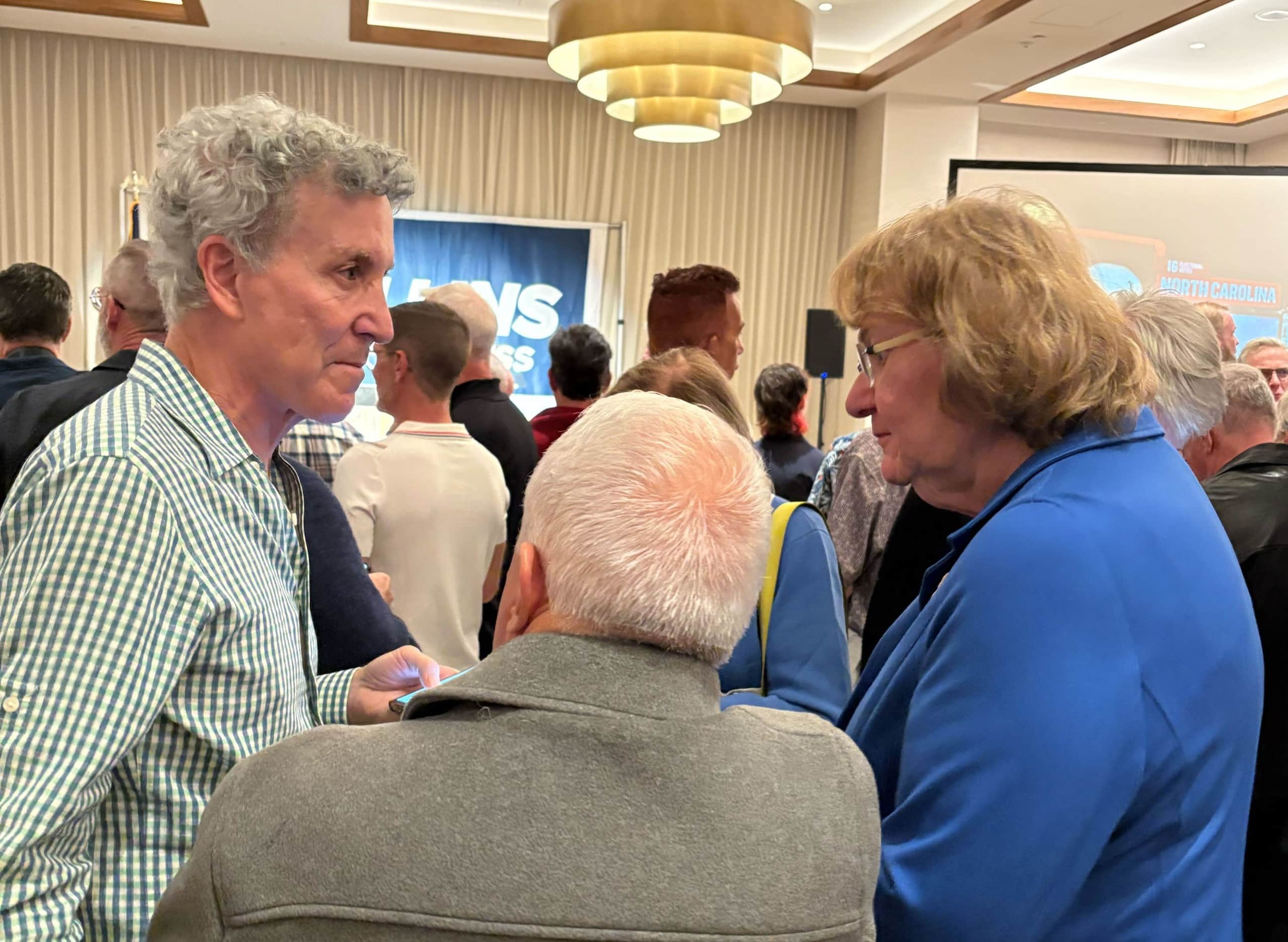
Project staff will collaborate with local organizations, employers, and schools to promote healthier choices, aiming to address food deserts, particularly in the northern portion of the city, and work with restaurants to include more plant-based options.
“They work with grocery stores to encourage them to make sure there’s not always unhealthy food when you walk in and when you check out,” Kors explained. “They work with restaurants, and it’s not, ‘Take off whatever you know is unhealthy on your menu,’ but rather, ‘Here are some creative plant-based options that you can have on your menu that sell really well in places.'”
Community outreach will be a key component of the initiative. Kors said plans could include setting up walking groups and beginner hiking groups for residents who might be hesitant to join existing groups.
In the end, he said, it’s all about collaboration.
“Palm Springs has an unbelievable number of really great organizations that are serving our community,” Kors said. “But getting them to work together in this area in health and wellness will hopefully also lead to them working together in other areas.”
“I think a lot of people right now are just sort of in a bit of a funk,” he added. “And this is something that can be really uplifting and help connect people with organizations and with each other.”
For Kors, a longtime city resident who served on the City Council from 2015 to 2022, the project is a natural extension of his public service. He said he was drawn to Blue Zones’ holistic approach to addressing some of the city’s most pressing wellness challenges.
“This isn’t just another health program,” Kors said, “it’s about fundamentally changing how our community lives, eats, and connects.”
What truly excited him, though, was the project’s community-driven approach. By bringing together local nonprofits, government entities, and residents, he said Blue Zones promises to do more than improve health — it aims to rebuild community connections.
“We’re not just talking about individual wellness,” Kors said. “We’re talking about creating a more connected, vibrant Palm Springs where people feel supported and empowered to live their healthiest lives.”
The project is currently in its discovery phase. Community input events are planned for January to determine priorities for the next three years. The rollout of the plans could begin next May.
Three local positions are open for the Palm Springs project: community lead, policy lead, and organizational lead. Those job descriptions and application instructions are available here.
Author

Related Articles
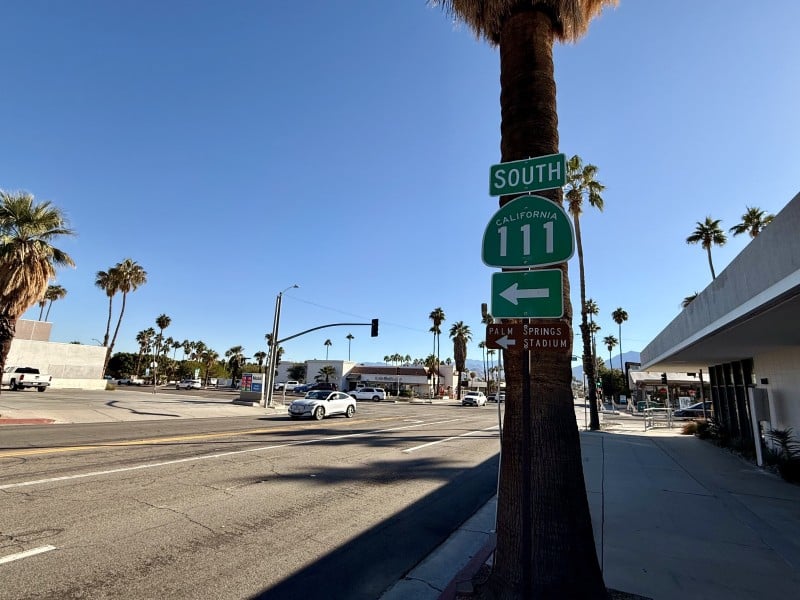
Regional traffic signal network to double in size as Palm Springs pushes safety upgrades
CVAG’s synchronization program will pass 500 intersections this fall while city crews use federal grants to add protected left turns at crash-prone locations.
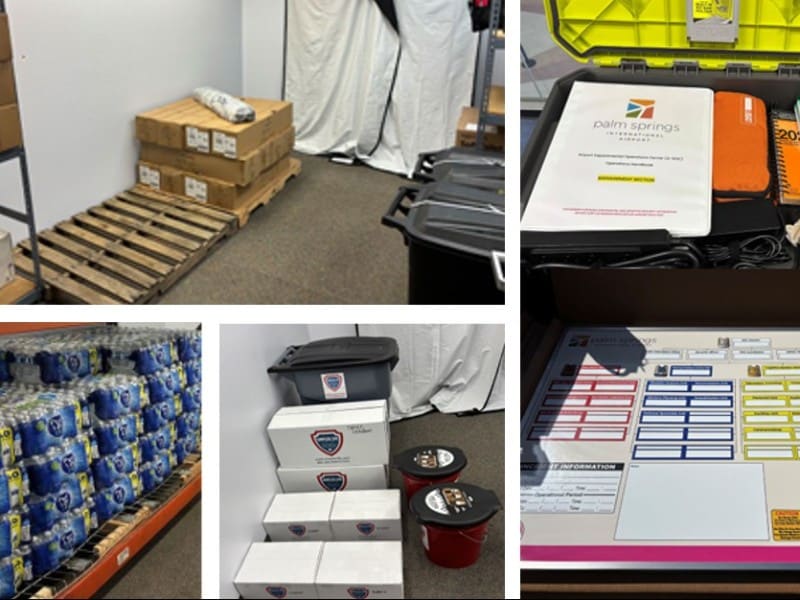
Palm Springs airport official details emergency prep gains as new earthquake study surfaces
A multi-agency training exercise and new disaster supplies were discussed Wednesday, days after a study found rising seismic stress near a Southern California fault junction.
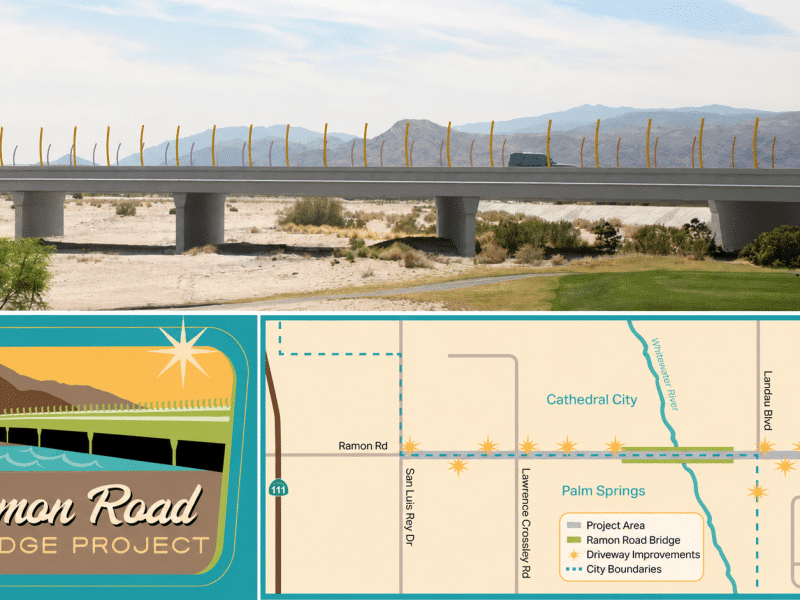
Ramon Road Bridge Project set to break ground this fall
Palm Springs, Cathedral City and the Agua Caliente Band of Cahuilla Indians are partnering on a two-year effort to widen and retrofit a heavily traveled Coachella Valley crossing.