
Architectural Review Committee denies hillside home near historic ruins
The proposed single-family residence would have been built on a 1.56-acre hillside property at the western terminus of West Santa Rosa Drive, approximately 65 feet from the Avery Field Cabin ruins.
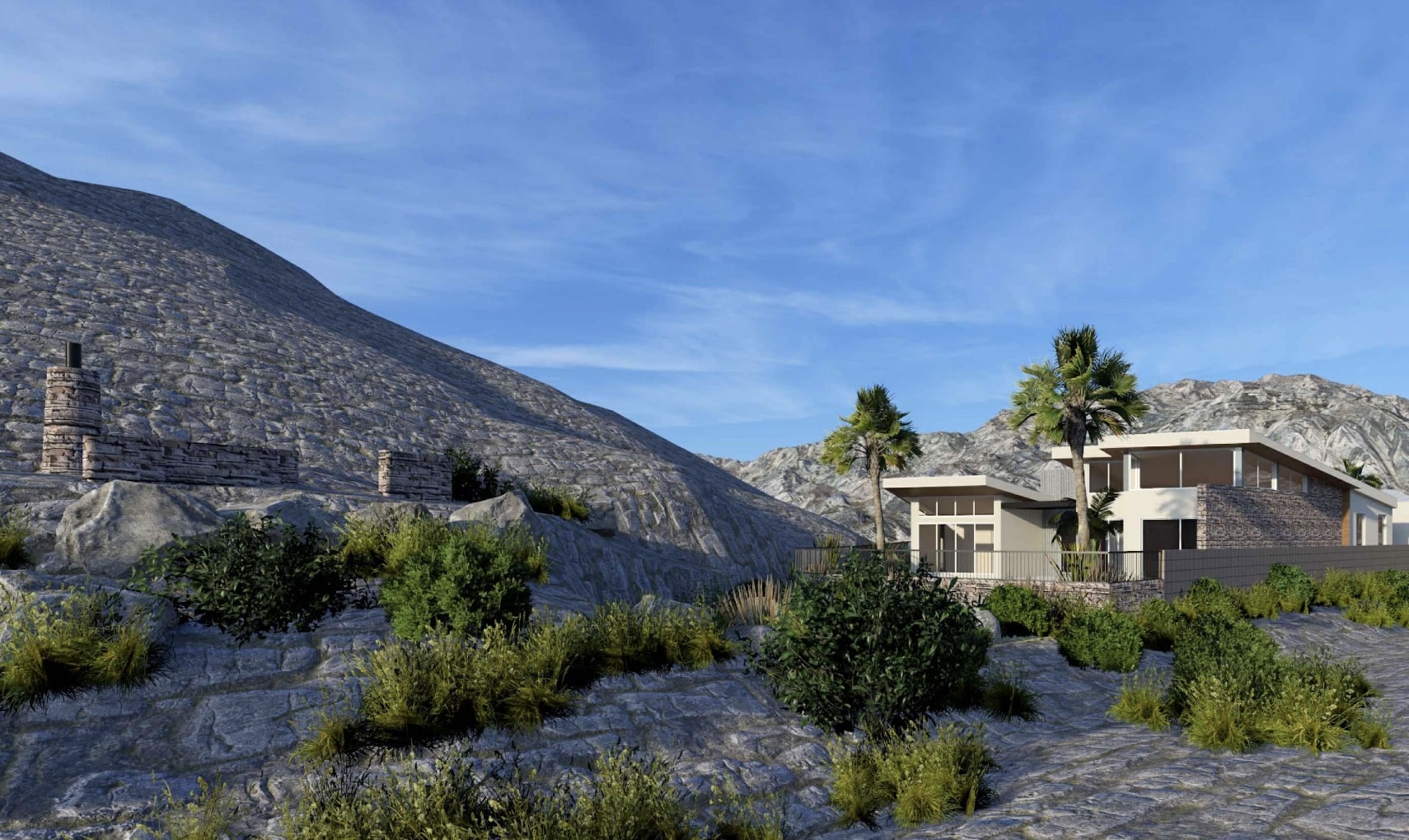
The Palm Springs Architectural Review Committee (ARC) voted unanimously Monday to deny construction of a nearly 5,000-square-foot hillside home near the city’s only designated historic ruins after hearing concerns from neighbors.
The decision can now be appealed by developer Santa Rosa PS, LLC, to the Palm Springs Planning Commission. The applicant has 15 days from Nov. 3 to file an appeal.
Local reporting and journalism you can count on.
Subscribe to The Palm Springs Post
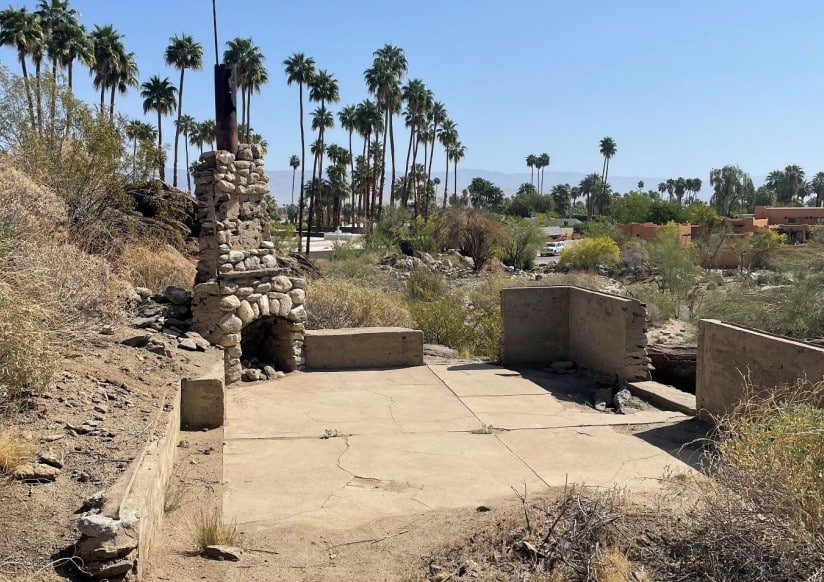
The proposed single-family residence would have been built on a 1.56-acre hillside property at the western terminus of West Santa Rosa Drive, approximately 65 feet from the Avery Field Cabin ruins, which were designated as a Class 1 landmark in 2019.
The committee’s denial came after more than an hour of public testimony and deliberation, marking the second time the project appeared before the panel. The committee had previously reviewed the application on Oct. 6 and asked the developer to make revisions including more accurate drawings, new site sections, and a reduction in square footage.
Committee members cited multiple reasons for the denial, including concerns about the pad size, color and materials, the building’s arrangement on the site, continuity with surrounding homes, view corridors, and hydrology questions raised by neighbors.
“It’s hard to see a way forward,” said Vice Chair Jacqueline Thomas, while acknowledging that they could have approved the design with significant conditions. “I think the process is broken.”
The developer had reduced the total footprint of the home by 45 square feet and moved the structure more than 4 feet from the neighboring property line in response to the committee’s October feedback. The applicant also revised exterior materials to include a darker stone that more closely matches the color and texture of the adjacent ruins.
“We’ve done our best to appease as many people…and [we] realize this view is an issue, but when you have a property next to a vacant lot, views can’t be guaranteed,” said Mark Temple, the developer of the project, pointing out that the development team is not asking for approval for anything beyond what the site is already zoned for.
“We’re within restrictions on the height, the setbacks” he said. “We’ve coordinated, cooperated, we’ve made a lot of concessions along the way.”
Multiple neighbors spoke against the project during public comment, raising concerns about water drainage and the building’s impact on their views. One speaker representing adjacent condominium owners questioned whether the development would redirect water onto neighboring properties.
Mario Yañez, project manager for Temple Construction, defended the drainage plan, saying the proposed building pad would actually sit lower than existing grade. “Right now, that part where the house is gonna be at now, it’s actually higher, existing now as natural dirt,” Yañez said. “We’re gonna grade it down a foot and a half.”
Still, the issue of water drainage remained a sticking point for the committee, “Hydrology is above my pay grade, and that is a major concern for me, given the feedback from the neighbors,” said Thomas.
The project had previously received approval from the Palm Springs Historic Site Preservation Board in June, which granted a certificate of appropriateness with extensive conditions addressing the building’s height, scale, and materials.
If the developer appeals the denial to the Planning Commission and that body upholds ARC’s denial, the matter would then go to the City Council for final determination.
Authors


Related Articles
Palm Springs council to consider temporary ban on data centers amid regional push
A proposal being reviewed later this month would pause approvals for 45 days while the city studies new regulations, as Indio and Coachella move toward permanent bans on the facilities.
Two long-stalled Palm Springs hotel projects are moving forward on schedule
The Post has rounded up the latest on three key developments currently underway in the city: Chick-fil-A, the Dream Hotel, and the Orchid Tree Hotel.
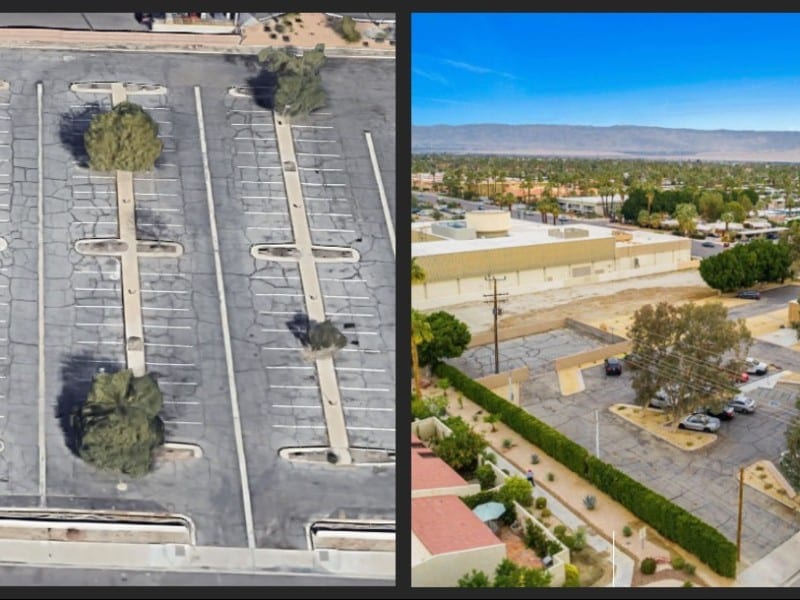
Two North Sunrise Way housing plans hit different fates before Palm Springs planners
One developer was sent back to fix backyard access before building 16 condos, while another won two more years to find a buyer for a stalled apartment site troubled by trespassers.