
American Reproductive Center rebuilding plans move forward with security, design conditions
Planning Commission approves the project unanimously but calls for more contemporary architecture and better pedestrian access along Palm Canyon Drive.

About nine months after the American Reproductive Center was destroyed in a domestic terrorist attack, the clinic presented rebuilding plans on Tuesday that prioritize protecting the facility from any future threats.
But much of the discussion at the Palm Springs Planning Commission meeting focused on whether the proposed plans fit in with the surroundings on Palm Canyon Drive and nearby midcentury modern architecture. Ultimately, the commission unanimously moved the project forward, but with several conditions added related to pedestrian access, and recommendations on the building’s design and landscaping.
Local reporting and journalism you can count on.
Subscribe to The Palm Springs Post
TJ Property Holdings, doing business as American Reproductive Center, is proposing a 19,347-square-foot, two-story medical office building at 1199 North Indian Canyon Dr., replacing the previous facility that was destroyed on May 17, 2025. All buildings on the site were removed as part of the resulting FBI investigation and the site is currently roughly graded and vacant.
The first floor of the new facility would contain a 9,430-square-foot surgery center, with a 9,883-square-foot OB/GYN and fertility center on the second floor.
Security changes proposed as part of the new construction include just one entrance, removing a secondary driveway along North Palm Canyon Drive. Access via the entrance would be controlled by a new guardhouse, staffed 24/7, and electronic sliding gates that provide access to the parking lot. Plans also include a masonry wall topped with fencing, totaling seven-feet high, along both sides of the building to further protect the facility.
“Safety at this property is of particular concern as there is a history of intentional destruction of property without regard to human life,” notes a letter to city staff from Jennifer Levesque, the project’s architect.
“The owner feels that these elements, as well as other site elements we’ve included, are an essential part of ensuring the safety of the staff and patients served by the building,” Levesque said Tuesday, responding to concerns from some commissioners over a walled building along one of the city’s major thoroughfares.
“The existing staff still works for the doctor and remains on edge regarding strangers coming into the facility or their safety as they walk to their cars before and after their shifts, so the fence and other elements not just physically protect the property but provide psychological security for the staff.”
Technically, the Planning Commission was tasked with looking at the site plan, mass and scale of the building, with the Architectural Review Committee (ARC) tasked with reviewing the building’s architecture and landscaping at a later date. But the conversation still turned to the building’s design on Tuesday, with discussion focused on the building’s Mediterranean style and a lack of pedestrian access. The previous building was more “monolithic,” as associate planner Glen Mlaker described on Tuesday.
The Palm Springs Modern Committee had also submitted a letter requesting a more modern design, according to Debra Hovel.
“We’re thrilled that a new building is being built. We wish it were a more modern design in keeping with the direction Palm Springs architecture. …We would love to help determine the design of the building so that it’s a building we can be proud of for the next 50 or 60 years,” Hovel said.
Commissioners similarly expressed concerns that the project would “stick out,” and expressed a desire for “a more contemporary style architecture.”
“We feel that the building fits well with the context along Palm Canyon and Palm Springs as a whole,” said Levesque. “The Mediterranean style is as much a part of Palm Springs as other styles.”
Commissioners also expressed concern over whether the lack of pedestrian access fit in with the city’s General Plan goals of encouraging walkability along Palm Canyon Drive. Planning Director Chris Hadwin said city staff felt like the project was in line with the intent of the General Plan, given the “very specific security needs and extenuating circumstances that certainly we would all have an interest in avoiding.”
Conditions added to the project’s approval include adding some sort of respite point for pedestrians akin to Desert Healthcare Wellness Park, reducing the height of the cement portion of the exterior wall, adding a pedestrian entrance along Indian Canyon, and a recommendation to the ARC for more contemporary architecture.
Author

Related Articles
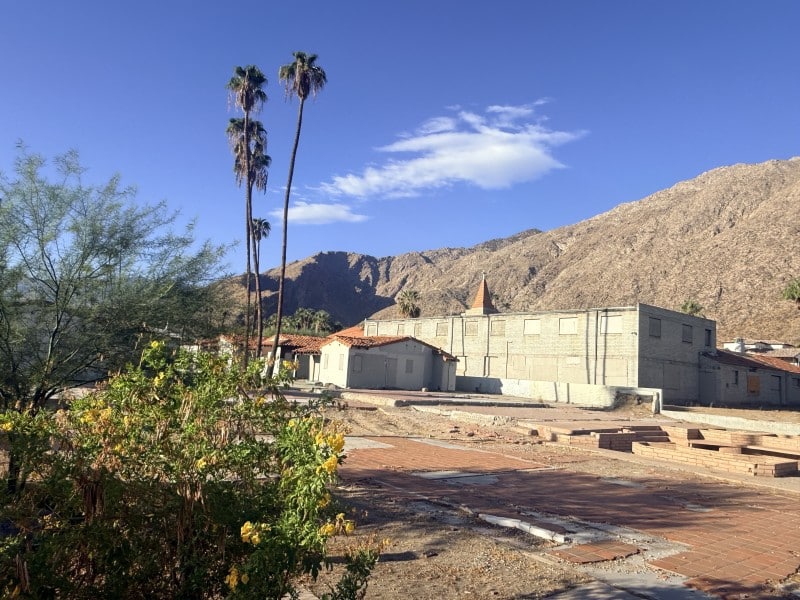
Preservation board delays decision on latest Orchid Tree hotel plans, sends four items back for restudy
Members want four staff-recommended changes restudied, including the location of a pool cabana, a step city planners said will add time to the Orchid Tree Resort & Spa schedule.
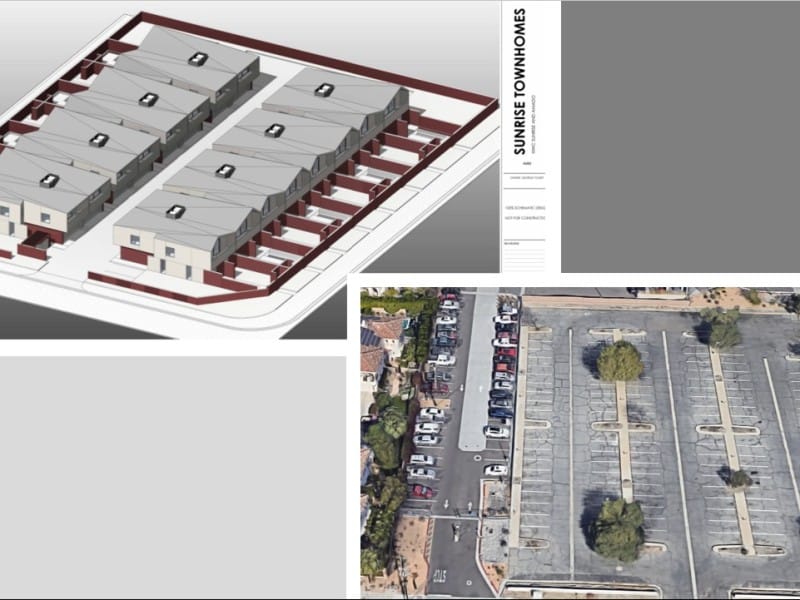
Planning Commission approves 16-unit townhome project at Sunrise Way and Amado Road after July delay
City staff noted that some of the commission’s earlier requests conflicted with state housing laws, though the developer did add a walkway so pool cleaners and landscapers can reach backyards.
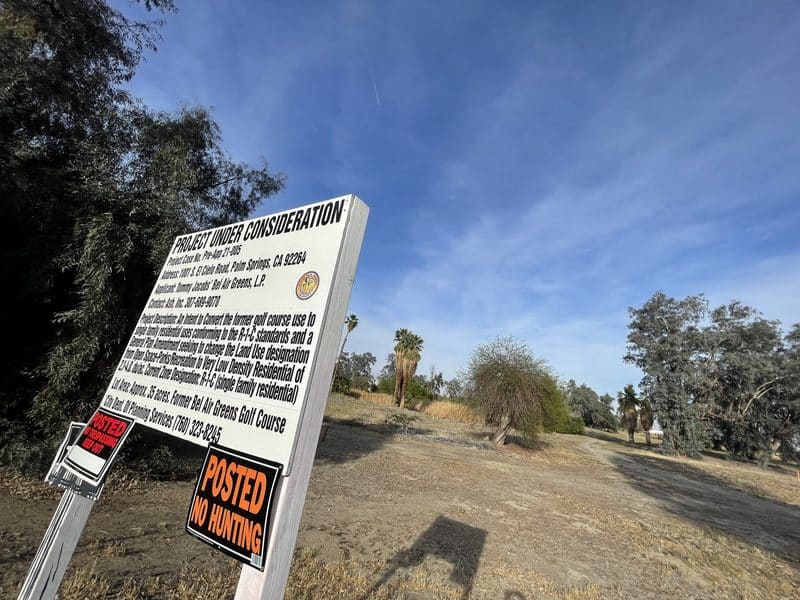
Planning Commission pulls Bel Air Greens housing plan from agenda after tribe acquires half the site
The property’s new tribal trust status means only part of the closed golf course would remain under city land-use review, commissioners learned Tuesday.