
City considers stricter parking rules to combat possibly illegal car sales
A staff report outlined several enforcement options for consideration, including time-limited parking restrictions, residential permit systems, and specific rules targeting vehicles parked for sale.
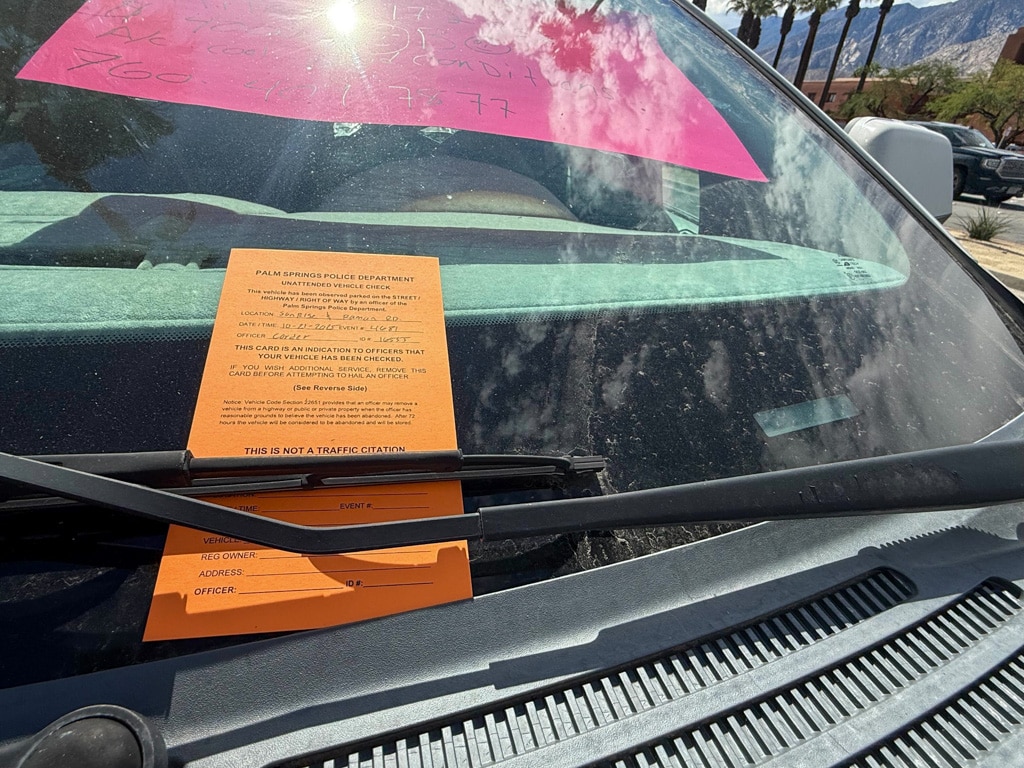
The Palm Springs City Council discussed potential new parking regulations at its regular meeting Wednesday to address ongoing problems with suspected illegal vehicle sales and commercial parking in residential neighborhoods.
A staff report outlined several enforcement options for consideration, including time-limited parking restrictions, residential permit systems, and specific rules targeting vehicles parked for sale. Staff members pointed out that the city’s current 72-hour parking limit is difficult to enforce because sellers often move vehicles short distances to reset the clock.
Local reporting and journalism you can count on.
Subscribe to The Palm Springs Post
Police Chief Andy Mills echoed those concerns, explaining that enforcement challenges arise from the need to manually mark vehicles and return later to verify whether they’ve moved. He noted that enforcement officers leave tags to track the 72-hour period, but violators have become adept at working around the system.
Several residents spoke during public comment, describing ongoing parking problems in their neighborhoods. One resident who lives at the corner of Sunrise Way and Ramon Road said the issue has persisted for at least 20 years, with some individuals allegedly operating as unlicensed car brokers who regularly rotate vehicles to avoid penalties.
“There’s a couple, about two, maybe three guys that are brokers under the table, I’m assuming, and they have four or five phone numbers,” the resident said. “[One] comes every day and he looks for stickers, and he rolls the cars forward. He knows the laws about 72 hours, and he plays the game.”
The resident also raised safety concerns, saying parked vehicles obstruct visibility at intersections and create hazards for drivers. He cited a commercial van from a local restaurant that parks in the area as a form of advertisement as an example.
In response to the comments and enforcement concerns, councilmembers expressed interest in exploring a residential permit system that would prioritize parking access for those who live in the affected areas while restricting non-residents. Staff said they would review systems used in other cities and return with specific recommendations.
No final action was taken.
Authors


Related Articles
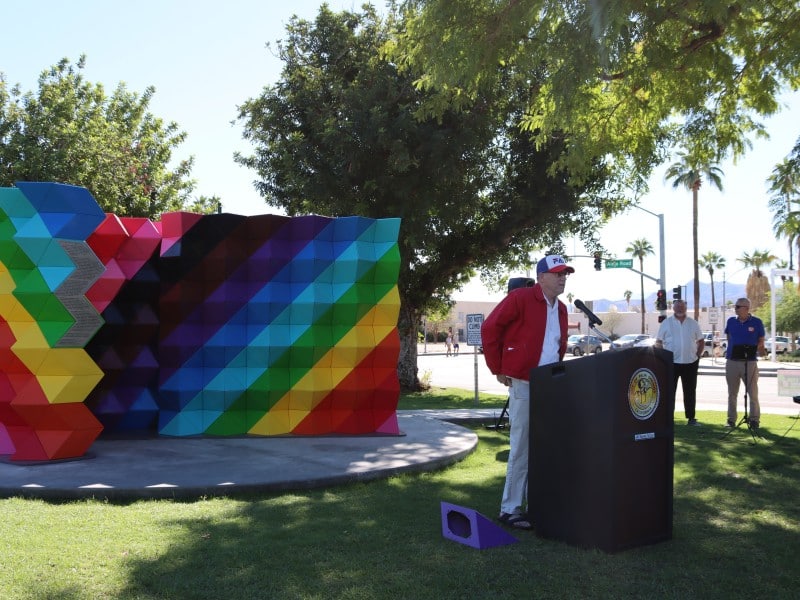
Palm Springs art commission approves up to $50,000 for sculpture repairs, adds time capsule to inventory
The Pride Monument was vandalized with the words, “hate, hatred, hated” according to the chair of the Public Arts Commission.
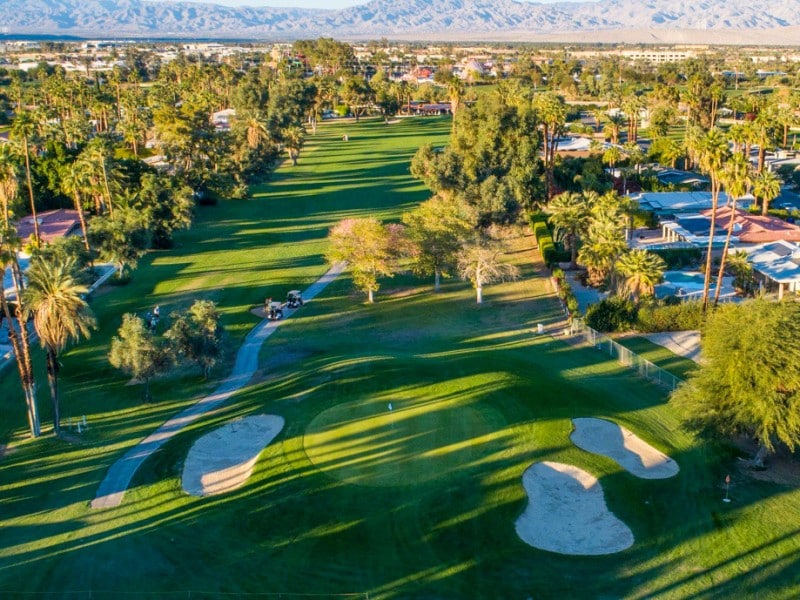
Palm Springs parks commission approves golf fee increase, redesigned Ruth Hardy Park workout pad
Resident rates at Tahquitz Creek’s two city-owned courses would rise about 9%, or $1 to $6 per round. The revised workout pad design heads next to the City Council.

Palm Springs council advances removal of cannabis lounge event provision
Council members said the subsection was unnecessary because the zoning code already governs special events and directed staff to return with an ordinance removing it.