
Palm Springs reparations payments delayed as verification of 60-year-old claims proves challenging
The verification team has received around 350 claims using various forms of proof, including school records, old phone books and marriage certificates to establish connections to the former neighborhood.
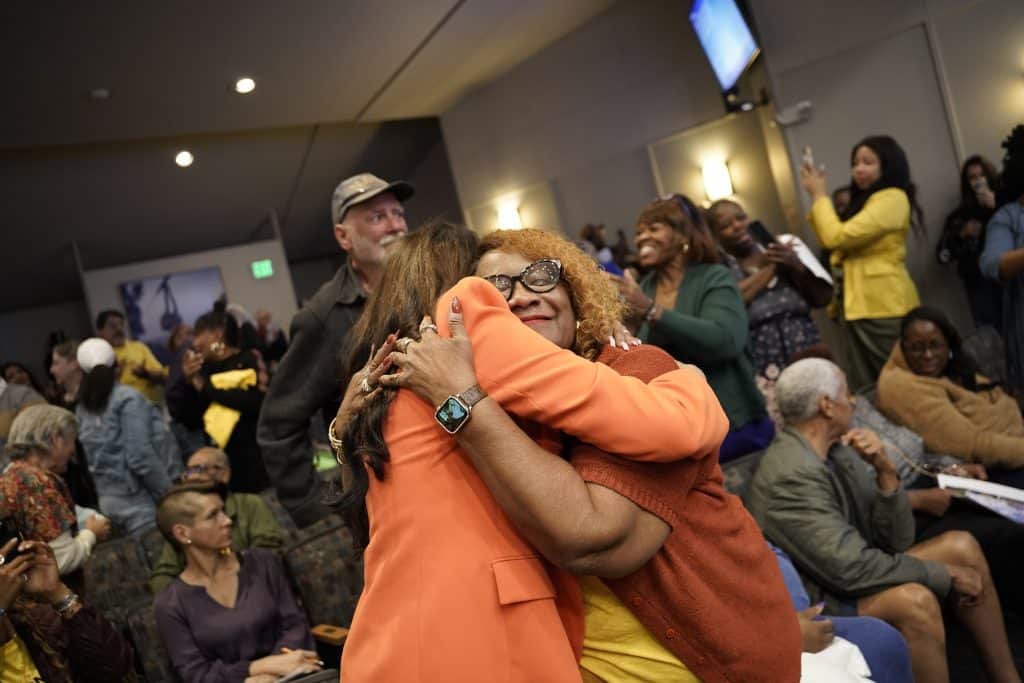
Palm Springs is ready to distribute nearly $6 million in reparations payments to former Section 14 residents and their descendants, but the money remains on hold six months after the City Council’s approval as attorneys work through a complex verification process for hundreds of claims.
The city made history in November when it unanimously approved the settlement for Black and brown families whose homes and personal property city employees helped remove during evictions from the Section 14 neighborhood in the 1950s and 1960s. The neighborhood was located on Agua Caliente tribal land in the heart of downtown Palm Springs and once housed one-third of the city’s population.
Local reporting and journalism you can count on.
Subscribe to The Palm Springs Post
“We broke something that was yours and now we need to pay for it,” said then-Councilmember Lisa Middleton during the November meeting where the settlement was approved.
Attorney Areva Martin, who represents the Section 14 survivors group, told NPR station KQED this week that the verification process has been intentionally thorough rather than rushed.
“We’re more interested in fairness and making sure everyone that wants to participate is given an opportunity to do so than I would say driven by any deadlines,” Martin said.
To qualify for payments, survivors and their descendants must submit three separate documents proving they lived in the neighborhood during the relevant time period. Martin told the station that the 60-year timeframe has created significant challenges for applicants.
“Because of the time frame that we’re talking about — 60 years — people have had some challenges in finding documentations,” Martin said.
The verification team has received around 350 claims using various forms of proof, including school records, old phone books and marriage certificates to establish connections to the former neighborhood. The financial compensation is based on an estimated value of $30,000 per home for 197 non-abandoned residences that were destroyed.
A retired California Supreme Court justice is now reviewing each application without charge. Martin said her team hopes to complete the verification process within 60 to 90 days.
Beyond the direct cash payments, the city also committed to investing $20 million over 10 years for affordable housing programs and $1 million over five years for a small business program supporting marginalized entrepreneurs. The council also approved plans for a memorial monument, park naming and a Day of Remembrance for Section 14.
The reparations effort represents part of a broader movement across California to address past racial harm, with the state’s Legislative Black Caucus introducing comprehensive reparations legislation earlier this year.
Author

Related Articles
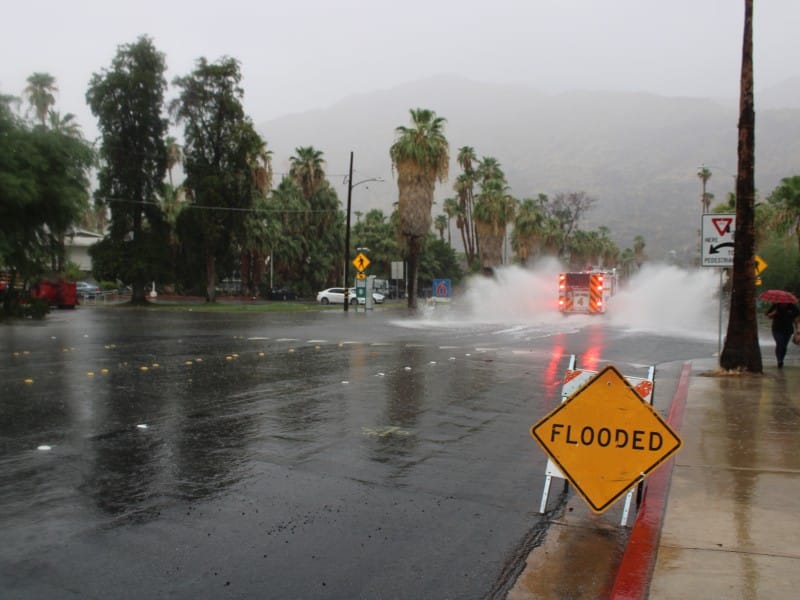
Palm Springs prepares for strong El Niño with growing CERT ranks
Hundreds of residents have already received emergency training, and demand remains high as the city and volunteer groups brace for possible flooding and other severe weather.
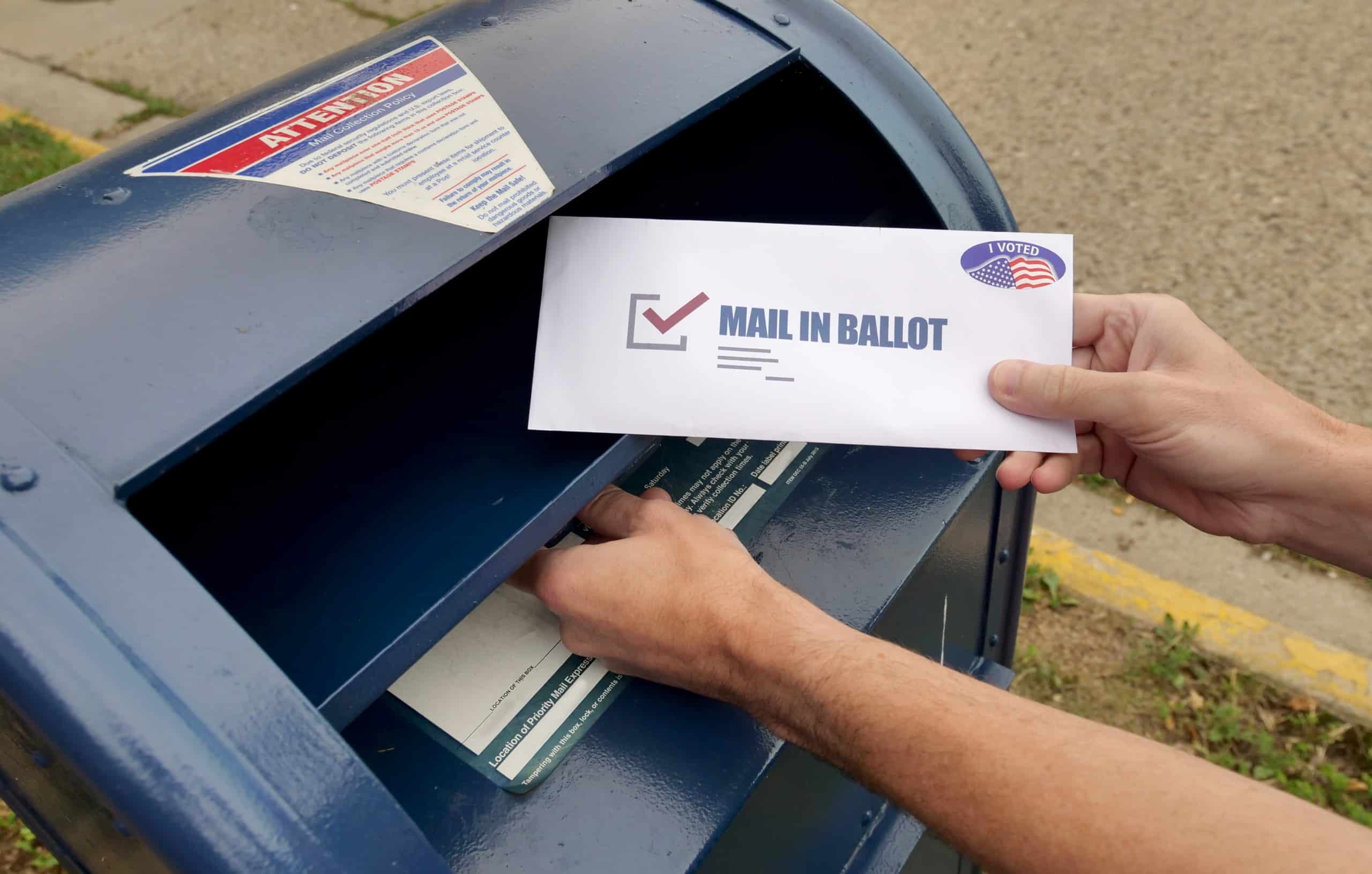
Desert Healthcare District board to gain at least three new members after Nov. 3 election
Board President Kimberly Barraza and longtime Director Carole Rogers are stepping down, and a seat vacated by Greg Rodriguez’s resignation also awaits a new occupant.
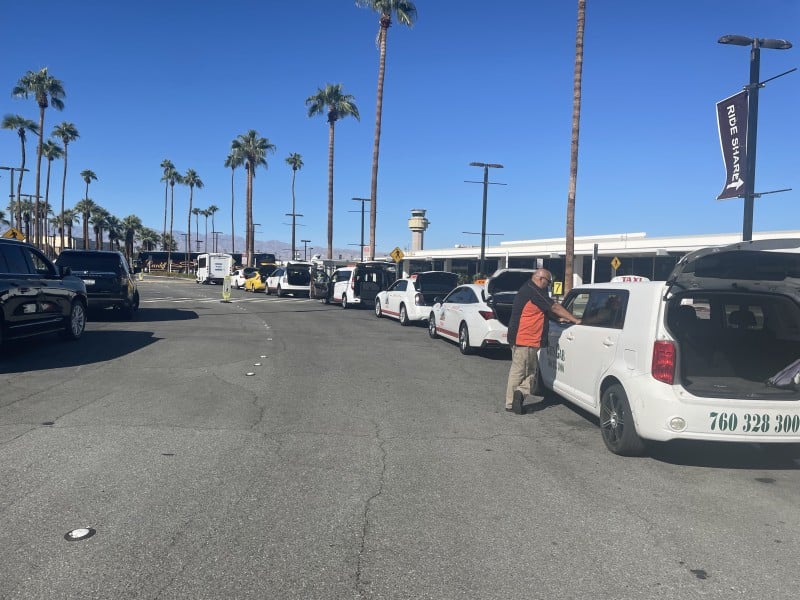
Palm Springs airport commission reviews EV charger rollout, escalator closure and taxi dispatch update
Staff also flagged a $1 million restroom expansion still lacking funding, a sharp drop in noise complaints and revenue running ahead of budget in the maintenance fund.