
Preservation board delays decision on development near historic cabin ruins
As a property owner seeks to build a home nearby, the remains of the Avery Field Cabin present a unique challenge to those tasked with protecting them.
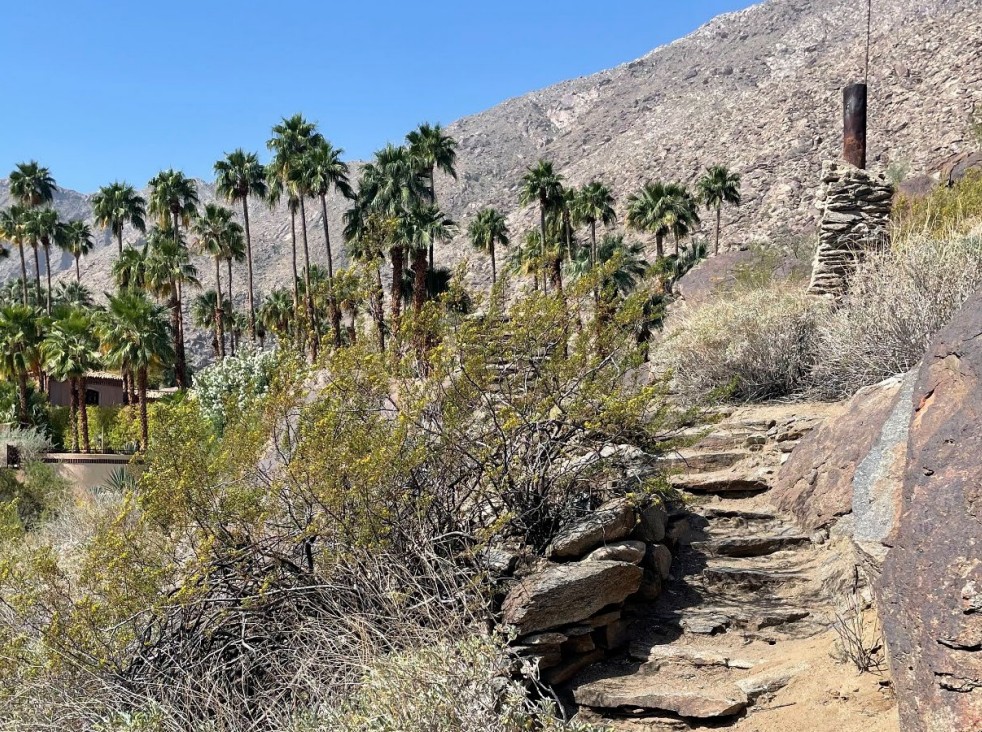
The Palm Springs Historic Site Preservation Board voted unanimously Tuesday to continue its review of a proposed residential development project near the Avery Field Cabin ruins, requesting additional information before making a final determination on the certificate of appropriateness application.
Board members expressed several concerns about the project, which would see a single-family home on the 1.56-acre hillside parcel below the location of the historic ruins. The ruins site at the western terminus of Santa Rosa Drive was designated as a Class 1 landmark in 2019.
Local reporting and journalism you can count on.
Subscribe to The Palm Springs Post
“This is the only ruin of its kind to be designated in the city even though we’ve had a historic site preservation program for 44 years,” said Board Chair Jade Nelson during deliberations. “I think we have to look really deep and really hard whether we take no action or not and allow the setting to be changed.”
According to a staff report prepared for the meeting, the cabin was constructed in the 1910s as a permanent residence for Avery Edward Field, identified as a prominent commercial photographer and member of an organization named the Creative Brotherhood. The ruins represent a considerably higher degree of architectural and construction quality than similar types of structures built in the area during the same period, according to a report prepared by Steve Vaught for the Palm Springs Preservation Foundation.
A central issue in the board’s discussion Tuesday was the ambiguity surrounding the boundaries of the contributing elements of the historic resource. The 2019 designation resolution identified specific character-defining features including “the rock fireplace, the rock and board concrete knee wall that surrounds the base of the cabin ruin, the concrete floor, and the stone steps,” but did not clearly delineate the exact boundaries of these contributing elements.
“My concern here is that we never had a line drawn around what actually the resource is, so how do we know what we’re protecting?” asked board member Janet Hansen.
The board also raised concerns about potential archaeological significance of the site, noting that no formal archaeological assessment had been conducted despite the property’s historical connections to early Palm Springs settlers and potentially to indigenous peoples who inhabited the area for thousands of years.
A representative of the developer and property owner explained that the project includes protective measures for the ruins during construction. He noted that homeless encampments had caused damage to the ruins, and the proposed development would include fencing to protect the historic resource.
“As part of the preservation, our part, to conserve it, is to enclose it,” the representative said, explaining that the fencing would be wrought iron to allow water to flow through, as the property sits in a wash area.
Board members debated whether the proposed construction would negatively impact the historic integrity of the site.
“It’s not that Class 1 designation sterilizes a site,” board member Katherine Maschka-Hitchcock clarified. “It’s that this site is especially rare in our inventory and it’s especially rare in our town.”
City planning staff had initially recommended approval with conditions, including environmental monitoring during grading, a long-term maintenance plan for the ruins, and completion of necessary preservation treatments before construction begins.
However, after extensive discussion, the board continued the review to its June 3 meeting, requesting several additional items including a formal archaeological assessment, professional photography documentation of the site prior to construction, clearer definition of the historical boundaries, and a more comprehensive presentation of the project’s design and its potential impact on the historic resource.
“It warrants us being very, very considerate and very sensitive about how to preserve this site because of its rarity and significance,” concluded Maschka-Hitchcock.
Author

Related Articles
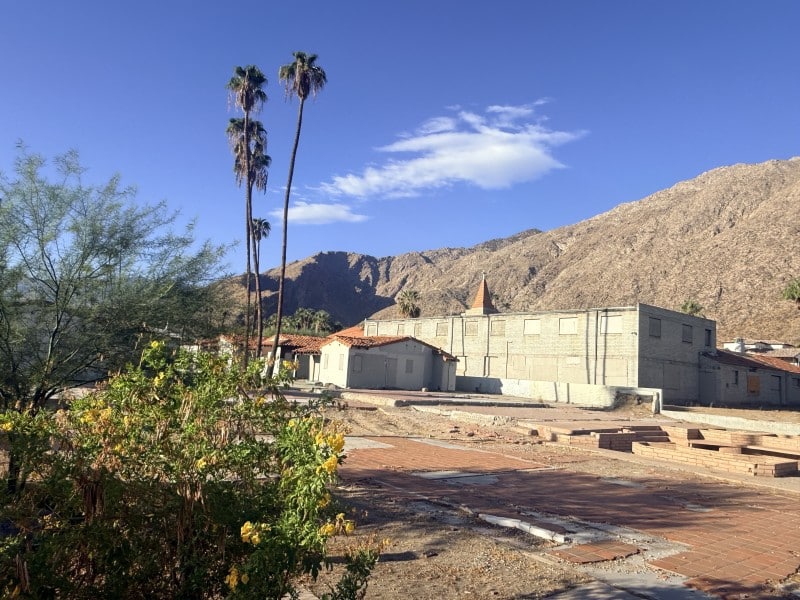
Preservation board delays decision on latest Orchid Tree hotel plans, sends four items back for restudy
Members want four staff-recommended changes restudied, including the location of a pool cabana, a step city planners said will add time to the Orchid Tree Resort & Spa schedule.
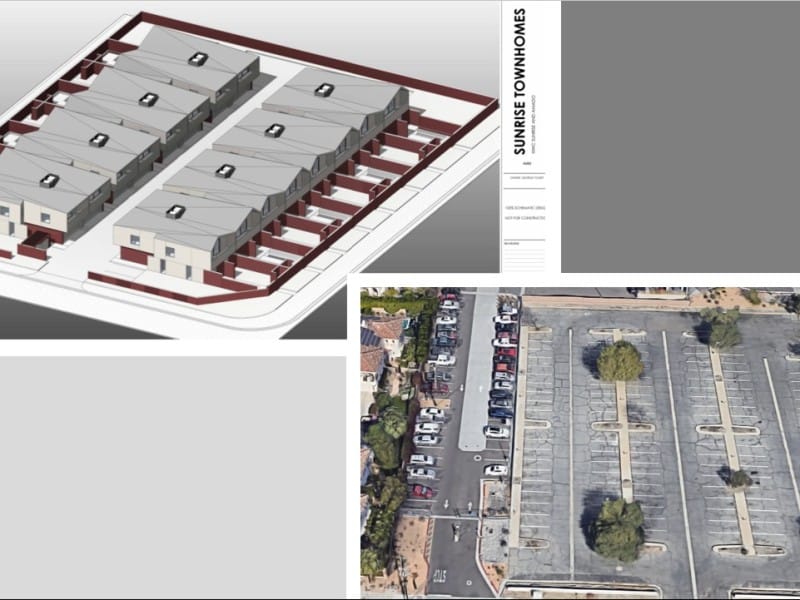
Planning Commission approves 16-unit townhome project at Sunrise Way and Amado Road after July delay
City staff noted that some of the commission’s earlier requests conflicted with state housing laws, though the developer did add a walkway so pool cleaners and landscapers can reach backyards.
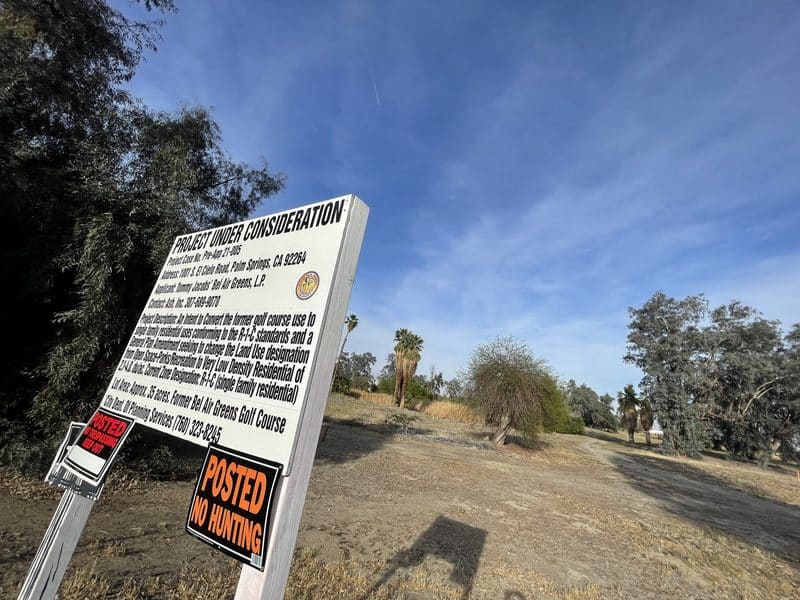
Planning Commission pulls Bel Air Greens housing plan from agenda after tribe acquires half the site
The property’s new tribal trust status means only part of the closed golf course would remain under city land-use review, commissioners learned Tuesday.