
Triumph over tragedy: How leaders in one Palm Springs industry are shedding light on sobriety, supporting employees
Local business owners are leading the way in creating safe spaces and fostering recovery within the service industry following personal journeys of overcoming addiction and maintaining sobriety.
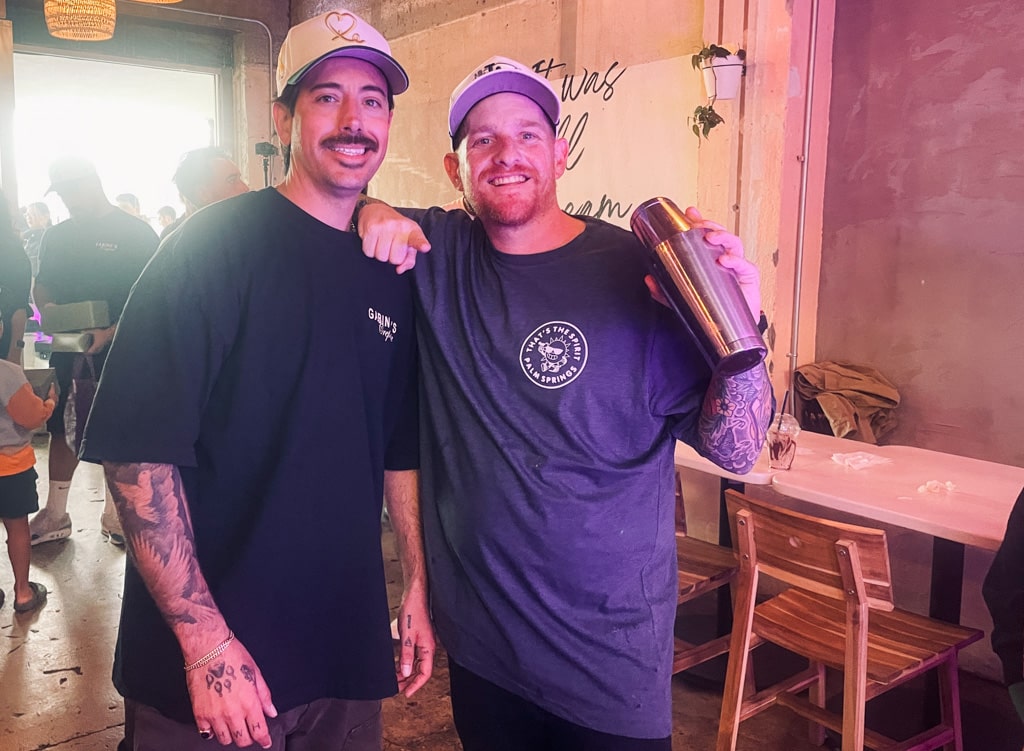
In March 2021, Cameron Alsup checked into Laguna Treatment Center after years of heavy drinking and partying. At that point, he was consuming 1.75 liters of bourbon a day. As a bartender, post-shift drinking was routine. Every night after a long, stressful shift, he and his coworkers would unwind with an ice chest full of beer or bourbon.
“And it was kind of like our reward at the end of the night,” said Alsup. “We’d pass it around and talk about the night’s crazy adventures. And that’s what bartenders do because it’s fun.”
Local reporting and journalism you can count on.
Subscribe to The Palm Springs Post
Throughout his career, nights often continued with bar hopping with his coworkers. At work, he was surrounded by alcohol. Promoters regularly dropped off new products, and Alsup frequently took home free bottles. Taking shots with customers and drinking during shifts was standard in many bars.
Eventually, he got a DUI on the way home from work. Then things took a darker turn during COVID-19 when after-work drinking became daily drinking at home.
“It wasn’t just drinking. At that point, it was drug use to be able to drink more, and then gambling fueled by drinking,” Alsup said. “So it was just like a repetitive cycle of drinking, drug use, gambling…”
Now celebrating four years sober, he runs That’s The Spirit, a mobile bartending service based in Palm Springs. The business staffs 30 employees and handles 250 events a year — a success, he says, wouldn’t be possible without sobriety.
A familiar path
Alsup’s story is not unique. According to Jacquilyn Leath, CEO of Michael’s House, a drug and alcohol treatment center in Palm Springs, the city’s spa-and-retreat image contrasts with its thriving late-night party scene, which heavily impacts local service industry workers.
“People are in flux in the winter, and they leave in the summer. And no matter what a city looks like, there’s this underbelly to the city that most people don’t see, and it’s locals that are working in it and serving in it, and those are the people that are probably more affected,” Leath said.
A study by the Substance Abuse and Mental Health Services Administration found the restaurant industry to be most at risk for illicit drug use and substance use disorders and third most at risk for heavy alcohol use — due to high stress, late shifts, easy access to alcohol, and workplace culture.
Chef Justin Snyder, owner of Baby’s Marché and private chef with his company Perception Catering, said the issue is just as prevalent in the back of the house. Before opening his businesses, he routinely worked 90-hour weeks or more in world-renowned Michelin-starred kitchens, where drinking and drug use were how he and his coworkers endured the long hours.
“I was drinking, smoking, doing everything else excessively for like 10 years because that was kind of what you had to do in those types of kitchens,” Snyder said.
He decided to change his lifestyle after meeting his wife in 2016, but a major turning point came after partying with Anthony Bourdain in Bangkok — just nine months before Bourdain took his own life.
“I was like, oh man, I need to fix my life,” he said.
Marcel Ramirez, owner of Gabino’s Creperie, said peer pressure and culture are powerful influences in the industry. He has worked in restaurants since he was 16, in both the front and back of the house.
“You know, I’ve seen it several times where there’s people in the back that never touched it, never, never did any of it. And then by the end of it, they’re just all in there doing it,” Ramirez said.
Escaping life in Palm Springs
Ramirez’s addiction began at age 13 after his brother was sent to South America for meth addiction. With his brother gone, his brother’s friends introduced Ramirez to drugs. When his brother returned a year later, they began using and dealing together.
At his lowest point, Ramirez was addicted to heroin and crack, living in motels and cycling through rehab.
His turning point came in 2011 when he moved to New Jersey to escape his lifestyle in Palm Springs. A year later, his brother visited, newly sober, but passed away during the trip. Though his death wasn’t drug-related, it marked the moment Ramirez committed to truly turning his life around. He eventually returned to Palm Springs and converted a studio apartment into the first Gabino’s location.
Now 13 years clean from drugs, Ramirez recently opened a second location in Indio. Friends from his past, some of whom were once his drug dealers are now managing his locations. Gabino’s has become a magnet for those looking to change their lives.
“We’ve had a few people in the program, or a few employees that have parents that are active in addiction. We have employees that were ex-gang members, employees that are fresh out of prison. And it’s just, it’s beautiful to see people get their second chance and opportunity,” Ramirez said.
Ramirez, Alsup, and Snyder are friends and local business owners bonded by their recovery journeys. They’re proof that even if sobriety seems to require a career change, it’s possible to stay in the industry and thrive. Together, they’re working to create safe spaces in the industry and to support each other along the way.
When Alsup first met Snyder at an event where they were both working, Alsup offered Snyder a drink. When Snyder told him he was sober, they hugged and became immediate friends.
“We have employees that were ex-gang members, employees that are fresh out of prison. And it’s just, it’s beautiful to see people get their second chance and opportunity.”
— Marcel Ramirez, owner of Gabino’s Creperie
“It’s an instant bond,” said Ramirez. “When you have a past with drugs and alcohol, there’s a dark world, there’s a lot of, you know, hurt and a lot of pain in it. And so when you meet somebody that has also overcome that and is also in a very similar position, you know, leading teams and just creating opportunities for jobs and work and stuff like that, it’s like an instant connection.”
Snyder said connecting with employees and offering support is easier because he’s been in their shoes.
“I’ve had some sous chefs who went too far, and I had to sit them down and talk to them and give them some time off. And, you know, try to get them the help that they needed. So I think they took advice a lot better because I was in that same position as them,” he said.
Alsup said that while a few of his staff enjoy the occasional cocktail, about 90% of them don’t drink, and he intentionally creates a workspace that’s not centered around partying.
Here to provide the party
“We don’t drink with guests. We don’t party with guests. We’re not here to partake in the party. We’re here to provide the party. That’s the biggest thing. We want you to hire our company so you guys can enjoy your company,” he said.
Ramirez said he believes it’s his calling to create a safe, supportive space where people, especially those in recovery, can step away from the challenges of daily life and feel protected on their journey.
“What they’re doing is they’re changing the culture,” said Leath, explaining that while not everyone in recovery will be able to stay in the restaurant and bar industry, many would like that option, especially if it’s what they’re experienced in. “So they’re changing and shifting the culture inside the organization. You have to shift the culture of your organization to be a safe space.”
“It is definitely a pretty tight circle of people that are in a similar position, you know, and they all want better, and all want change, and so it’s cool,” Ramirez said. “It’s really a blessing to be able to provide that.”
Author

Related Articles
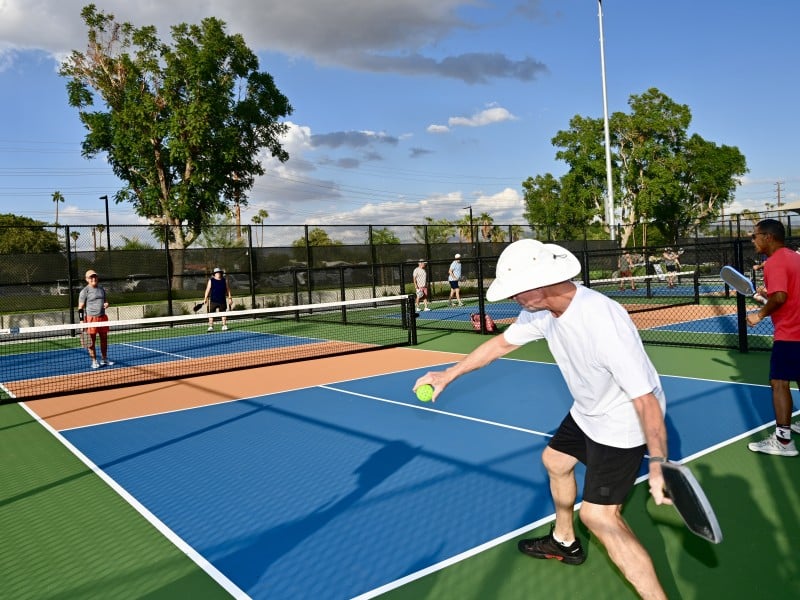
Demuth Park’s long-awaited pickleball expansion opens in Palm Springs, nearly doubling court capacity
An estimated 300 picklers of all ages turned out to celebrate and test out the 22 new courts on Wednesday.
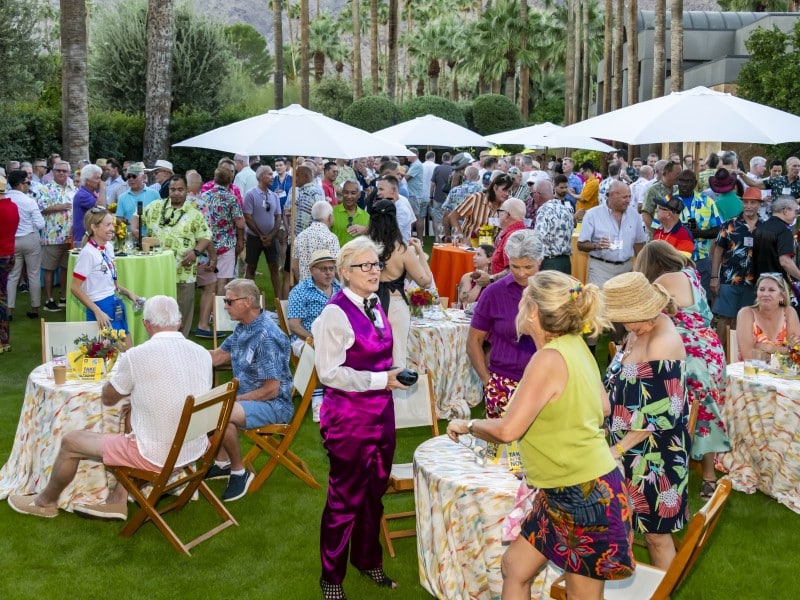
Photographer and Variety editor to be honored at 25th HRC Palm Springs Garden Party
Michael Childers and Marc Malkin will receive awards Nov. 7 at the Dinah Shore Estate. Tickets are available now.

Palm Springs prepares for strong El Niño with growing CERT ranks
Hundreds of residents have already received emergency training, and demand remains high as the city and volunteer groups brace for possible flooding and other severe weather.