
Town hall is first step as school district officials aim to improve response to hate speech incidents
Community members at a meeting organized by the African American Parent Advisory Council Monday evening urged clearer policies, consistent enforcement.
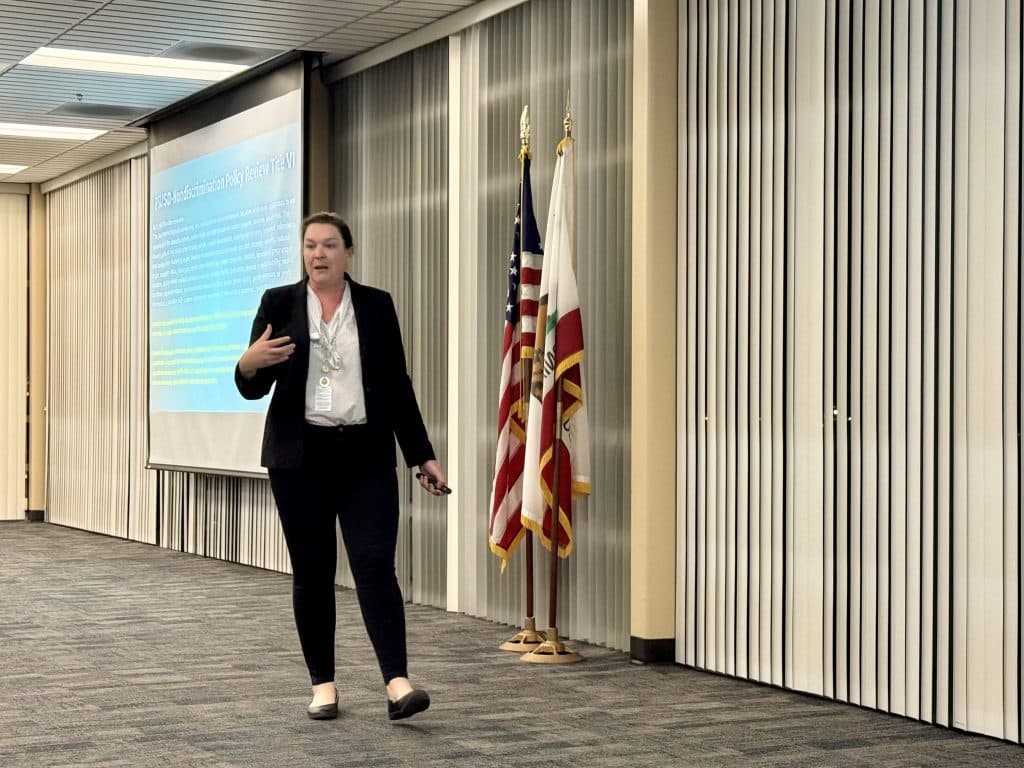
Palm Springs Unified School District officials heard calls for improved communication and accountability in addressing hate speech during a town hall meeting Monday. Students, parents, and community members shared personal experiences and urged the district to implement clearer policies and more consistent enforcement.
The African American Parent Advisory Council (AAPAC) organized the event to gather input on the district’s handling of hate speech incidents. Attendees expressed concerns about varying disciplinary measures across school sites and grade levels.
Local reporting and journalism you can count on.
Subscribe to The Palm Springs Post
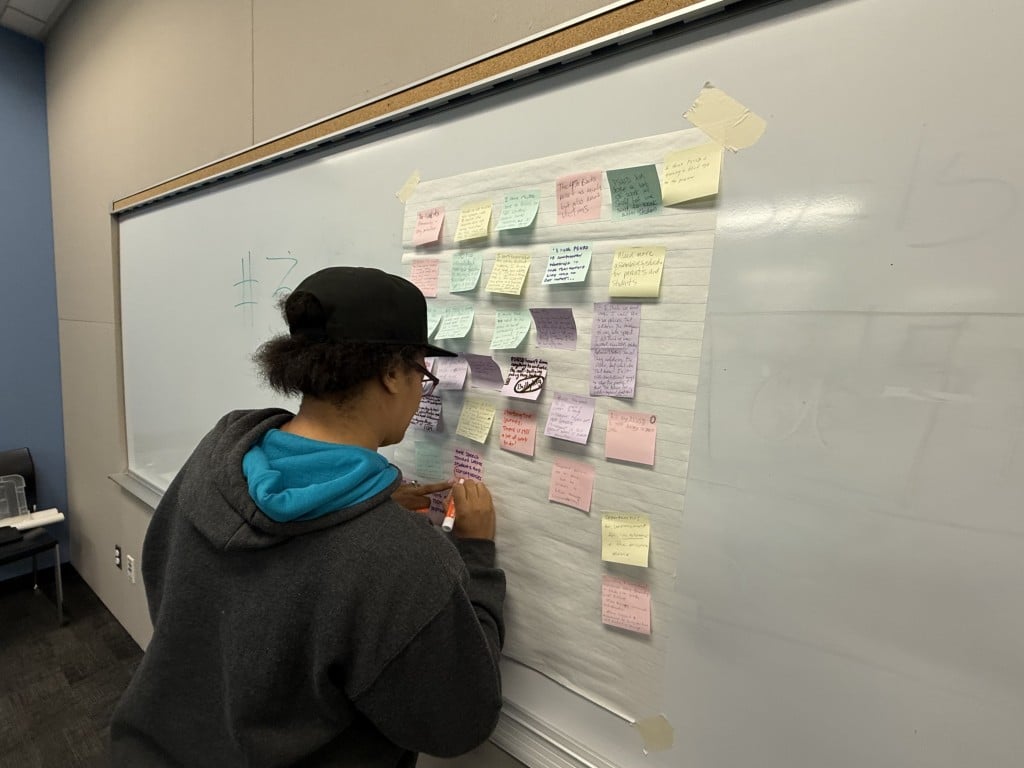
“I think we need work,” one participant wrote when asked to identify improvements the district could make. “I would like to see policies that address the consequences of using hate speech. I don’t think we have universal, equitable practices.”
Students who attended the meeting recounted incidents of racial slurs and discriminatory behavior on campus. One Black student athlete described being targeted with a racial slur during a football game against another school.
“On the ground like a monkey,” the student recalled hearing from an opposing team’s sideline after being knocked down during play.
Parents also shared concerns about their children’s experiences. One mother described her 9-year-old daughter, who has autism, being teased about her size and skin color at her elementary school.
“She got attacked by the little girl, and they had a fight,” the mother said, explaining that her daughter was scared to return to school after the incident.
District officials emphasized their focus on education and support rather than punitive measures for hate speech. Dr. Antonia Hunt, director of Title IX and Compliance for the district, explained that federal and state laws protect students from harassment but also limit the district’s ability to share disciplinary actions due to privacy regulations.
“California Education Code does not allow for that,” Hunt said, addressing expectations of immediate suspensions for hate speech. “We have to demonstrate the other means of correction that have been utilized before suspension can be issued.”
Hunt highlighted the district’s non-discrimination policy and multiple reporting options, including anonymous platforms, for hate speech incidents. She stressed the importance of documenting concerns to establish patterns of behavior.
Suggestions for improvements from the audience included implementing staff and student training and updating curricula to incorporate inclusive education on racial and ethnic diversity, ongoing community engagement through surveys and town halls, and updates to board policies that align with current social issues.
Improving communication with families about handling hate speech incidents was also a priority, aiming to foster a more supportive educational environment.
Afterward, Hunt said district officials will use the town hall input to refine policies and improve communication with families. She acknowledged the need to better inform the community about existing protections and reporting procedures.
“It’s about receiving that information to ensure that we see where the gaps in our systems lie so we can start filling them in,” she said. “If we haven’t communicated that effectively to our community, then it’s not doing us a lot of good if we’re not sharing the information.”
Author

Related Articles

School district, COD launch new program for high schoolers to earn college credits and even a degree
The new program will let students earn high school and college credit together and will coincide with the opening of the COD Palm Springs campus next year.

College of the Desert earns full reaffirmation of accreditation through 2031
The Accrediting Commission for Community and Junior Colleges closed out a yearlong follow-up review focused on the college’s governance practices, officials said.

Two candidates announce for PSUSD Trustee Area 4 seat in November election
Incumbent Charlie Ervin seeks a second term while retired superintendent Tony Signoret enters the race, setting up a contested election for the Palm Springs Unified School District board seat.