
City Council pledges to address past inequities at Section 14 with new initiatives
“We know that we as a city need to right that wrong and in today’s Closed Session we collectively agreed on a number of steps to accomplish that goal,” Mayor Jeffrey Bernstein said in a statement.

More than two years after city officials vowed to address the city’s role in the forced evictions of residents of Section 14 in the late 1950s through the mid-1960s, it appears they are closer to determining what that looks like.
Following a closed session Thursday afternoon, which once again drew multiple public comments urging the city to move forward with efforts to make amends for its role in the evictions, Palm Springs Mayor Jeffrey Bernstein said the City Council has pledged to address historical injustices, including the displacement of minority groups, through a series of new initiatives aimed at promoting equity and healing.
Local reporting and journalism you can count on.
Subscribe to The Palm Springs Post
Through a statement released to the media Thursday evening, the Council acknowledged that city funds were previously used to clear land housing tenants, including minority groups, particularly in the Section 14 area. In response, they have agreed on several steps to rectify these past wrongs.
“My colleagues and I recognize that city funds were used to clear land which housed individuals and families who were tenants on the property, including minority groups,” Bernstein said. “We know that we as a city need to right that wrong and in today’s Closed Session we collectively agreed on a number of steps to accomplish that goal.”
A significant part of the Council’s plan involves contributions to a Community Land Trust to facilitate more affordable housing. Additionally, the Council is reviewing a new small business entrepreneur pilot program with Caravanserai, indicating a potential for expanded funding.
The Council is also considering the feasibility of establishing a healing or cultural center, dedicating an art installation, and renaming a community park to honor the history and survivors of Section 14. A day of remembrance and a historical context study are also proposed measures to acknowledge and learn from past actions.
City staff have been directed to coordinate with various levels of government for potential funding for these projects.
Section 14 is a prime section of city land that belongs to the Agua Caliente Band of Cahuilla Indians. Roughly 60 years ago, it housed a majority of the city’s minority population, including many of its Black and African-American residents who leased land from the tribe and built their homes. Residents were forced out of those homes when white business owners sought to develop the land following the 1959 Indian Leasing Act.
In September 2021, the Council voted to formally apologize for the city’s role in evictions on that land, including the controlled burning of homes that were cleared to make way for development. It also approved removing a statue of the city’s mayor at the time from in front of City Hall.
In 2022, a nonprofit organization partnered with the Section 14 Survivors group, filing a claim against the city that sought what they estimated could be billions of dollars in reparations. City officials agreed to consider several different approaches to settling the claim.
Among the proposals put forward in 2022 — outlined in the staff report here — were payments to direct survivors and assistance in building housing and providing access to education for descendants and “the community at large” that suffered long-term damage due to the city’s participation in the events that took place in Section 14.
An attorney for the group said late Thursday she was optimistic about collaborating with the city and moving forward.
“On behalf of the Palm Springs Section 14 Survivors, we are encouraged that the City of Palm Springs has heard our call for justice and has committed to taking tangible steps to make the Section 14 Survivors whole,” attorney Areva Martin said through a written statement. “We look forward to working closely with the City Council to reach a reasonable and just resolution, so that we can turn a page on this chapter of Palm Springs’ history and move forward.”
Author

Related Articles
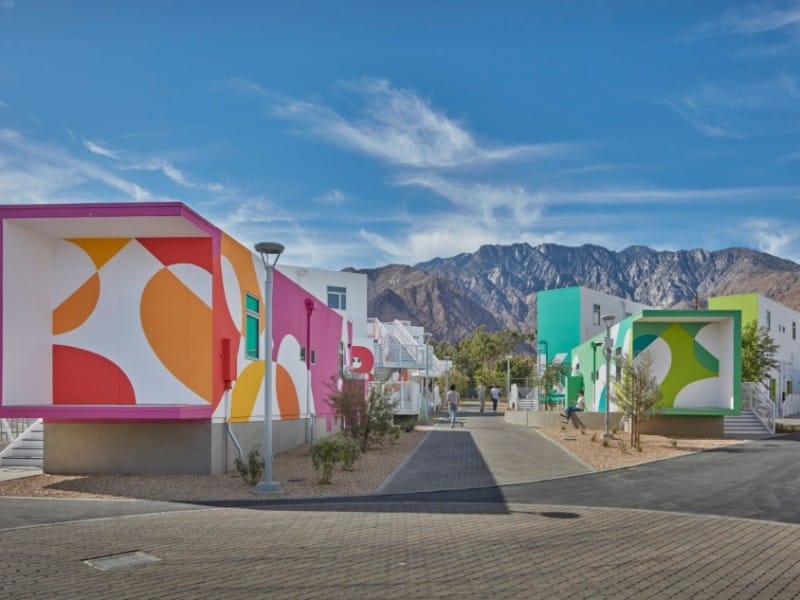
Palm Springs Homeless Navigation Center wins two national architecture awards
The American Institute of Architects honored the facility with a 2026 Architecture Award and a Housing Award in the Specialized Housing category.

Palm Springs council candidates weigh in on Flock cameras, stalled hotels, more at forum
Five candidates for three seats also addressed traffic safety and the library renovation at a forum hosted by Organized Neighborhoods of Palm Springs.
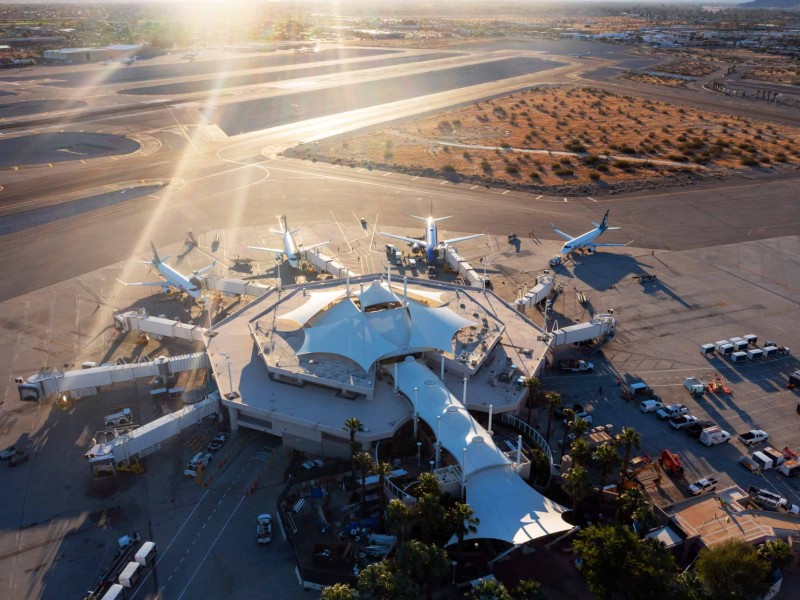
Palm Springs airport study finds economic impact tops $2.55 billion
Nearly 97% of the airport’s overall economic impact stayed within the Coachella Valley, the study found, and more than half occurred within the city of Palm Springs.