
Wildlife advocates push Palm Springs to go pesticide-free in city parks
The advocates said they are treating increasing numbers of poisoned animals at a new wildlife center in Indio, including coyotes with severe mange caused by eating rodents that consumed poison from bait boxes.
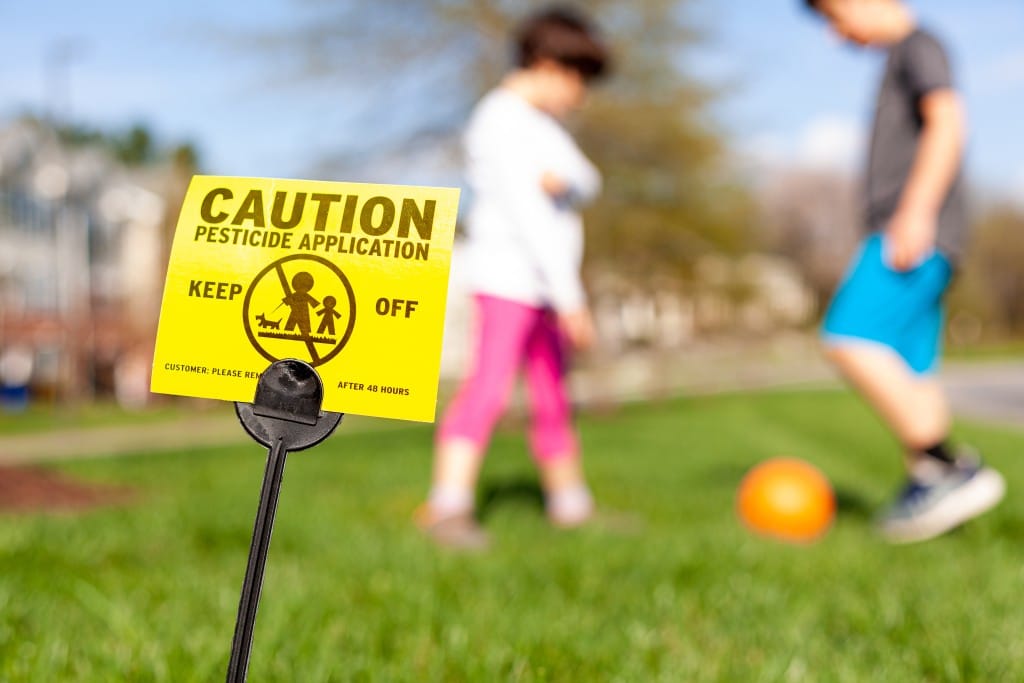
Representatives from Greater Palm Springs Animal Allies asked the city’s Parks and Recreation Commission Monday to reduce pesticide and rodenticide use in the city’s 312 acres of parkland to protect desert wildlife that is being poisoned at alarming rates.
Tamara Hedges and Linda Talley, both board members with the organization that operates the Palm Springs Animal Shelter and other Coachella Valley animal facilities, presented data showing a catastrophic decline in world wildlife populations and widespread poisoning of local animals. The group recently opened the Desert Wildlife Center in Indio, the only licensed wildlife rehabilitation center in the Coachella Valley.
Local reporting and journalism you can count on.
Subscribe to The Palm Springs Post
“Over the last 50 years, the World Wildlife Fund studies have shown that there is a catastrophic 73% decrease in global wildlife populations,” Talley said. “600 million birds die each year from poisoning. 88% of our raptors that are tested have poison in their systems, and 83% of coyotes tested have toxic poisoning.”
The advocates said they are treating increasing numbers of poisoned animals at the new wildlife center, including coyotes with severe mange caused by eating rodents that consumed poison from bait boxes. The toxins move through the food chain, affecting everything from songbirds to mountain lions and domestic pets.
“Poison doesn’t discriminate,” said Mikah Curtis, the wildlife center’s director, in a statement read by the advocates. “Poisons can easily make their way into the food chain and negatively impact multiple species at once, not just the pest you’re trying to get rid of.”
The organization proposed alternative pest management strategies using what they call “RED” — repel, exclude and deter. These methods include using natural repellents like peppermint oil and cinnamon, sealing entry points to buildings, and eliminating food sources that attract rodents.
“We really have been kind of brainwashed about rodents and thinking how awful they are, but they have a big role in our desert ecosystem,” Talley said. “The rodents prey on unwanted insects, and they sustain our carnivore biodiversity by feeding other animals.”
The advocates also raised concerns about tree trimming during bird nesting season from February through September, saying they receive numerous calls about birds injured by clippers and displaced baby birds when nests are destroyed.
Hedges said the group wants to work with the city to investigate current pesticide practices and educate the community about alternatives. She noted that many other cities have adopted earth friendly management programs that restrict pesticide use while maintaining safe public spaces.
“We envision signs everywhere in our parks and public spaces to say that we are poison free so feel free to sit on the grass and, you know, have your pets on the grass, and kids,” Hedges said.
The presentation was part of a broader effort by the organization, which previously spoke to the city’s Sustainability Commission on Earth Day. An ad hoc committee with that commission is now working on a “poison free Palm Springs” initiative.
Parks and Recreation Director Nicholas Gonzalez said the city has an environmentally preferable purchasing policy that could be enhanced to reduce pesticide use. The department manages 11 parks with various amenities and works with contractors for landscaping maintenance throughout the park system.
The commission took no formal action on the presentation but received the information for future consideration.
Author

Related Articles

Palm Springs composting fines never issued, subcommittee member says
Enforcement gaps in multi-family housing, a possible plastic bottle ban at city events, and a new sustainability badge for short-term rentals were among topics at the monthly Waste Reduction Subcommittee meeting.
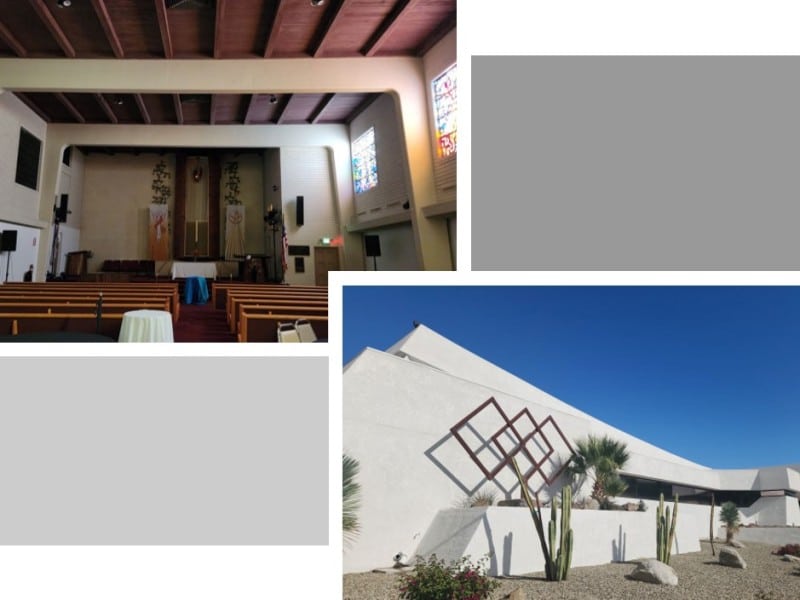
Palm Springs preservation board recommends historic designation for Temple Isaiah
The 70-year-old synagogue on Alejo Road was founded by concentration camp survivors; its layered architecture spans Modernist, Mid-Century, and Brutalist design phases.

City, tribal leaders postpone June meeting on warehouse development
The delay will give the developer more time to respond to public comments and review technical issues tied to the proposed 2.85 million-square-foot project.