
This weather blows: Experts link harsher wind conditions to post-storm silt, not stronger or more frequent gusts
Are you feeling like this season’s winds have been worse? Meteorologists say it’s most likely an uplift in silt from past flooding that’s impacting air quality in the Coachella Valley.

Windy weather is nothing new to longtime locals during the spring months. But if it seems worse this year than in years past, you might be onto something.
As May nears an end, Palm Springs and the rest of the Coachella Valley are stuck in the middle of the windiest time of year. Much of the valley’s wind can be blamed on the San Gorgonio pass and the difference in temperature between the Coachella Valley and the rest of the Inland Empire.
Local reporting and journalism you can count on.
Subscribe to The Palm Springs Post
This year, however, some locals have said there’s more wind, that it feels stronger, and that their throats are scratchier.
Have the winds gotten measurably stronger? No, said Alex Tardy, warning coordination meteorologist for the National Weather Service out of San Diego. But other factors are at play to make windy days seem worse for everyone.
According to Tardy, the frequency of recent winds is due primarily to the weather pattern over the last year that has extended into spring. That typically means rain along the coast but winds on our side of the mountains. He said that though the frequency or intensity of the winds hasn’t increased, it might be more disruptive.
The recent winds have shut down major roads in Palm Springs, exacerbated allergies, and left a fine grainy film over cars and outdoor furniture.
“The reason for some of the increased dust is the historical August 2023 flooding in the north end of the valley,” he said via email, referring to the storm that hit the desert after Tropical Storm Hilary made landfall further south.
The rains and subsequent floods left behind a layer of silt, which is picked up by the heavy winds. With more rain and flooding than average, even if the amount and speed of wind stay the same, the air quality will be worse because there is more to pick up.

Connie Villanueva with the South Coast Air Quality Management District (SCAQMD), which issues air quality advisories, said that 10 windblown advisories have been issued since the beginning of the year. During the same time period last year, there were eight wind advisories, but there were 12 during the year before.
Despite recent windy evenings and that sinking feeling of waking up to a fine layer of dust settling over your car, Villanueva said preliminary results indicate the level of particulate matter has now returned to conditions seen before Tropical Storm Hilary.
Villanueva said SCAQMD forecasters are still researching what exactly is leading to the high levels of particulate matter in the desert. She said these events with high levels of particulate matter most often occur when winds blow from the northwest and lift “locally generated sources of fugitive dust from construction activities, agriculture, paved and unpaved roads, and natural areas.”
In short, the wind itself hasn’t gotten more frequent or stronger, but the effects from Tropical Storm Hilary loosened up a lot more silt than usual, leading to worse air quality and more visible dust in the air.
The most recent wind advisory just expired last night. Still, SCAQMD recommends anyone interested in learning more about their local air quality download their app to get air quality alerts and learn how to protect sensitive groups from poor air quality.
More information: Want to know if your neighborhood is in a high wind zone? Local realtors have created a helpful graphic to warn homebuyers if they’re looking in windy areas.
Author

Related Articles
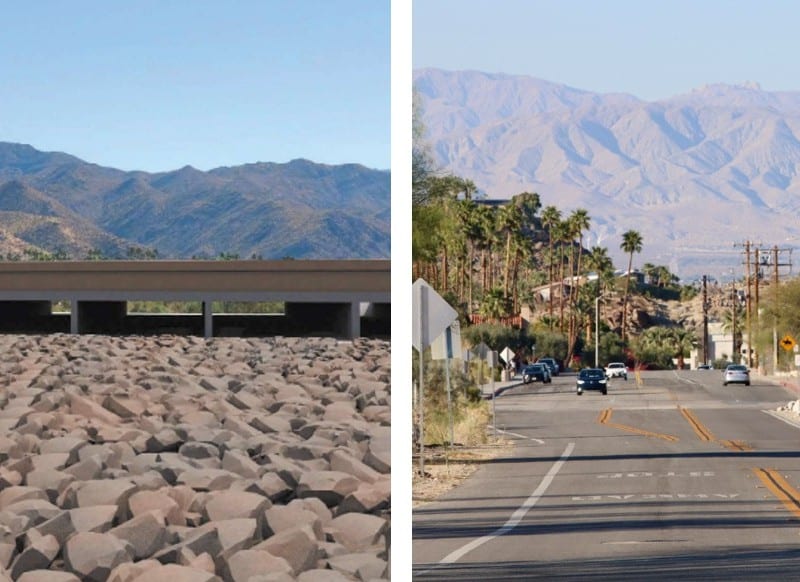
City: Bridge project faces minimum 2-year delay amid environmental lawsuit
An organization has filed suit challenging the city’s approval of a flood-control bridge design on South Palm Canyon Drive. The move will threaten federal funding and push back a project nearly two decades in the making.
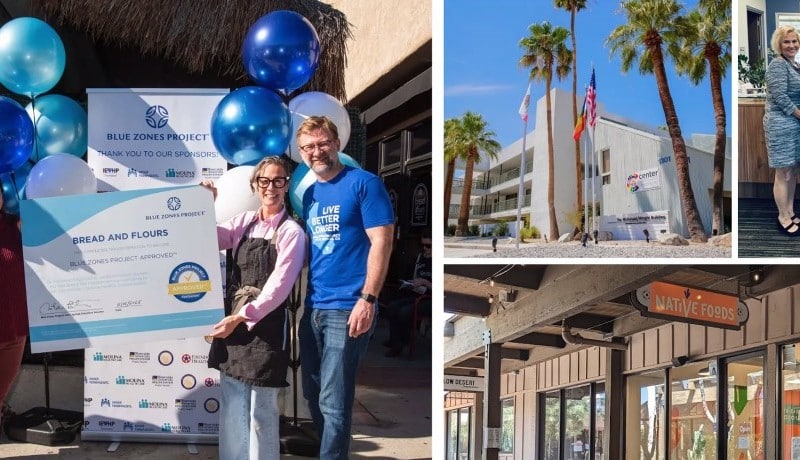
Blue Zones Palm Springs marks one year, sets sights on schools, restaurants and city partnerships
The organization spent its first year building relationships, identifying partners and establishing a foundation for long-term change in the community.
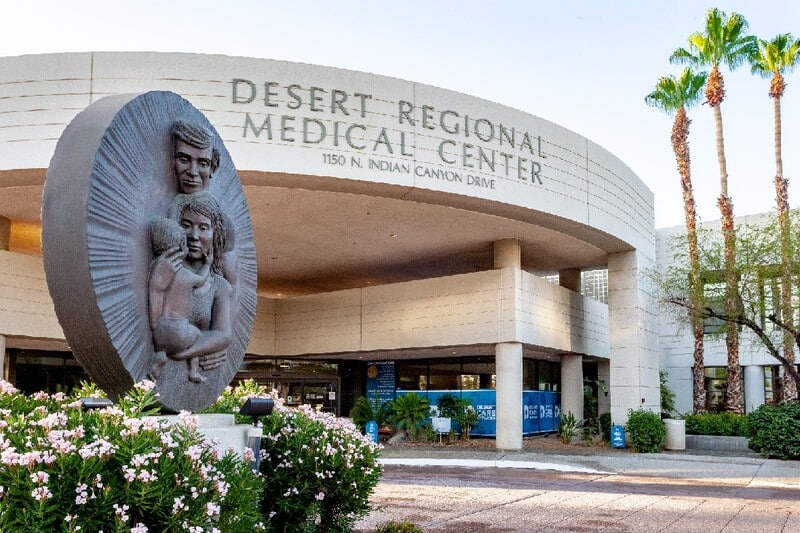
Survey: Palm Springs residents face many of the same health challenges seen across the Coachella Valley
A new study reveals the biggest surge in hunger in a decade and a regional doctor shortage leaving thousands without care.