
Section 14 survivors, descendants, others confront City Council over delay in reparations
The council chambers were filled Thursday night with community members demanding action on long-standing promises of restitution for the forced removal and burning of homes.
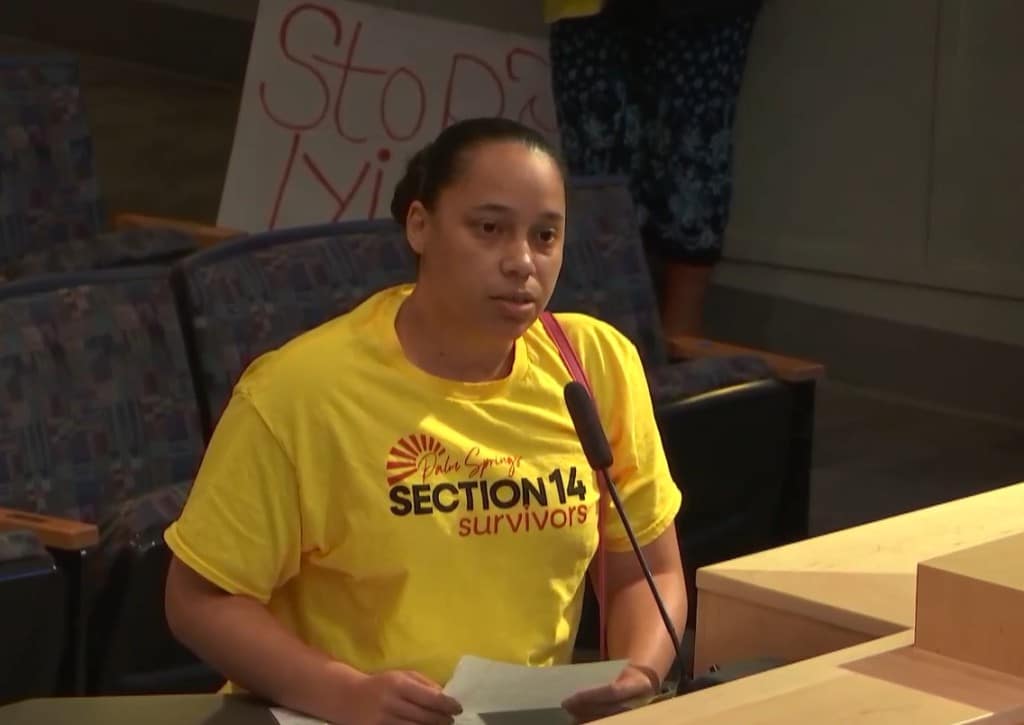
The Palm Springs City Council faced intense criticism Thursday night as survivors and descendants of Section 14 voiced their frustration over delayed reparations for the historically Black neighborhood’s destruction in the 1960s.
The council chambers were filled with community members demanding action on long-standing promises of restitution for the forced removal and burning of homes in Section 14, a part of the Agua Caliente Indian Reservation where many Black and Hispanic residents lived. They spoke during a pubic comment period, echoing what many shared during a rally at City Hall Wednesday evening.
Local reporting and journalism you can count on.
Subscribe to The Palm Springs Post
Pearl Devers, a Section 14 survivor who has long advocated for the residents as part of the Section 14 Survivors organization, set the tone for the evening, expressing deep disappointment in the council.
“For years, you have shamefully strung me and other Section 14 survivors along with promises made, promises broken,” Devers said.
Many speakers highlighted the urgency of action, noting that survivors are aging and passing away. They referred to recent communications between the city attorney and attorneys representing the Section 14 Survivors organization, where the city appeared unwilling to negotiate any further after making a settlement offer earlier this year that included direct cash payments of $4.3 million.
An earlier decision to defer discussions and conduct a historical study was met with particular ire. One speaker criticized the move as “just another delay tactic.”
The choice of firm to conduct the historical study was also a point of contention. Robert D. Giles, a professor of ethnic studies, questioned the decision, stating, “(Y)ou are trying to rewrite the history again by not giving us the privilege of sitting on any type of board that is going to do the research.”
Several speakers referenced previous statements and commitments made by council members.
“Miss Holstege, you estimated that Section 14 families lost a total of $46 million in 2021,” said Kenneth Monteiro, speaking to Councilmember Christy Holstege, an early champion of reparations who stood with the survivors group during an initial news conference. “But you offered us less than 10% of that in 2024.”
The emotional impact and generational effects of the Section 14 destruction were emphasized throughout the evening.
“I was born here as a child, as a Black child who was not allowed to be born in a hospital here” said Michael Murrell. “My parents had to drive to Indio.”
Promises of continued protests and legal action were also made if the city doesn’t come back to the table promptly.
“We’re going to be in these streets. We’re going to be downtown Palm Springs,” Areva Martin, an attorney representing Section 14 survivors, warned. “We’re going to be in the halls of Sacramento, we’re going to be in the halls of the U.S. Congress.”
The council did not provide immediate responses to the speakers during the public comment period.
Author
Related Articles
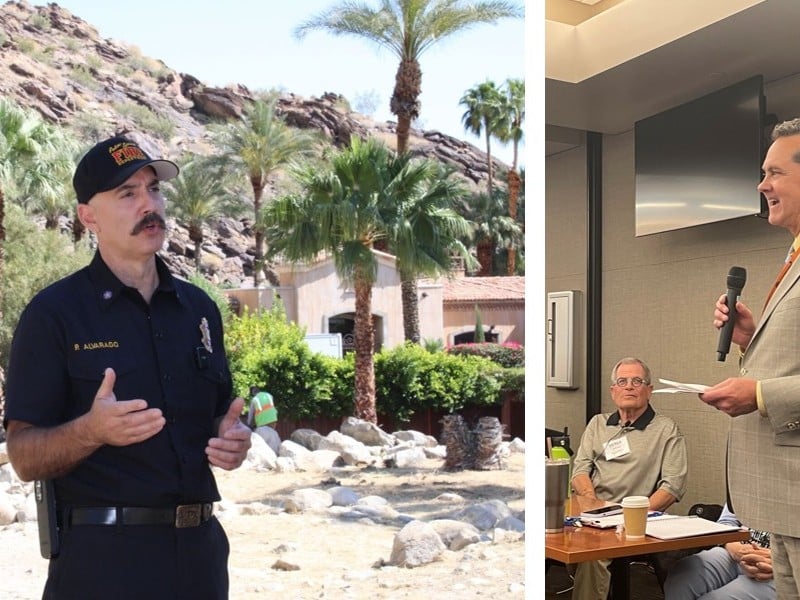
City leaders, public thank retiring city manager and fire chief, list their accomplishments
Council members and residents praised Scott Stiles and Paul Alvarado Wednesday for storm response and public service. Both men gave the credit to their staffs and the community.

Temporary dog park approved for Victoria Park; Demuth Park project progressing
Parks commissioners backed a pop-up pilot with Blue Zones Palm Springs that will open Dec. 11 and run through about the end of January, with a resident survey to gauge interest in a permanent site.
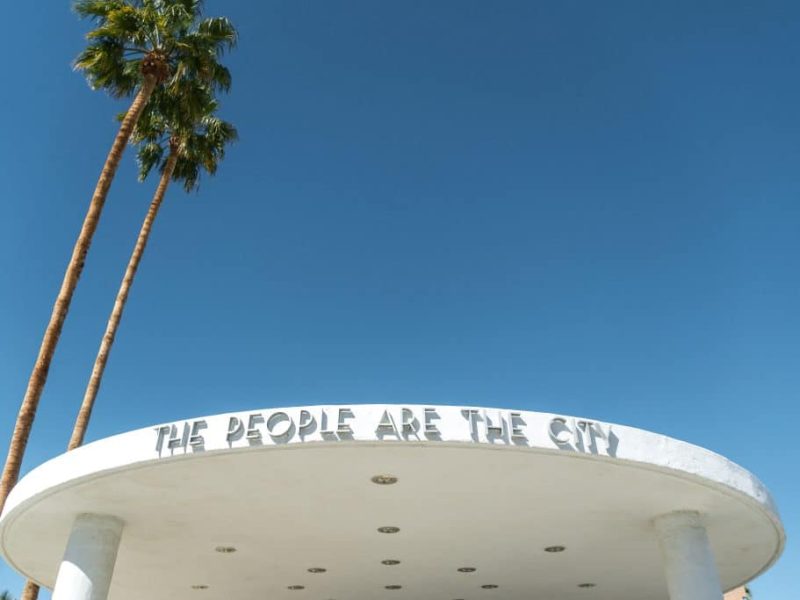
This week at City Hall: Planning Commission to weigh delivery hub; City Council postpones underground utility hearings
A proposed warehouse on 19th Avenue, a pop-up dog park and a canceled public hearing on a nearly $10.1 million utility project top meeting agendas this week.