
Planning Commission delays decision on Chick-fil-A project, requests additional traffic analysis
Dozens of letters to the commission were submitted prior to Wednesday’s meeting. A majority took issue with the millions of dollars the fast-food chain has donated to anti-LGBTQ groups.
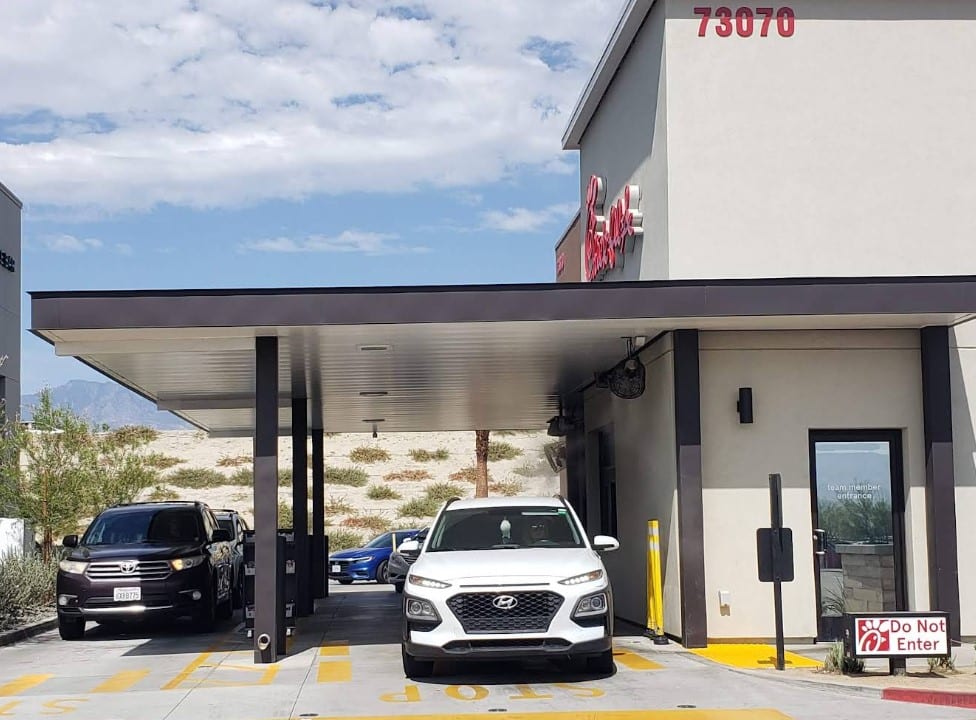
The Palm Springs Planning Commission has continued the hearing for Chick-fil-A’s proposed restaurant at The Springs Shopping Center, citing concerns about traffic impacts and requesting further studies.
The project, which would replace an existing vacant retail building off Ramon Road, includes a 5,707-square-foot restaurant with 78 indoor seats, 24 outdoor seats, and three drive-through lanes accommodating up to 49 vehicles. The project would require demolition of an existing 21,452-square-foot vacant retail building.
Local reporting and journalism you can count on.
Subscribe to The Palm Springs Post
During their Wednesday evening meeting, commissioners sought more information on internal circulation within the shopping center and the effects of the proposed triple drive-through lanes.
Commissioners noted existing traffic congestion issues within the shopping center, particularly near bank and fast food areas.
“I use the shopping center about three times a week,” said Chair Kathy Weremiuk. “It seems there is a relative lack of visible pavement markings throughout the center, such as stop bars, stop lettering and directional arrows.”
The commission also raised questions about the environmental impacts of 49 idling cars in drive-through lanes.
“When these drive throughs, these queuing lanes get close to capacity, they’re getting to be full,” Commissioner David Murphy noted. “What is the behavior of the consumer? Do they just leave the restaurant entirely and decide to go somewhere else? Or do they park, get out of their car and go into the restaurant to eat?”
In response, David Peck, operator of Chick-fil-A Palm Desert, who hopes to build a similar restaurant in Palm Springs, stated that the triple lane design aims to reduce vehicle idling and improve efficiency.
“This allows for us to be able to serve people efficiently, but our total count per hour right now is about 107 to 125 cars hour when we look at drive,” Peck explained.
Weremiuk was quick to point out prior to public comments on the project that the Planning Commission’s only role is to decide whether the proposal meets land use guidelines, not whether it’s appropriate to allow the corporation to do business in the city.
Dozens of letters to the commission were submitted prior to the meeting. A majority took issue with the millions of dollars the fast-food chain has donated to anti-LGBTQ groups.
Commissioners did support a suggestion by Planning Director Christopher Hadwin that city staff work with experts to determine the appropriate level of analysis needed.
“Rather than saying the addendum is required, perhaps send it back to staff to work with the experts and the attorneys to see what level of analysis is needed to address these concerns,” Hadwin advised.
The commission also requested a comprehensive plan from the property owner to address landscaping and tree maintenance throughout the center. Weremiuk noted, “I would very much like to see a plan for the serious plan from the owner regarding the trees. And not just on this site, but the trees inside The Springs.”
The Planning Commission voted unanimously to continue the hearing to an uncertain future date, allowing time for the applicant to provide additional information and analysis. The motion included requests for studies on internal traffic circulation, the impact of the triple drive-through lanes, and a comprehensive landscaping plan for the entire shopping center.
Author

Related Articles
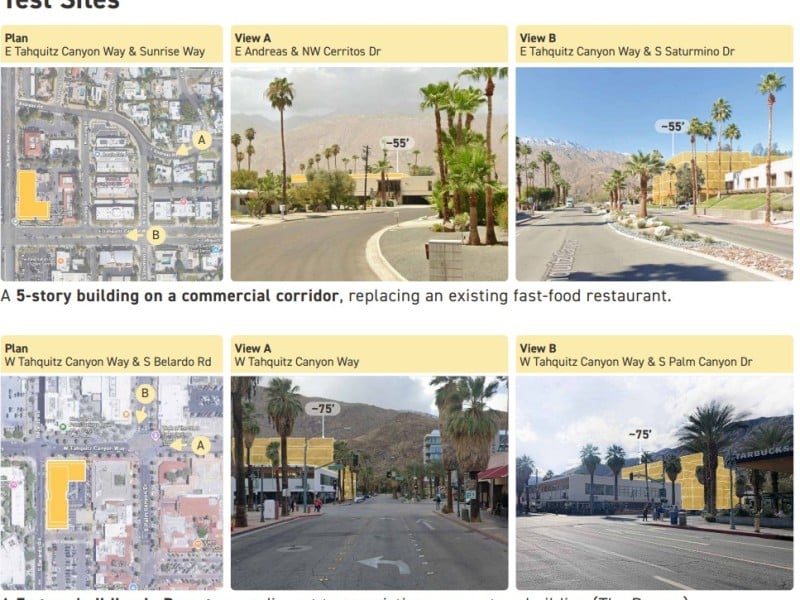
‘A starting point’: Planners stress zoning maps aren’t finalized at virtual meeting
Following a heated in-person meeting last week, city staff emphasized Wednesday that controversial proposals for building heights and density remain in the draft stage.
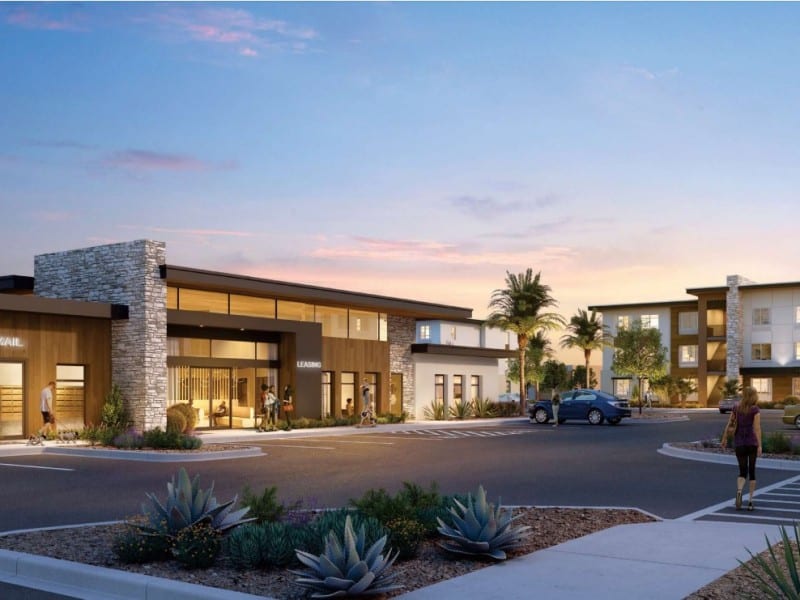
Planning Commission advances 115-unit affordable housing project
The commission unanimously approved the project’s development permit, with a few small requests such as adding benches and potentially tweaking one of the buildings.
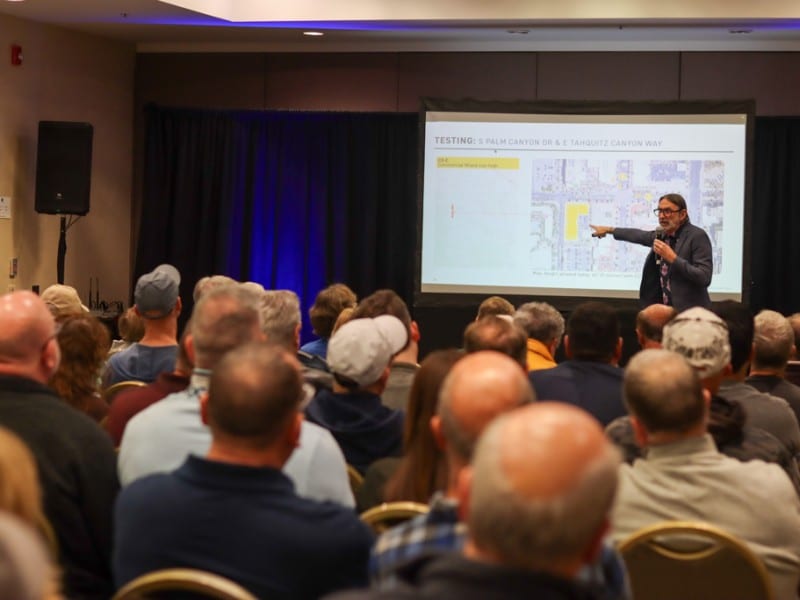
Residents push back on five-story developments near neighborhoods at community meeting
Homeowners worried about property values as city proposes allowing taller buildings near single-family neighborhoods to address workforce housing crisis.