
Palm Springs OKs controversial co-owned housing ordinance
The ordinance establishes a regulatory framework for companies like Pacaso that purchase residential properties and sell ownership shares to multiple buyers.
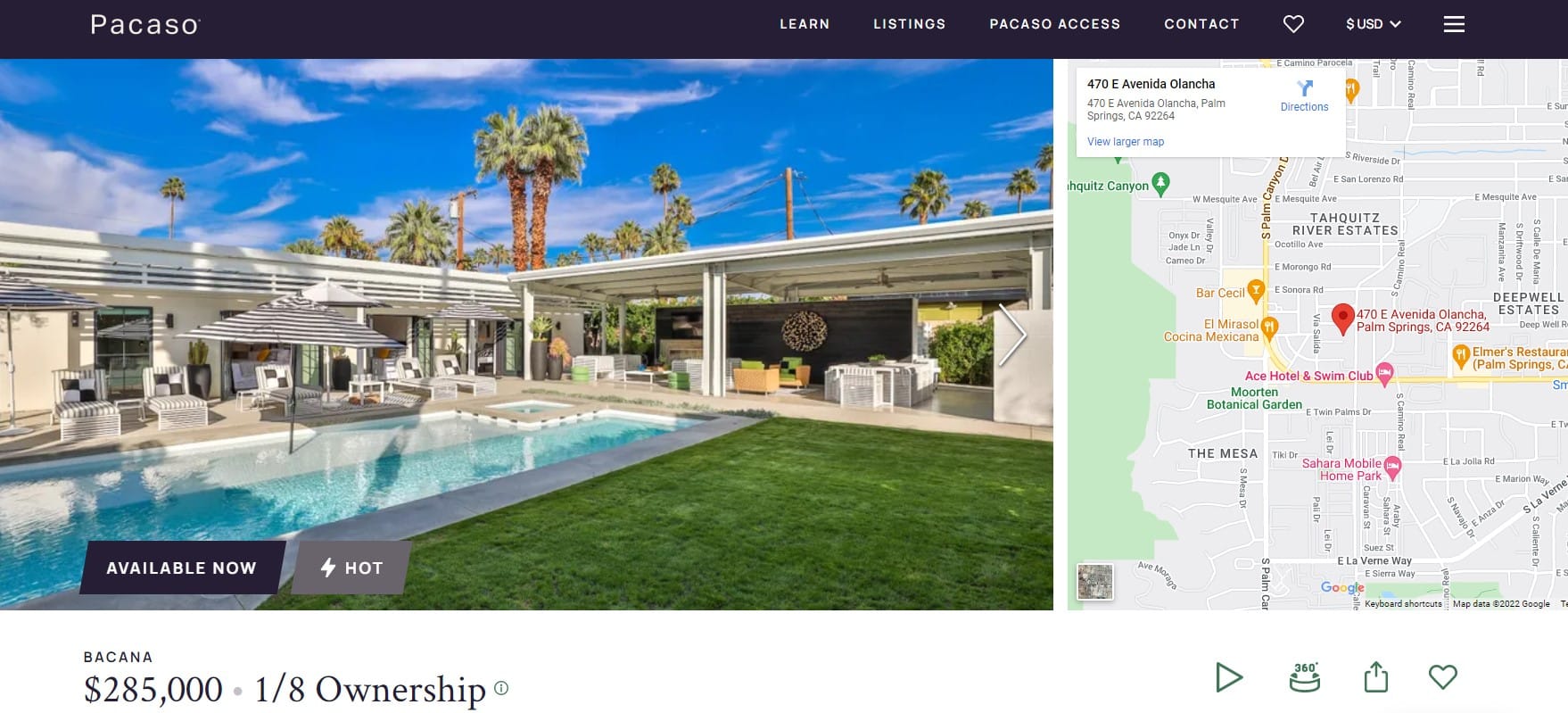
The Palm Springs City Council voted Tuesday night to approve a controversial new ordinance regulating co-owned housing units, allowing up to 30 such properties citywide despite concerns raised about impacts on affordable housing and neighborhoods.
The ordinance establishes a regulatory framework for companies like Pacaso that purchase residential properties and sell ownership shares to multiple buyers. It requires co-owned housing units to obtain permits similar to vacation rentals and imposes strict regulations on their operation.
Local reporting and journalism you can count on.
Subscribe to The Palm Springs Post
“We’ve worked for a long, long time on this,” said Councilmember Christy Holstege, who supported the ordinance. “Pacaso has really given so many concessions and addressed the issues that council has raised as concerns.”
Key provisions include capping the number of co-owned units at two per neighborhood and 30 citywide for the next three years. The ordinance also prohibits co-owned units in neighborhoods where the vacation rental percentage cap has been met and requires properties to be valued at least twice the median home price.
Mayor Jeffrey Bernstein and Councilmember Grace Garner strongly opposed the ordinance, arguing it would negatively impact housing affordability and availability.
“We’ve seen homes being sold for five times the amount that they were purchased for,” Garner said. “I don’t think that this helps. I think we just need to be moving away from these types of things so that we can encourage the sale of homes for more modest means.”
Bernstein added: “I do not think this is something that we need in our city. We already have an abundance of vacation rentals.”
However, Councilmember Lisa Middleton characterized the ordinance as a “responsible compromise,” noting it imposes much stricter regulations than initially proposed two years ago.
The ordinance establishes graduated penalties for violations, with fines up to $10,000 per violation. It also imposes strict regulations on noise, parking, occupancy limits, and prohibits commercial uses like weddings and events.
Mayor Pro Tem Ron deHarte proposed several amendments to strengthen the ordinance, including increasing penalties for noise and nuisance violations and clarifying language around permit revocations.
A key point of debate centered on how to handle repeated violations and potential permit revocations. City Attorney Jeffrey Ballinger acknowledged challenges in enforcing revocations given the co-ownership model.
“Ultimately, it’s going to be up to [the] court in terms of how willing a court is going to be to enforce those remedies,” Ballinger said.
The council directed staff to further research options for handling repeated violations and report back before the second reading of the ordinance.
Notably, the five existing Pacaso properties in Palm Springs will be subject to the new regulations, despite earlier discussions of potentially exempting them.
The ordinance passed with Bernstein and Garner opposed. It will return for a second reading before taking effect.
Author

Related Articles

Palm Springs seeks public input on next police chief
City officials say a new survey will help identify the leadership qualities residents want in a successor to retiring Police Chief Andy Mills.

Overflow crowd debates elected mayor idea at first of seven Palm Springs meetings
About two dozen speakers split nearly evenly on replacing the rotating mayor with an elected one, as accountability and diversity emerged as the dominant themes.

Palm Springs preservation board clears way for demolition at Swim Center
The Historic Site Preservation Board found the 1975 office building lacks sufficient historic significance, allowing the city’s renovation project to move forward with standard permitting.