
Palm Springs joins other valley cities in temporary ban on data centers
The city council on Wednesday approved a 45-day moratorium, citing water, power, and land-use concerns raised by residents and staff.
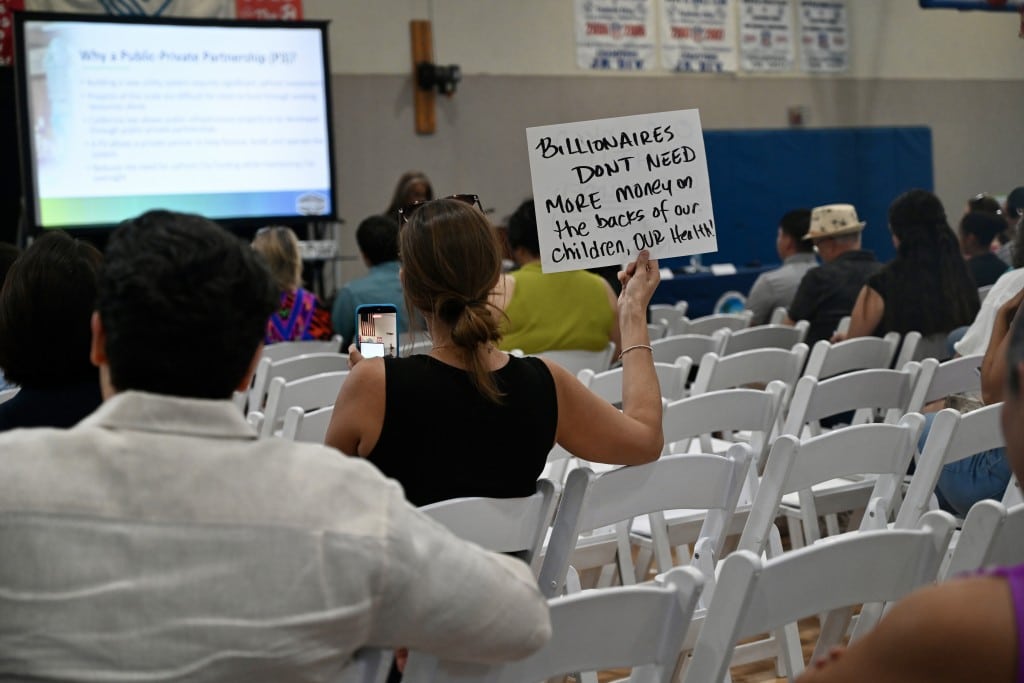
The Palm Springs City Council approved an urgency ordinance on Wednesday that places a temporary ban on data centers, becoming the latest Coachella Valley city to prohibit new construction of the fast-growing and controversial facilities.
The temporary moratorium will prohibit the city from accepting, processing or approving any applications, permits or other approvals related to data centers while the city considers longer-term decisions on data centers as part of the ongoing citywide zoning code update.
Local reporting and journalism you can count on.
Subscribe to The Palm Springs Post
The moratorium was considered at the request of Councilmember Grace Garner.
“There’s so many different technological advances, and it’s really important that we are cautious and thoughtful in our planning for all of these. And as we’ve seen in other communities across the country who have not had that happen, there are really huge detriments, and we don’t need that to happen here in our community,” Garner said Wednesday evening.
The urgency ordinance defines a “data center” as “a structure or site used primarily for the storage, management, processing, and transmission of digital data and that houses computer or network equipment, systems, servers, appliances, and other associated components related to digital data storage, processing, and related operations.”
Currently, the city’s municipal and zoning codes don’t include any definitions or regulations related to data centers. But in general, under the city’s zoning ordinance, “any uses that are not specifically permitted are prohibited,” according to the city staff, meaning that data centers are “arguably” already prohibited in Palm Springs.
The urgency ordinance could clarify this stance and help “avoid any argument to the contrary,” states a city staff report on the ordinance, while the zoning code update process could identify a longer-term solution.
City staff believe the zoning code update “is the appropriate form to study these issues further, with the assistance of our zoning consultants, and so that we can also engage with the community to hear how and if they would like to regulate these uses,” said Christopher Hadwin, the city’s director of planning services.
Potential concerns raised by data centers include environmental factors, which are “well-documented and relate largely to heavy demands on water and electricity needed to cool and power these facilities,” said Hadwin. Other categories of concern include the potential impact on local infrastructure and services, and on employment.
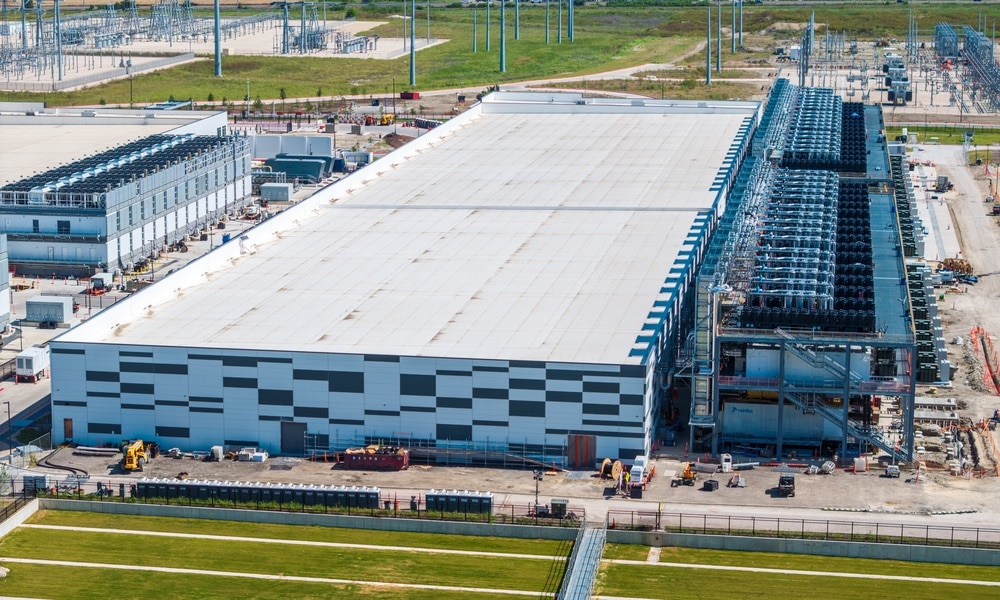
“For us, especially in Palm Springs, we have questions about their impact on our ability to diversify our employment uses and industry. We have a very limited land base here on which we can develop large-scale employment uses, and many data centers consume vast amounts of land with very few permanent jobs. So that’s something we would like to work through and better understand,” said Hadwin.
Several public comments on Wednesday expressed concerns about the potential environmental impact of data centers in the desert.
“The Colorado River is in crisis, and California is taking deep cuts to that water allotment. So the building of data centers anywhere in Palm Springs or the desert, incorporated, unincorporated, is catastrophic and fully irresponsible,” said Lindsay Rowe, a Palm Springs resident.
“Our electric grid and our water supply are operating at their maximum. Data centers would be an incredible burden on all of our utilities. We must consider our local environment at all times,” said Don Soja, who spoke during public comment and is also running for Council District 1. “The data centers will also add very few jobs. It would be a lose-lose for Palm Springs and for the Coachella Valley. I urge you to vote against data centers permanently.”
The city currently appears to have at least one 4,376 square-foot data center on Indian Canyon operated by internet service provider Cognet, according to Cognet’s website.
“This doesn’t mean that we’re anti-technology or closing the door on innovation in Palm Springs. It’s just that the rate of change, as we said, is moving faster than we’ve ever seen, and technology is so powerful. And this is why how we govern actually matters,” said Councilmember Jeffrey Bernstein.
The ordinance covers an initial period of 45 days, as required by state law on urgency ordinances prohibiting specific land uses. After that 45-day period, the city council can extend the urgency ordinance for a total term of one or two years.
Indio, Coachella, and Desert Hot Springs have all also adopted 45-day urgency ordinances that temporarily prohibit data centers in recent months. Desert Hot Springs has since extended its initial moratorium for a total period of two years, and Coachella was to consider a permanent ban on data centers Wednesday night.
Other cities that have placed 45-day or longer temporary bans on data centers include Imperial and Calipatria in Imperial County, and El Monte and Baldwin Park in Los Angeles County. In April, Monterey Park became the first California city to enact a permanent ban on data centers.
Author

Related Articles
Palm Springs art commission approves up to $50,000 for sculpture repairs, adds time capsule to inventory
The Pride Monument was vandalized with the words, “hate, hatred, hated” according to the chair of the Public Arts Commission.
Palm Springs parks commission approves golf fee increase, redesigned Ruth Hardy Park workout pad
Resident rates at Tahquitz Creek’s two city-owned courses would rise about 9%, or $1 to $6 per round. The revised workout pad design heads next to the City Council.
Palm Springs council advances removal of cannabis lounge event provision
Council members said the subsection was unnecessary because the zoning code already governs special events and directed staff to return with an ordinance removing it.