
Historic Merrill Lynch Building recommended for landmark status
The 1971 structure at 415 South Palm Canyon Drive, designed by master architect Donald Wexler, is considered an exceptional example of New Formalist style architecture.
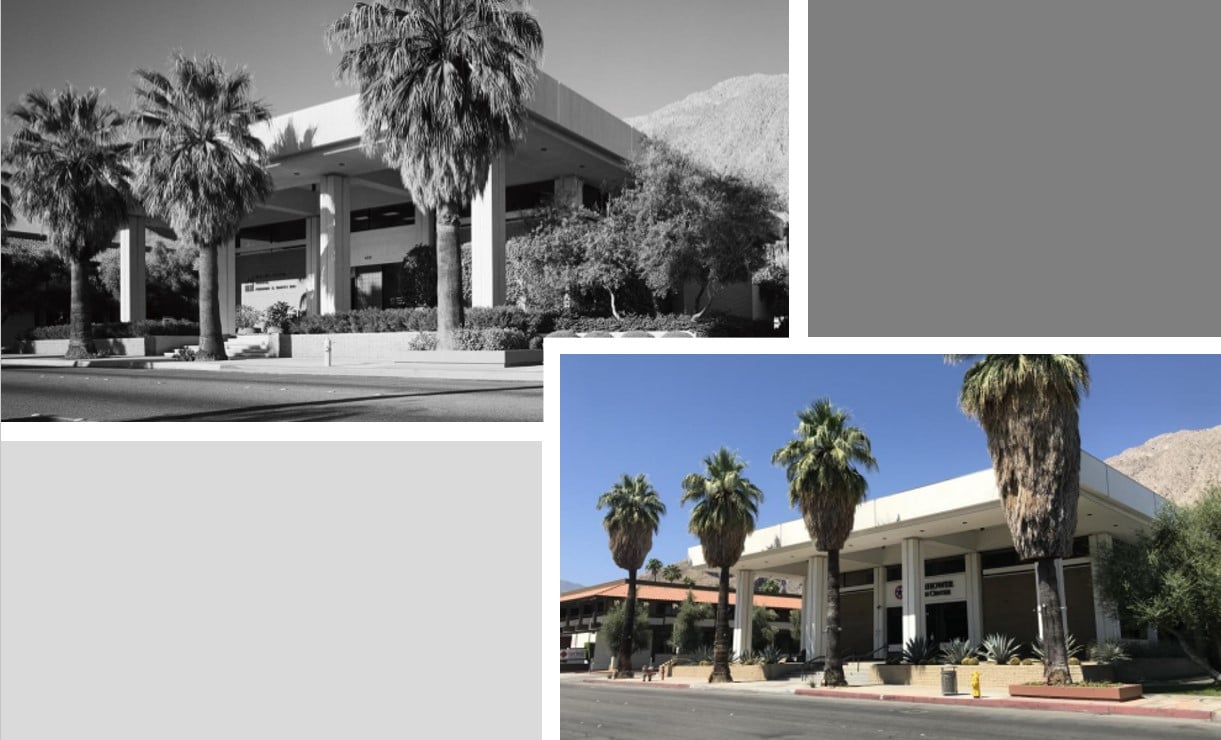
The Palm Springs Historic Site Preservation Board voted unanimously Tuesday to recommend the 1971 Merrill Lynch Building for Class 1 historic site designation, recognizing its significance as an example of New Formalism architecture and its role in the city’s post-war financial district.
The board’s decision came after a thorough review of the building’s architectural features, historical context, and landscape elements during its Sept. 3 meeting. The nomination was submitted by property owners Scott P. Timberlake and Anne Krizman, represented by the Palm Springs Preservation Foundation.
Local reporting and journalism you can count on.
Subscribe to The Palm Springs Post
Located at 415 S. Palm Canyon Drive, the former Merrill Lynch Building was designed by renowned architect Don Wexler. Board member Janet Hansen emphasized the building’s importance beyond its architectural merits, stating, “I would really like to see… a sentence added from the report that talks about this building’s contribution to the financial district.”
The building’s distinctive features include a portico supported by columns, which Steven Keylon, who prepared the historic resources report, noted were designed to align with pre-existing palm trees along Palm Canyon Drive. “There’s a deliberate rhythm to those palm trees as they progress down Palm Canyon,” Keylon explained.
Board members discussed the inclusion of landscape elements as contributing features, a departure from typical designation practices. Hansen advocated for adding “the olive trees and the mature California fan palms on the property into the list of character-defining features.”
Keylon supported this approach, stating, “The olive trees create this really nice sort of compression and expansion as you come off Palm Canyon Drive. And what better tree to represent ancient Greece than old olive trees?”
The building’s integrity was a key factor in the board’s decision. Despite its adaptive reuse as a medical center, the structure retains much of its original design.
“It’s just a wonderful building that’s almost completely extant on the exterior and serves a great purpose now too,” Keylon commented.
The board’s recommendation will now go to the City Council for final approval. If designated, the Merrill Lynch Building will join three other financial institutions in the area as Class 1 historic sites.
Chair Jade Nelson noted the building’s popularity among architecture enthusiasts, saying, “It truly is that temple, which is the only bank we have, other than the Chase Bank, that has that temple-like quality.”
Author

Related Articles
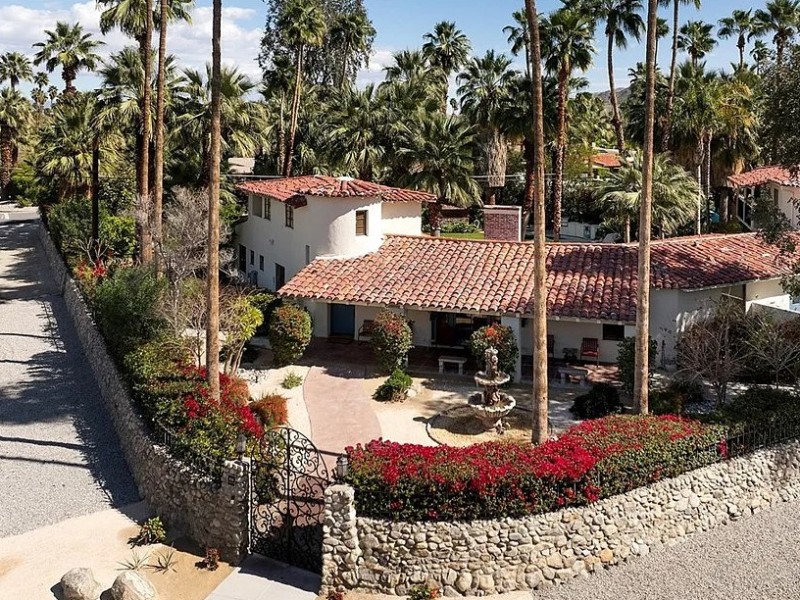
City board debates how far a 1930s Palm Springs home can change for modern family
Members of the city’s Historic Site Preservation Board differed over whether additions to the historic Hal Forrest Residence enhance its preservation or simply adapt it to a family’s needs.
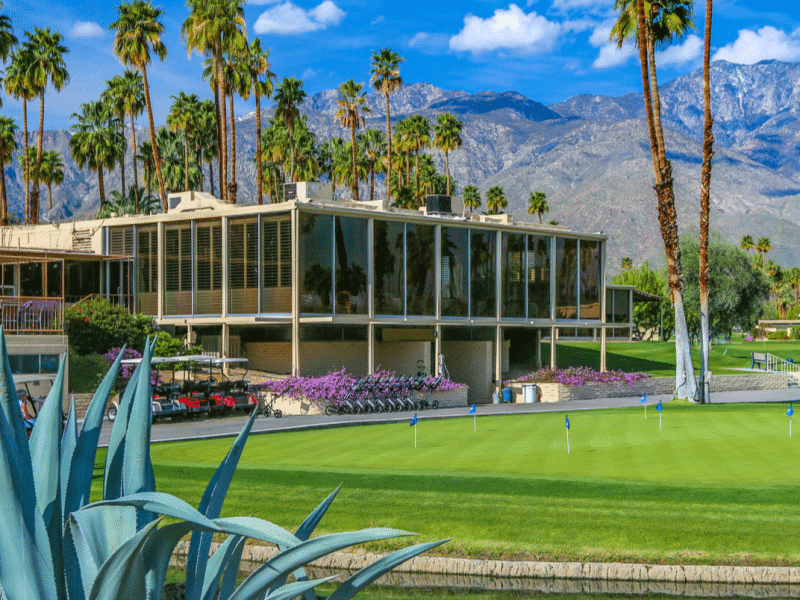
Seven Lakes Golf & Country Club takes step toward becoming Palm Springs’ largest historic district
The city’s Historic Site Preservation Board approved the designation for the 120-acre complex, which counts Dwight D. Eisenhower among its notable golfers.

Palm Springs officials ask to revisit Flock camera policy amid public pushback
After years of expanding the city’s surveillance network, the Palm Springs City Council is asking police for a public update on how the technology is being used and what safeguards are in place.