
Palm Springs City Council upholds approval of 82-unit affordable housing project
Homeowners who submitted an appeal expressed concerns that residents of the apartments would be able to look down into their backyards from third-story windows.
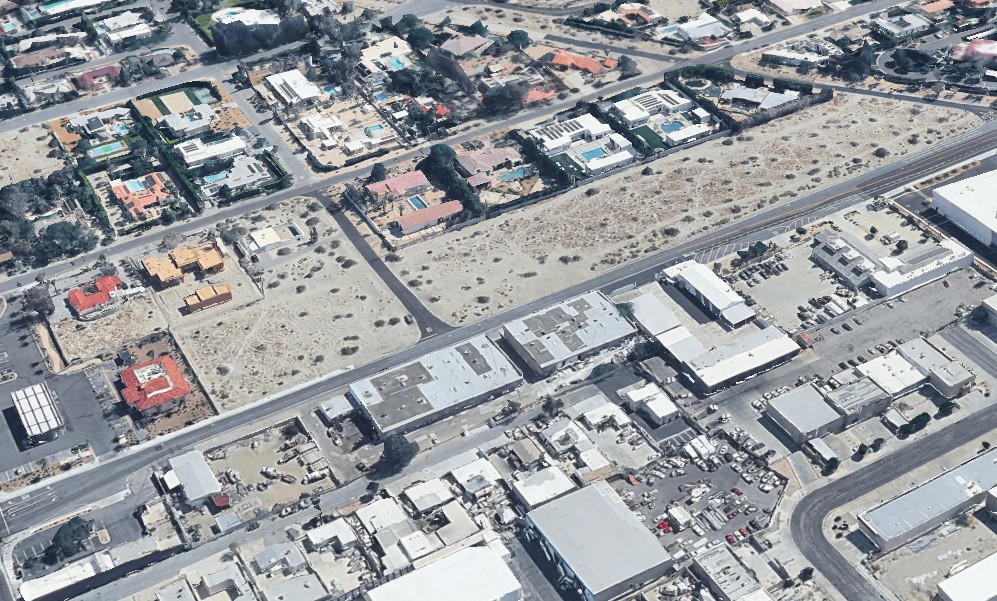
The Palm Springs City Council on Wednesday upheld a Planning Commission approval of an 82-unit, 100% affordable housing development on West San Rafael Drive, denying an appeal from nearby homeowners who said the project would impact their privacy.
The Planning Commission approved a major development permit for the project at 305 West San Rafael Drive in November. The project consists of three apartment buildings, each two- to three-stories, with a mix of one-, two- and three-bedroom units for very low- and low-income families. The income requirements for the property would be between $34,000 to $78,000 for a family of four under the current guidelines set for Riverside County, according to Glen Mlaker, associate planner for the city.
Local reporting and journalism you can count on.
Subscribe to The Palm Springs Post
Because the project will be 100% affordable, it is eligible for the state’s Density Bonus Law, which allows a certain number of allowances from the city’s requirements. For this project, the developer requested a taller height than the underlying zoning would have typically allowed (31.3 feet instead of 24), a slightly higher density (19.2 dwelling units per acre instead of 15), and 21 fewer parking spaces than would have typically been required.
The owners of two homes on Santa Catalina Road appealed the Planning Commission’s decision, sending the project to the City Council. The two homes — one of which was named one of the 2023 Vacation Homes of the Year by VRBO — back up to the site’s southern boundary. The homeowners who submitted the appeal expressed concerns that residents would be able to look down into their backyards from third-story windows.
A letter submitted by the appellants called the project a “permanent and unmitigated private nuisance,” with the height of the project a “highly offensive invasion of Appellants’ property rights, specifically interfering with the free use and comfortable enjoyment of their homes and private yards.”
The project applicant, Red Tail LLC, provided city staff with a sightline analysis that showed the combination of the space between the homes’ backyards and the apartment buildings, combined with the high placement of the windows, meant that the “sightline is basically up into the sky,” not directly down into the backyards.
“It seems very clear from what’s presented to us, that the applicant is doing everything that they can to make sure that there’s privacy for the neighbors,” said Councilmember Grace Garner.
“I think changing the windows is going to negatively impact the residents who are living in that building. I also think from the sightline that you can see, I think it’s going to be extremely difficult for someone to look into a yard at that distance, especially when we’re talking about hedging that already exists and additional hedging that will be there.”
The City Council directed the developer to work on potentially adding tall hedges to the south side of the project for additional privacy, which will be discussed when the project goes through the Architectural Review Committee.
Later in the meeting, the council also approved a $3.8 million city loan to help close a financing gap for the project. The funding will allow the developer to pursue additional state and federal affordable housing resources, including tax-exempt bonds and low-income housing tax credits. If financing is secured, construction could begin as early as late 2026, with completion projected in 2028.
The council also approved a separate $2.25 million loan for another affordable housing development planned nearby. That proposed 115-unit project is still in the planning stages and was the subject of a community meeting Monday with residents of the Desert Highland Gateway Estates neighborhood and a nearby condominium complex.
At that meeting, residents raised concerns about whether affordable housing and supportive services are becoming overly concentrated in one area of the city. Addressing those concerns Wednesday, Planning Director Chris Hadwin said state law significantly limits the city’s ability to deny affordable housing projects based on claims of “overconcentration.”
Author

Related Articles
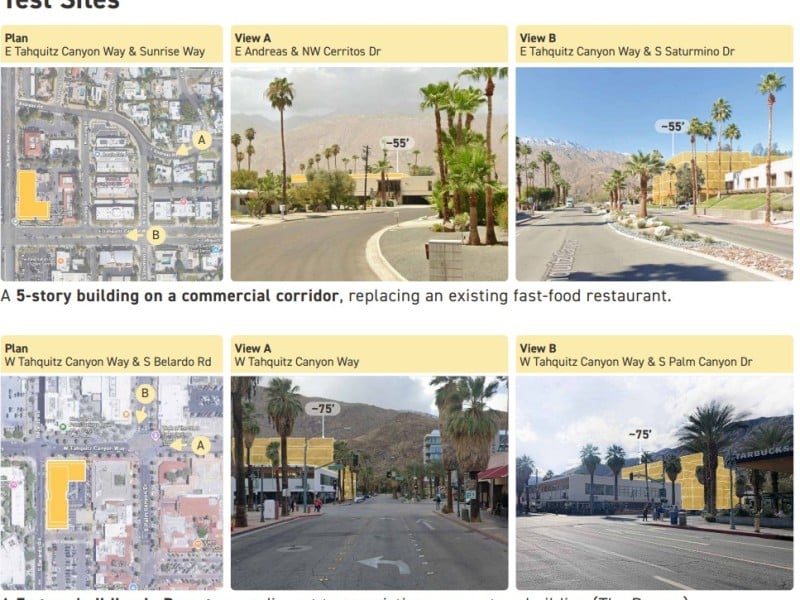
‘A starting point’: Planners stress zoning maps aren’t finalized at virtual meeting
Following a heated in-person meeting last week, city staff emphasized Wednesday that controversial proposals for building heights and density remain in the draft stage.
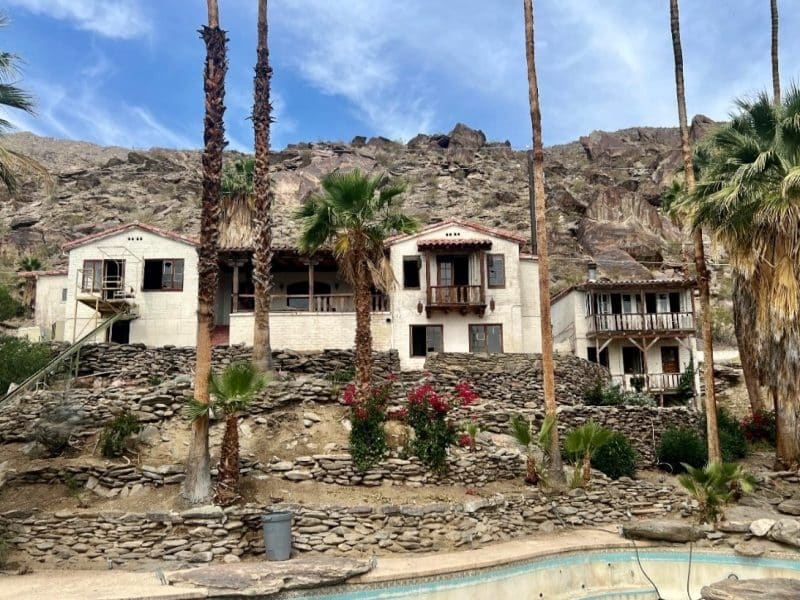
Historic board recommends landmark status for director Edmund Goulding’s ‘Little White House’ estate
The home, built eight years before the city of Palm Springs was incorporated, represents the Spanish Colonial Revival architecture that dominated in the interwar period.

Garner seeks re-election with focus on affordable housing, infrastructure, youth programs
Palm Springs native Grace Garner, the City Council’s most senior member, launched her campaign Sunday at Demuth Park and has already secured multiple endorsements.