
Palm Springs Arts Commission approves new process for categorizing city art
The new subcollection will be called the Commemorative Collection, and the commission has spent the past several months discussing the best criteria to distinguish a commemorative work from other pieces of public art.
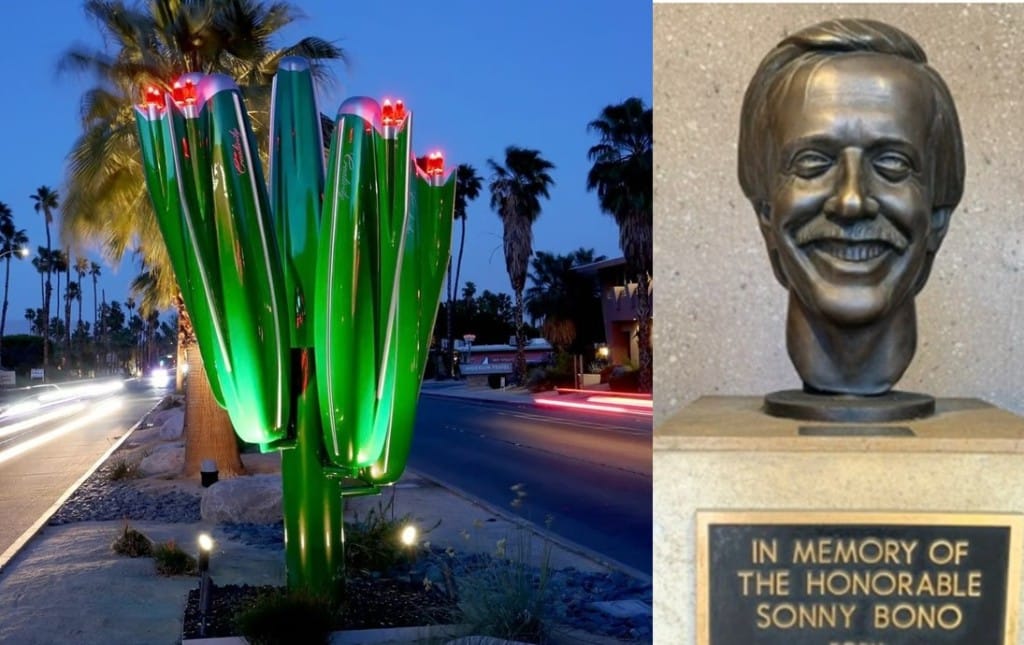
The Palm Springs Arts Commission on Thursday moved closer to establishing a framework for how to recategorize the city’s current and future art pieces into two groups.
Last July, the commission voted to split its art collection into two categories: one for artist-led, curated works selected through the city’s existing process, and a new cultural collection for commemorative works that are often donated.
Local reporting and journalism you can count on.
Subscribe to The Palm Springs Post
The new subcollection will be called the Commemorative Collection, and the commission has spent the past several months discussing the best criteria to distinguish a commemorative work from other pieces of public art.
On Thursday, the commission voted to send the resulting draft amendment to the city’s Public Art Ordinance forward to the city attorney for a final review.
“The purpose of the subcollection is to strengthen the management, preservation, and curation of commemorative works owned or overseen by the City by recognizing their distinct purposes and stewardship needs,” states the amendment.
The draft amendment outlines three pathways for a work to be added to the Commemorative Collection: by being gifted to the city, by request of the Palm Springs City council, or by being recategorized from the city’s broader public art collection.
The eligibility for gifted or donated pieces include demonstrated local or regional significance, a proposed site that is “contextually appropriate to the commemorative nature of the work,” and a long-term maintenance plan. The piece also shouldn’t be duplicative with an existing commemorative piece in the city, and if it is, the nominating party must provide “a detailed explanation” of why an additional piece should be added to the collection.
The approval process will require nominating parties to provide proof of adequate funding for the work’s creation, installation, signage and ongoing maintenance, and to demonstrate meaningful public engagement surrounding the proposed work. Proposed pieces would then go before the Palm Springs Arts Commission at a meeting, where members of the public could make comments and the commission would decide whether or not to recommend the piece to the City Council for approval.
“No work shall be accepted without City Council approval and a verified sustainable funding and conservation plan,” states the draft amendment.
The amendment also notes that the commission can recommend to the City Council that pieces currently in the broader public arts category be recategorized into the subcollection “at any time.” That process is likely to start soon, as next steps for the commission involve creating a task force of experts to help guide the commission’s decision-making on the existing collection.
Author

Related Articles
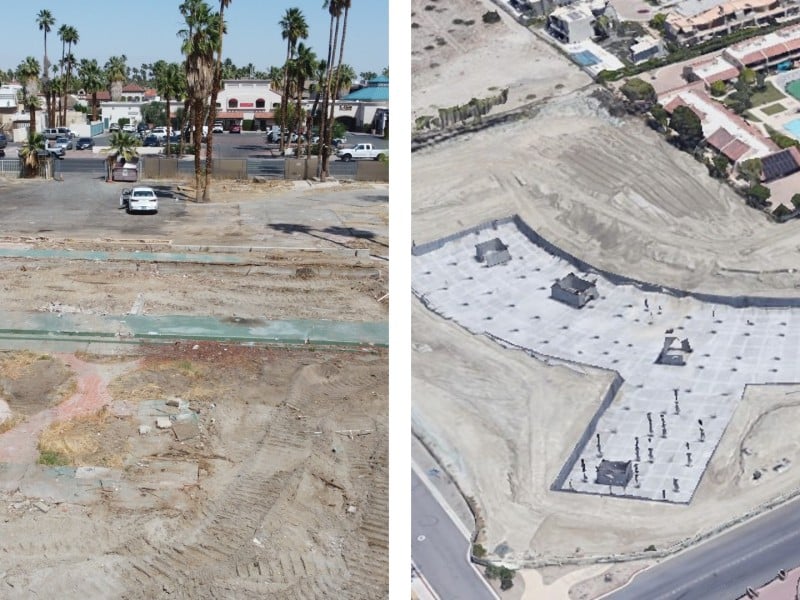
Council to review updates on Dream Hotel, Orchid Tree Hotel projects
City leaders will review a revised development agreement for the Dream Hotel and a milestone update for the Orchid Tree Hotel proposal when they meet next week.

Palm Springs waste audits reveal recycling gains citywide, but one neighborhood tops 50% contamination
Commercial properties showed the largest numerical improvement, with passing audits rising from 154 in 2024 to 229 in 2025, an increase of 75.
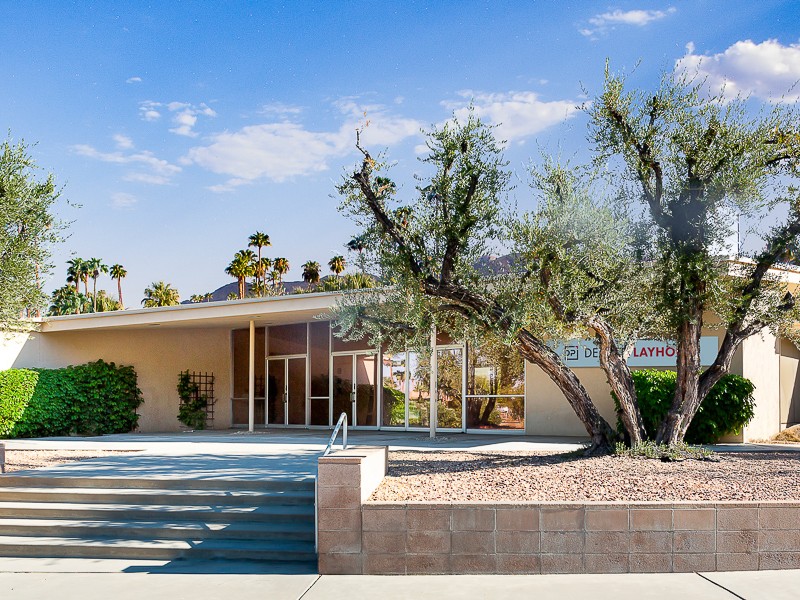
Palm Springs board approves historic designation for Albert Frey-designed church turned theater
Dezart Performs purchased the modernist First Church of Christ Scientist in December 2024 to use as its new playhouse; the City Council must grant final approval.