
Palliative Care Expert Urges Society to Demystify Death and Reclaim the Dying Process
In a thought-provoking TED Talk, Kathryn Mannix advocates for open conversations and knowledge-sharing to alleviate the fear of mortality and ensure compassionate end-of-life care
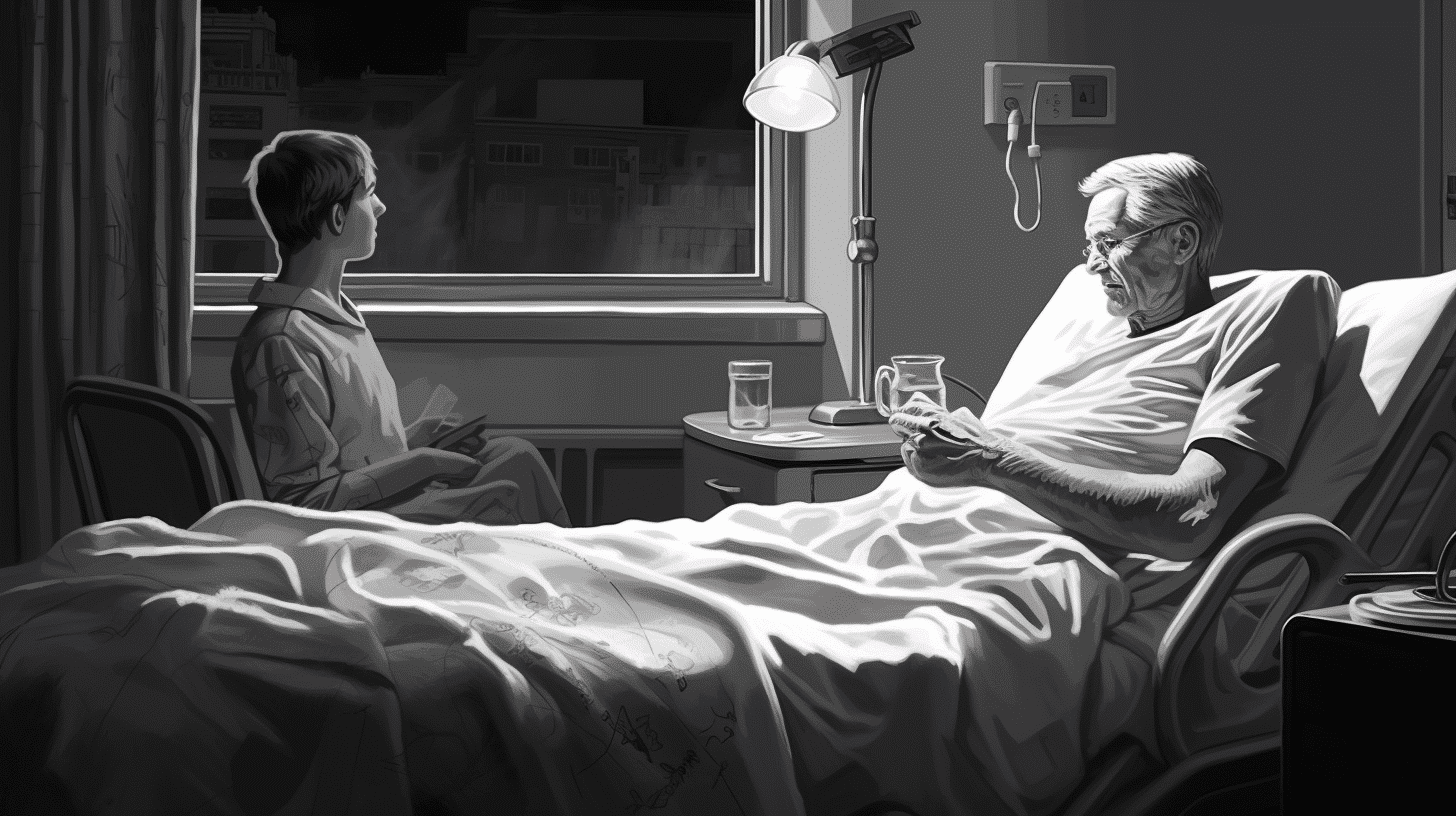
In a thought-provoking TED Talk delivered in November 2022, palliative care expert Kathryn Mannix made a compelling case for demystifying death. Mannix, with decades of experience in end-of-life care, shared insights into the dying process, aiming to alleviate the fear and anxiety that often accompany thoughts of mortality.
“Human beings are the only animals capable of contemplating their own mortality, and they’ve been doing that for thousands of years. And yet somehow in the very recent past, we have lost the practical wisdom of what happens as people die,” Mannix said, underscoring the paradox of modern society’s estrangement from death despite its inevitability.
Local reporting and journalism you can count on.
Subscribe to The Palm Springs Post
Mannix began by highlighting a generational shift in the understanding of death. She compared her own knowledge as a medical professional with that of her grandmother, who, due to societal norms and the limitations of medical interventions in the early 20th century, was well-versed in end-of-life care.
Pointing out the stark contrast between past and present familiarity with life’s final chapter, Mannix said, “Once a person was so sick that their death was imminent. And yet when I reached my mid-twenties in the 1980s, I had none of her wisdom and understanding and knowledge of dying.”
She emphasized that while medical progress has saved countless lives, it has also led to a loss of ownership and understanding of the dying process among the general public.
“By taking dying people out of home and putting them in hospital, we changed our understanding of the process. We lost our ownership of the process and we gave it to healthcare and we forgot what dying looked like,” Mannix explained, highlighting the unintended consequences of medical advancements.
Mannix shared a personal turning point in her career when she transitioned from aspiring cancer medicine specialist to palliative care, where she learned the importance of managing symptoms and providing comfort during the end of life.
“That conversation changed my life, it changed my career, and it’s brought me here, sitting on her bed with me on a little footstool, so I can see him and her and the nurse sitting on the chair,” she recounted.
She recalled an encounter with a hospice patient, a former member of the French Resistance, who feared dying in agony. Her senior colleague explained the typical dying process to the patient, which included becoming more tired, sleeping more, and eventually becoming unconscious, with changes in breathing patterns.
“We can describe ordinary dying to a dying person. And it shines the light of understanding and information into that dark place where all their fears and imagination were at play,” Mannix said, emphasizing the power of knowledge in dispelling fear.
“It turns out that human beings don’t recognize when we become unconscious,” said Mannix. “And so at the very end of somebody’s life, they’re not just asleep, they’re actually deeply unconscious.”
Mannix advocated for open conversations about death, suggesting that such discussions can be comforting not only for patients but also for their families.
“Death is not a medical event,” she concluded. “It’s a social event. It’s a deeply personal event… We can understand it, we can describe it, we can console each other, we can accompany each other, we can reclaim dying.”
Author

Related Articles

Palm Springs to mark America’s 250th birthday with three-day Fourth of July celebration
Family-friendly events — most of them free — will include a movie night, pool party, baseball game, concert and fireworks display across the holiday weekend.

Palm Springs neighborhoods to compete in summer food drive challenge
The Center and ONE-PS are organizing a two-month competition to fight rising food insecurity as donations to the Community Food Bank typically decline during summer months.
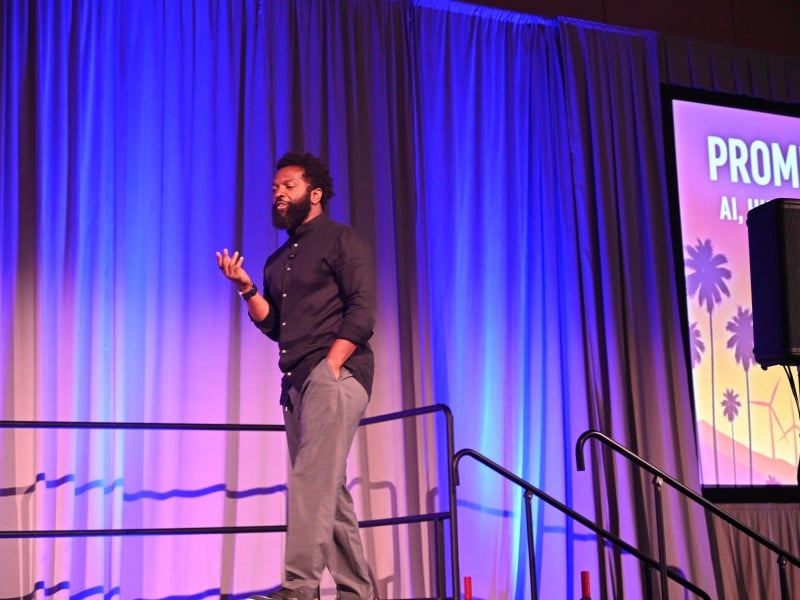
AI, creativity, and workforce innovation will take center stage at Palm Springs summit
Lion King director Rob Minkoff headlines the two-day PS/NExT Summit, joined by Emmy-nominated storyteller Baratunde Thurston and AI artist Kelly Boesch.