
Ground broken on city’s third major new affordable housing project in recent years, aimed at aiding seniors
Aloe Palm Canyon joins the Monarch Apartments and Vista Sunrise II projects under active construction. Combined, the three will provide nearly 200 additional housing units for at-risk residents.
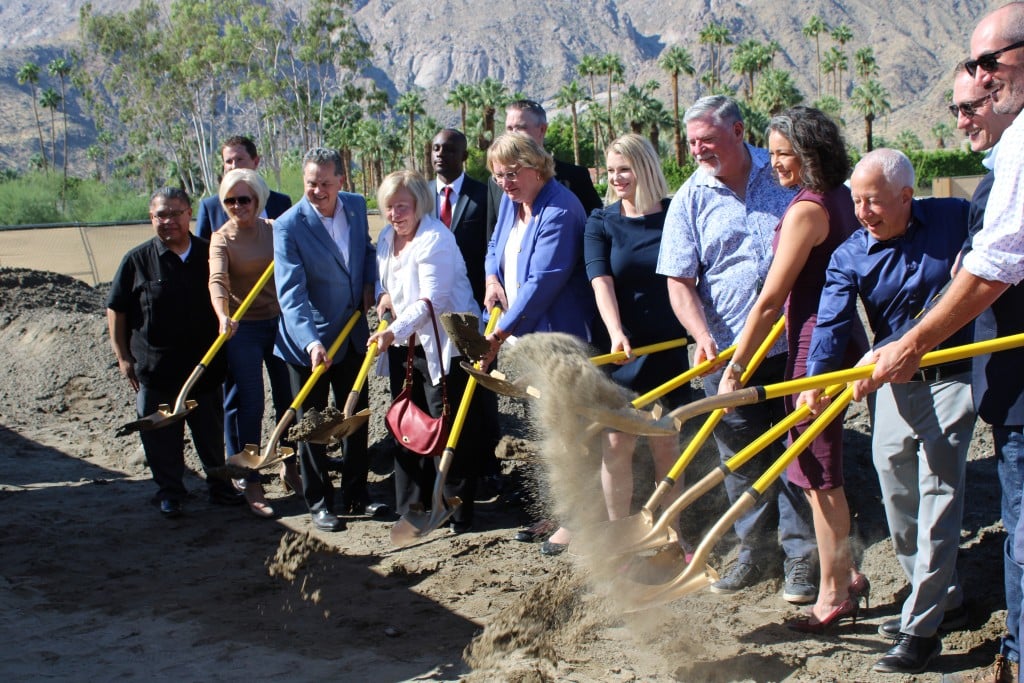
More than three years after Palm Springs officials offered up a plot of city-owned land for development of much-needed low-income housing, ground was officially broken Thursday on a project that will do just that.
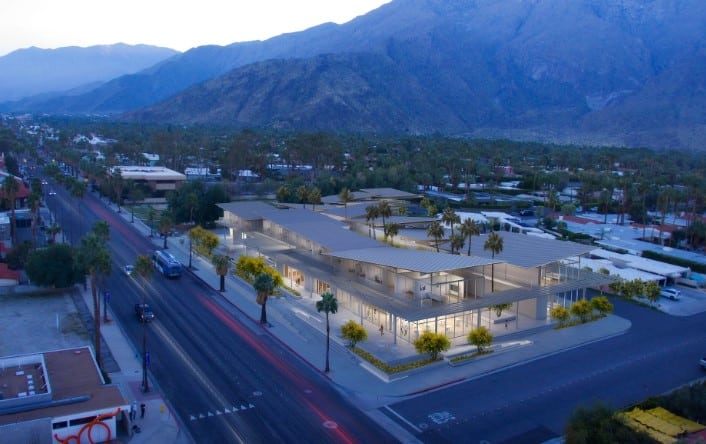
Under blue skies and with near triple digit temperatures beating down on them, members of the Palm Spring City Council, representatives from West Hollywood Community Housing Corporation (WHCHC), and others gathered in the 1400 block of North Palm Canyon Drive at the site of what will some day be a 71-unit, two-story development.
Local reporting and journalism you can count on.
Subscribe to The Palm Springs Post
Plans call for the the project, known as Aloe Palm Canyon, to include 25 units dedicated to seniors who are unhoused or at risk of being unhoused when opened in roughly two years. In collaboration with DAP Health and the Riverside County Health Department, WHCHC will also provide free, voluntary comprehensive supportive services on-site.
While the city is actively involved in many smaller efforts to provide housing for low-income residents, Aloe is now the third major new affordable housing development currently underway in Palm Springs. It joins both the Monarch Apartments at the intersection of North Indian Canyon and San Rafael drives, and the Vista Sunrise II project off Sunrise Way under active construction.
When the three projects are completed, nearly 200 new units of affordable housing will be available in the city, adding to about 4,500 units of affordable housing that are in the planning stages or being constructed throughout the Coachella Valley.
That’s welcome news to both city staff and members of the City Council, both past and present, who tried for more than a decade to attract developers of new affordable housing projects so that residents desperately in need of them could continue to live in the city.
“We have a lot of luxury housing in Palm Springs,” Councilmember Christy Holstege said during Thursday’s ceremony. “We also need housing for working class families and many more. …This is a big milestone for our community.”
In the case of Aloe, formerly known as Agave at Palm Canyon, city leaders took the unique approach of putting the project out for bid in 2020.
By January 2021, WHCHC had submitted the winning bid, earning approval of the Council and the commitment of an initial $2.4 million in funds as well as the land valued at $1.4 million. While a majority of the $44 million needed for the Aloe project is coming from state grants and Riverside County, Palm Springs councilmembers unanimously approved an additional $3 million in construction funding in April to help cover increased costs.
That additional funding brought the city’s expected total contribution to $4 million. The move was similar to that approved in July for the Monarch project, which also saw a funding gap due to rising interest rates and the cost of construction materials.
Author

Related Articles
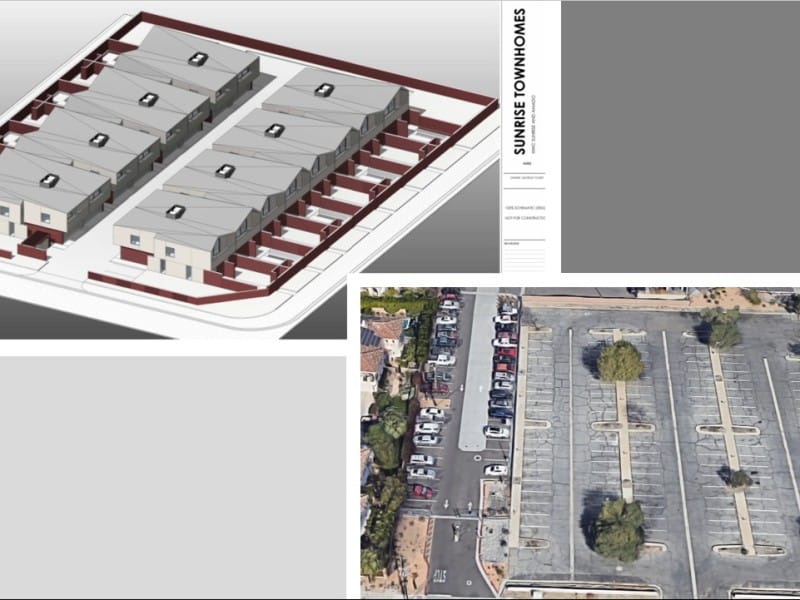
Palm Springs City Council moves condo project forward
The site is currently a parking lot that was previously used by employees of a telephone switching building located just south of the project site.

Planning Commission OKs smaller delivery hub to replace giant warehouse plan
Last-mile delivery facilities receive and sort packages from larger fulfillment centers, then delivery packages directly to customers.

Demuth Park’s long-awaited pickleball expansion opens in Palm Springs, nearly doubling court capacity
An estimated 300 picklers of all ages turned out to celebrate and test out the 22 new courts on Wednesday.