
Film Festival highlights surge in music documentaries, reveals industry insights
A showcase of music biographies at the festival sheds light on the intertwined relationships between music publishers, filmmakers, and subjects in crafting the content and securing song rights.
The plethora of music documentaries in this year’s Palm Springs International Film Festival reinforces the assertion that this is a golden age for music biographies.
The docs playing through this weekend, and possibly Monday if they get named best of fest, include “Billy Preston: That’s the Way God Planned It,” “Paul Anka: His Way,” “Liza: A Truly Terrific Absolutely True Story,” “Janis Ian: Breaking Silence,” and “Diane Warren: Relentless.”
Local reporting and journalism you can count on.
Subscribe to The Palm Springs Post
None of them are on the shortlist for a Best Documentary Academy Award, but they come on the heels of a Dec. 26 Los Angeles Times story proclaiming, “There’s been a renaissance recently in pop music documentaries on subjects ranging from Wham! To Jennifer Lopez.”
But the torrent of content demands further parsing of what kind of documentaries we’re seeing. Are they biographies with journalistic integrity or are they more like autobiographies with the subjects in control of the content? If they’re the latter, shouldn’t they be labeled hagiographies – a term that carries a pejorative connotation for lacking warts-and-all objectivity?
Music industry pundit Bob Lefsetz said in a recent Lefsetz Letter he can’t recommend most books about musical artists because “they’re basically hagiography.” He also dismissed most of the new Bruce Springsteen documentary, “Road Diary,” as “pure hagiography,” citing the New Oxford American Dictionary definition of the word as “the writing of the lives of saints.”
A reason for the promotional tone to this new wave of music documentaries can be found in the credits for many of the films. Many of the music publishers who have been spending hundreds of millions of dollars to buy the catalogs of the greatest songwriters of the rock generation are seeking a return on their investments as producers and executive producers of music documentaries. They’re not just creating exposure for their content, like the song-plugging publishers of the pre-Napster era, they’re positioning themselves to earn money for ensuring the filmmakers they won’t be sued for the unlicensed use of their songs.
Diane Warren owns the publishing on most if not all of her big hits, so getting her to be the subject of a documentary virtually assures getting her permission to showcase her songs. But other singers, musicians and songwriters have more complicated ownership deals with their hits. So the people charged with “clearing” those copyrights have become so integral to the success of music documentaries, they can expect a quid quo pro like producer or executive producer credits.
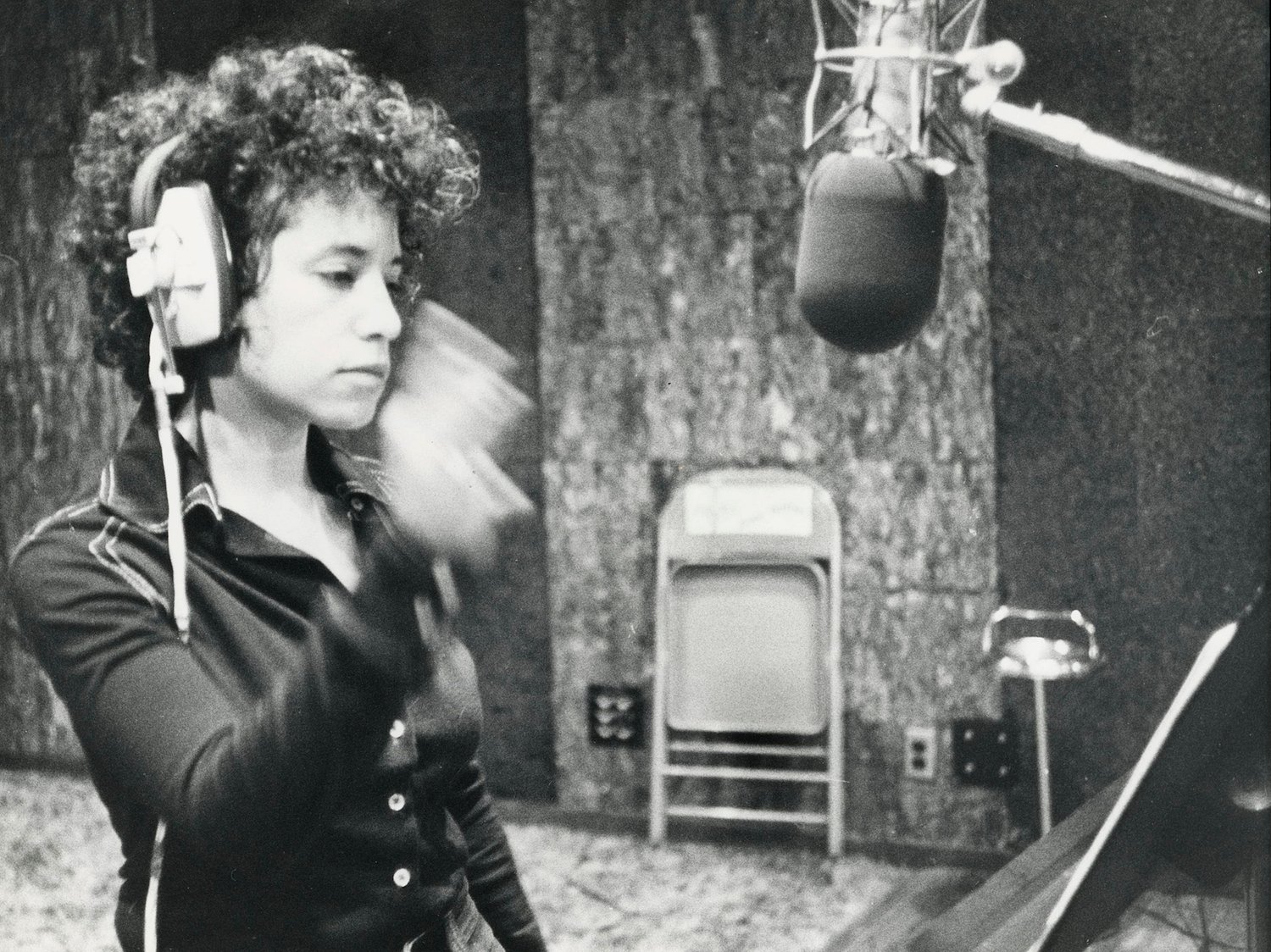
Janis Ian, the “Society’s Child” singer-songwriter showcased in “Janis Ian: Breaking Silence,” signed with the world’s largest music publishing company, Sony Music, to manage her music catalog worldwide last May. But clearing her songs for a documentary about her was still so complex, writer-director-producer Varda Bar-Kar and her production team gave Brooke Wentz a third producer credit for the film. Wentz owns the Seven Seas Music publishing company and The Rights Workshop, a music supervision and licensing company that boasts of clearing the song rights for hundreds of film and TV projects.
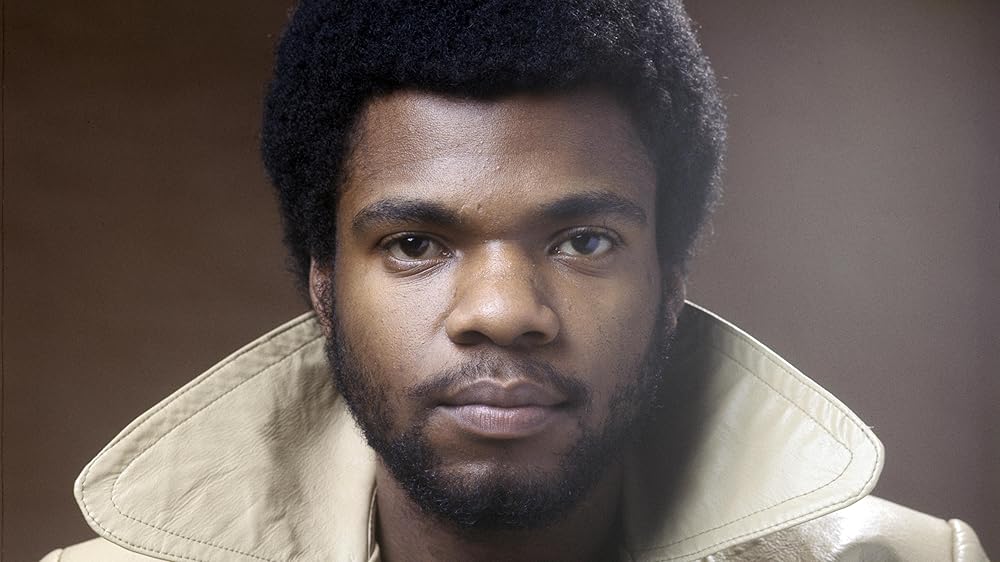
“Billy Preston: That’s the Way God Planned It” has 26 producers and executive producers, according to IMDb.com — not counting the associate producers, associate executive producers and archival producers. They include George Harrison’s widow, Olivia, Apple Corp’s director of production Jonathan Clyde, and Jody Gershon, chairman and CEO of the world’s second largest publisher, Universal Music Publishing Group. But the footage of keyboard master Billy Preston recording songs for “Let It Be” with The Beatles is a highlight of the film.
Paul Anka owns the publishing to much of the music he’s written over the past 68 years, but he’s had to make publishing deals requiring concessions along the way, such as giving Johnny Carson half the publishing and a songwriting credit for “The Tonight Show with Johnny Carson” theme song. So it’s no coincidence that IMDb says his documentary has nine executive producers, including music industry titan Irving Azoff.
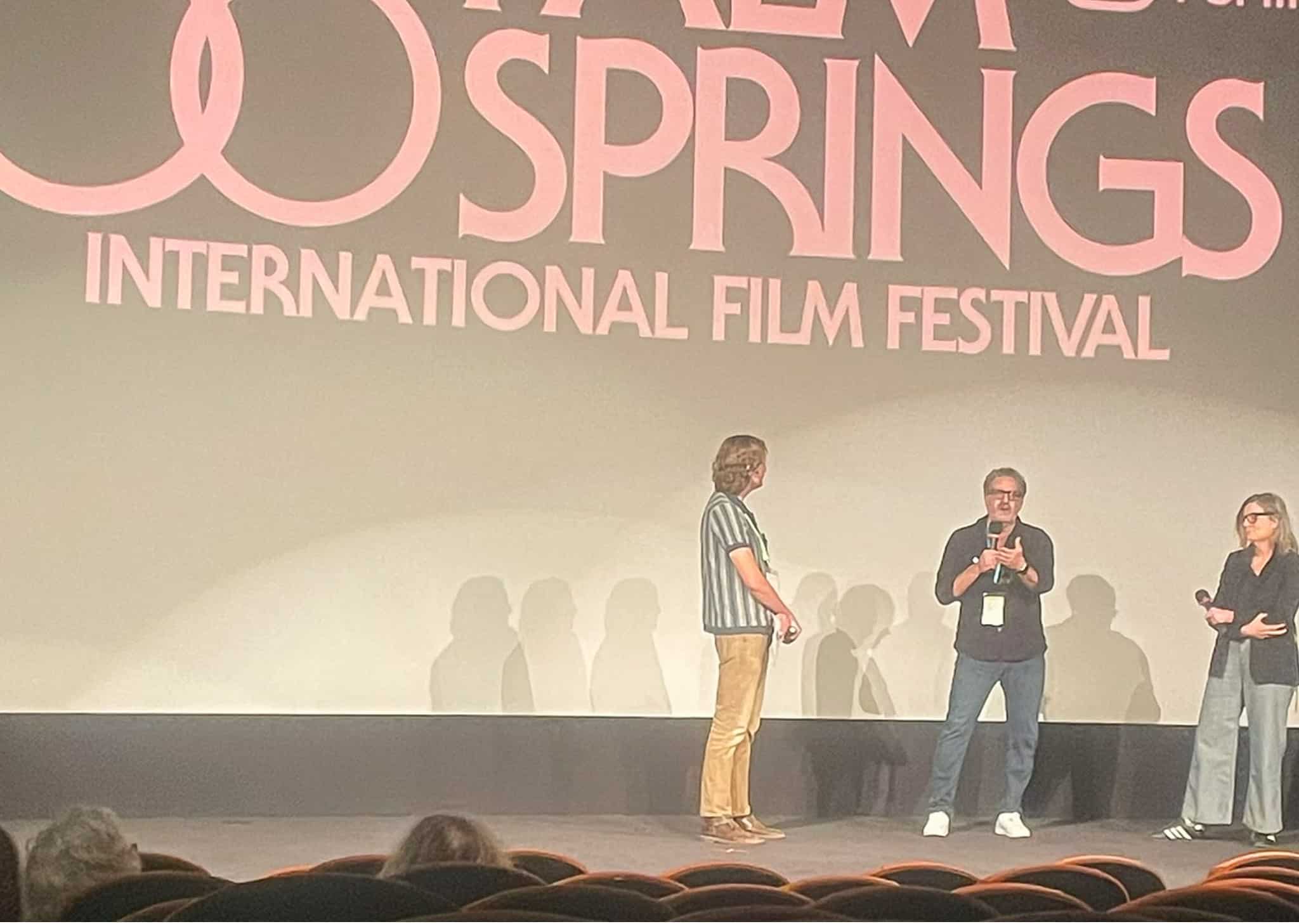
The two producers of that film, Monica Berra and writer-director John Maggio, say Azoff and Lawrence Mestel, another music publisher with an executive producer credit on “Paul Anka: His Way,” were key to getting that documentary made and released for the film festival circuit.
Maggio said Azoff got the project off the ground after he first proposed doing a documentary on Azoff, the manager of mega-bands like the Eagles, owner of the record label, Giant Music, part owner of arenas such as the Acrisure in Palm Desert, and head of companies such as the entertainment rights management firm, Iconic Artists Group, and the performance rights organization, Global Music Rights, which administers publishing for Springsteen, Harrison and John Lennon, among others. Azoff, who has a home at the Madison Club in La Quinta, also is an owner of Ladera, an ultra-exclusive private golf course in Thermal.
Maggio said in response to this reporter’s question at a Q&A for the festival screening of “Paul Anka: His Way” that Azoff told him, “Let’s do this first.” He then proceeded to help clear music licensing rights and open doors to develop the documentary and even appear on camera calling Anka “a force of nature.”
“The licensing on this was so complicated because, you can imagine, in publishing there’s two sides to every song,” Maggio said. “There could be like six owners (to a song) over the years. Paul was very good about buying his catalog back at a young age. He’s a very good businessman. But, even with that, there are so many different rights issues. So it was a puzzle.”
Berra said Mestel’s Primary Wave publishing company also holds rights to some of Anka’s music and, “They were very generous as well.”
“I went to meet Larry (in New York), just before starting to film,” Berra said. “I’ll never forget, John was like, ‘I want ‘My Way,’ I want all these hits,’ and Larry was like, ‘Good luck, kid.’ He asked me, ‘What’s the budget?’ I gave him a number and he said, ‘Double it.’ But Larry was really crucial, also all of his team at Primary Wave, in getting clearance through. You can imagine having to deal with the Michael Jackson estate. Having Irving or Larry send an e-mail or make a phone call was hugely beneficial. We couldn’t have done it without them.”
Maggio and Berra are now working to get their film seen beyond the film festival circuit. It premiered in September at the Toronto International Film Festival and had its West Coast premiere at Palm Springs. They’re hoping to get a streaming deal, for which they expect Azoff’s contacts to be beneficial again.
It’s much easier to get the rights to copyrighted music for a movie on the film festival circuit (which doesn’t generate much revenue for a producer) than it is when the film has been sold to a distributor or streaming company. Publishers often offer festival exceptions to their copyrights to give producers a chance to get wider exposure for a film and make more money for all involved.
But many publishers charge so much money for song rights, they can prevent the release of a film, sometimes even from showcasing it at film festivals.
“It’s not automatic that the copyright holders are granting these festival exceptions,” said Teddy Grouya, producer of the American Documentary Film Festival that screens in Palm Springs the last week of March. “Many festivals and filmmakers are taking a chance that it won’t be an issue. I advised some first-timers on how to get rights with Dolly Parton, and it worked.”
Even with the new complexities involved in clearing songs, and celebrity name and image rights resulting from recent legislation and litigation, Grouya said he has received more submissions of documentaries for this year’s AmDocs Festival than ever before.
Related Articles

5th annual Pride on the Page festival returning to Palm Springs, free to all
The Palm Springs Public Library Foundation says the daylong celebration of LGBTQ+ authors will mark its anniversary with a free evening reception for the first time.

Public Arts Commission advances East Palm Canyon Bridge design, eyes buildings for citywide mural program
Commissioners also weighed where to relocate a sculpture removed from the airport, with the convention center and City Council Chambers among the options discussed.

Palm Springs ShortFest names 2026 award winners
“Fruit” took the festival’s top prize as jurors handed out $30,000 in cash awards across dozens of categories at the Hilton Palm Springs.