
Committee approves design, with minor changes, for massive warehouse within city limits
During deliberation Tuesday evening, the 730,000-square-foot building sparked concerns over its potential impact on tourism and job sustainability amid automation advancements.
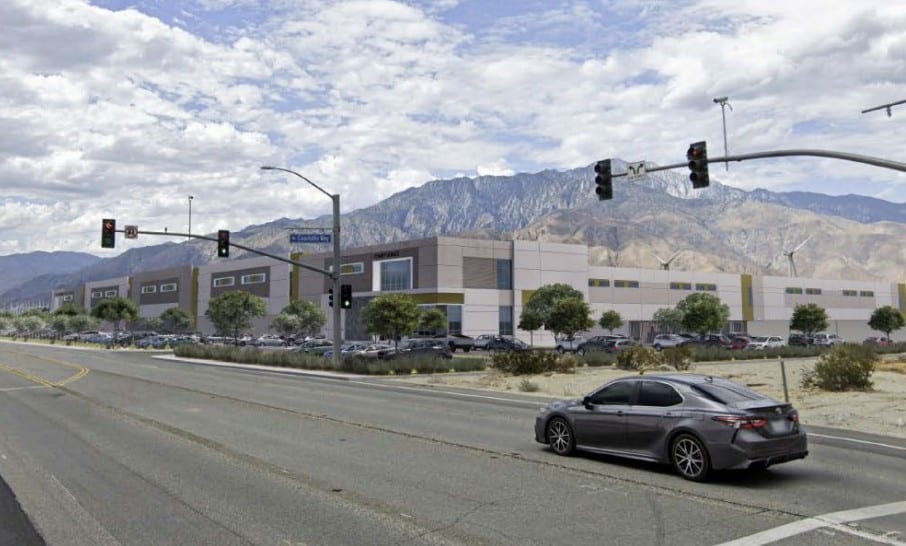
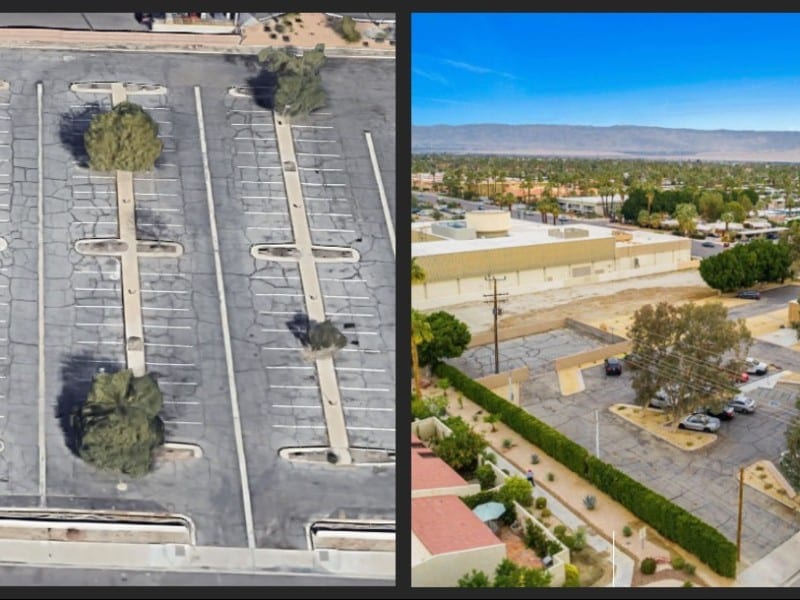
A massive, 730,000-square-foot warehouse planned for property in the city limits passed the muster of the Palm Springs Architectural Review Committee (ARC) Tuesday evening, a final step after winning the earlier approval of the Palm Springs City Council and Planning Commission.
ARC members voted 4-0 to approve the proposed development, pending superficial changes to the landscaping and paint.
Local reporting and journalism you can count on.
Subscribe to The Palm Springs Post
Once complete, the warehouse will be located on 38 acres of land at the northwest corner of North Indian Canyon Drive and 19th Avenue, one street away from another large warehouse planned within city limits.
The building will be 50 feet tall and two stories and have 736 parking spaces, including employee parking and truck and trailer parking.
In January 2022, the City Council approved a landmark change to the city’s zoning code, allowing for fulfillment centers and warehouses to be built in the city. Just months later, two warehouse projects appeared on city commission agendas. The first of which is the warehouse reviewed by ARC members Tuesday evening.
A second warehouse, totaling about 1.5 million square feet, will also need review by city staff and elected and appointed leaders. That project is planned for land north of Interstate 10 at Indian Canyon and 18th Avenue.
The Inland Empire to the west of Palm Springs is the country’s capital of warehouse and fulfillment centers, with more than 4,000 such buildings dotting the landscape beside freeways and interstates. It also consistently ranks as one of the most polluted regions in the country.
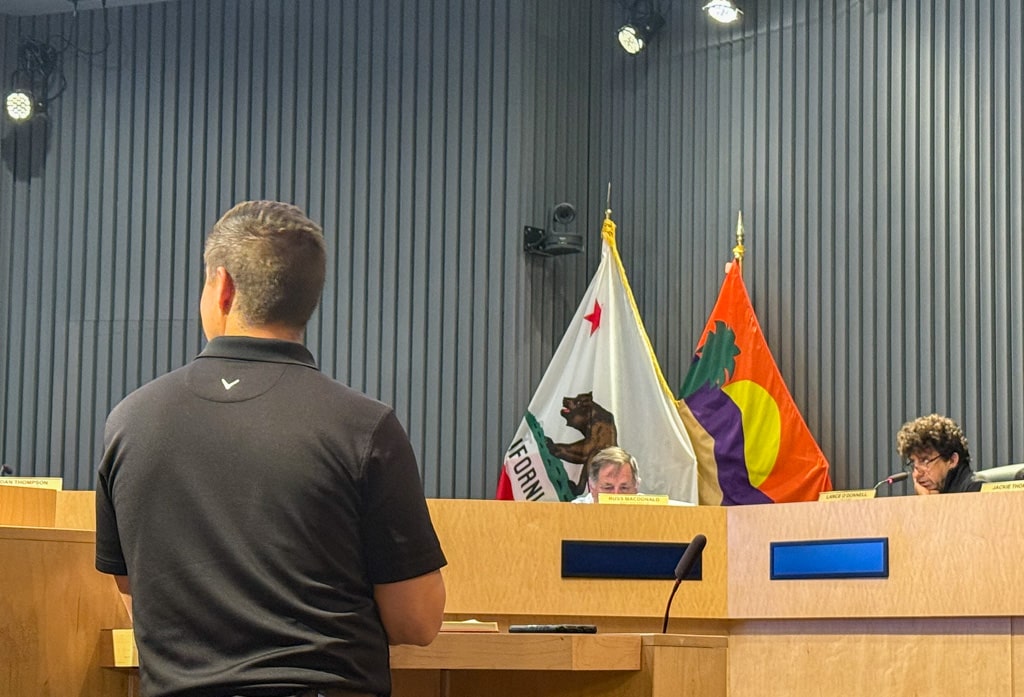
Frank Tysen, president of the citizens group Advocates for Better Community Development (ABCD), expressed his concern at the meeting: “We might be moving away from being a tourist community. People don’t want to drive by miles and miles of warehouses.”
Also at issue were the 700 to 1,000 jobs that the project promises. Committee Chair Lance O’Donnell noted that they may not be long-term positions.
“This feels like the kind of occupation that goes away with automation,” O’Donnell said. “The trucks will come without people. Everything happens without people, and we are going to be saddled with the building that has all of this parking.”
Even before automation advances, warehouse jobs at some fulfillment centers, like Amazon, have high turnover and worker injury rates compared to similar warehouse jobs.
Author

Related Articles
Palm Springs council to consider temporary ban on data centers amid regional push
A proposal being reviewed later this month would pause approvals for 45 days while the city studies new regulations, as Indio and Coachella move toward permanent bans on the facilities.
Two long-stalled Palm Springs hotel projects are moving forward on schedule
The Post has rounded up the latest on three key developments currently underway in the city: Chick-fil-A, the Dream Hotel, and the Orchid Tree Hotel.
Two North Sunrise Way housing plans hit different fates before Palm Springs planners
One developer was sent back to fix backyard access before building 16 condos, while another won two more years to find a buyer for a stalled apartment site troubled by trespassers.