
City’s homeless navigation center shows progress one year after some of its doors first opened
City officials who spoke Thursday evening reported full occupancy for some portions of the facility while police cited a decrease in visible homelessness.

One year after the opening of its first phase, Palm Springs city staff gave an update Thursday night on the impact the Palm Springs homeless navigation center is having on the community.
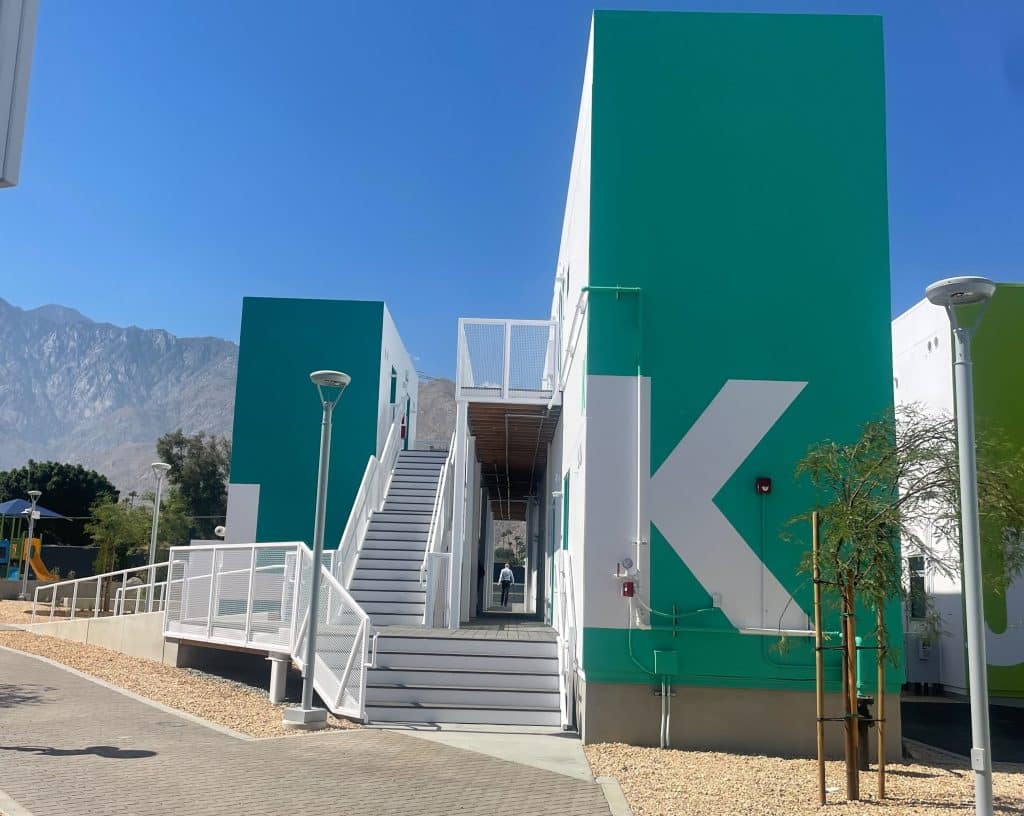
The facility, located off McCarthy Road, combines short-term and transitional housing options with access to services. It works in conjunction with another city facility, a daytime Access Center off El Cielo Road that offers daily showers, meals, case management, and other wraparound services.
Local reporting and journalism you can count on.
Subscribe to The Palm Springs Post
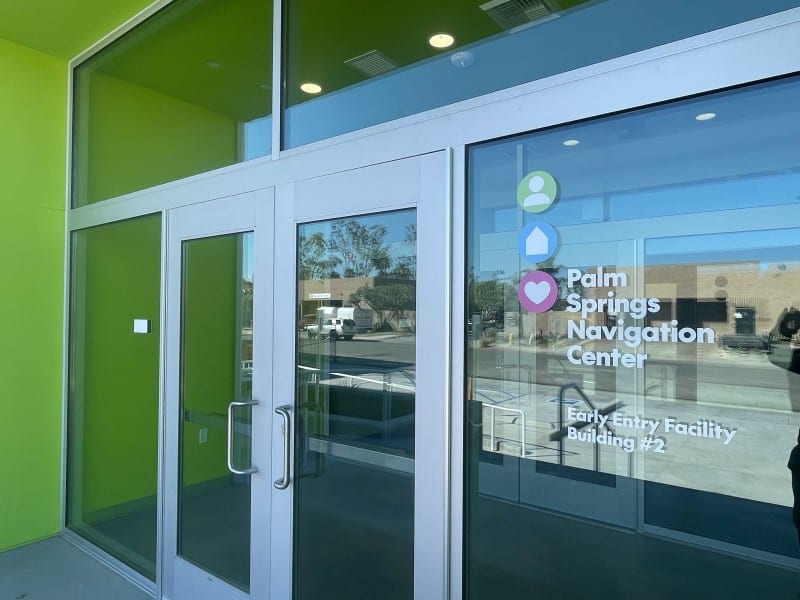
The McCarthy Road campus houses the Early Entry Facility — an overnight shelter where the unhoused can sign up if needed — as well as a transitional housing program consisting of 80 modular units.
The Early Entry Facility was opened in March of last year, and the final phase of transitional housing units opened in October. City Manager Scott Stiles reported Thursday during a regular meeting of the City Council that the 50 beds in the Early Entry Facility are full almost every night, and the transitional housing on the modular units is approaching full capacity.
Martha’s Martha’s Village and Kitchen, which operates the facilities, shared some of its service statistics, saying that the Access Center has served 604 unduplicated individuals. The Early Entry Facility has served 440 unduplicated individuals with direct intakes and completed 41 successful exits, including family reunification or transition to the Navigation Center.
The Navigation Center has housed 87 people and so far has had two successful exits where participants are able to find permanent housing, with another two scheduled this month.
Palm Springs Police Department Lt. Mike Villegas told the council that while officers have contacted over 600 homeless individuals in Palm Springs, only about 100 are considered chronically homeless and remain consistently in the area.
“We have reunited over 41 individuals with their families and assisted 112 plus with permanent housing outside the navigation center, either returning them home with their families or friends,” Villegas told council members during a presentation on the city’s homeless services.
The department’s Impact Officer Team has played a crucial role in this effort, conducting over 1,000 arrests while enforcing the city’s camping ordinance. Villegas said these enforcement actions, combined with supportive services, have contributed to a noticeable decline in visible homelessness.
“[The Impact Officer Team] have helped out tremendously with maintaining stability on the unhoused individuals,” Villegas said. “As you can see, we don’t have any large encampments anymore.”
Housing & Community Development Director Jay Virata added that thanks to an encampment resolution grant, the city has been able to target 50 people living in one of the city’s washes and house 30 at the Navigation Center. He expects some will end up in permanent supportive housing at the Aloe Palm Canyon affordable housing project, set to open on June 26.
A relatively new addition to the city’s approach is the Community Behavioral Assistance Team (CBAT), which pairs Officer Josh Crocker with licensed marriage and family therapist Rita Romero. Operating Tuesday through Friday, the team has responded to over 200 calls for service in its first month.
Together, the team said it has already connected more than 125 community members to services, including mental health support, substance abuse treatment, and assistance through the Office on Aging.
The CBAT team has identified more than 600 households that need follow-up for mental health concerns, highlighting the significant need for expanded behavioral health services in the community.
During public comment, two people who identified themselves as clients of the navigation center raised concerns about the facility’s operations.
“They don’t offer the proper nutrition that we need,” John Corliss told the council. “Four days a week, we get a two-ounce container of cereal with milk. You get apple juice — two ounces — and a two-ounce thing of apple sauce, and that’s all sugar.”
Corliss, who works Eight to 10-hour shifts unloading airplanes at the airport, said the inadequate nutrition contributed to health problems.
“I have to spend my own money just to make sure I get the proper nourishment,” he said. “I’m not getting the proper adequate sleep, and because of that, I got sick with a sinus infection, and I had to miss four days of work.”
Another speaker, Dino, said he felt like his privacy was being violated by staff every time he went to the bathroom. Both men indicated that other clients wanted to speak at the meeting but feared retaliation.
At the end of the meeting, Councilmember Grace Garner said she wanted to examine operations more closely to ensure quality services are provided. She emphasized the need for clear communication and explanations between operators and clients.
“If there are things that are not going to change, we need to be able to explain clearly to folks why that procedure is in place,” Garner said. “We should ensure that if there are rules, that the rules are consistent.
“I don’t want folks to not be taken seriously because of their housing status.”
Author

Related Articles
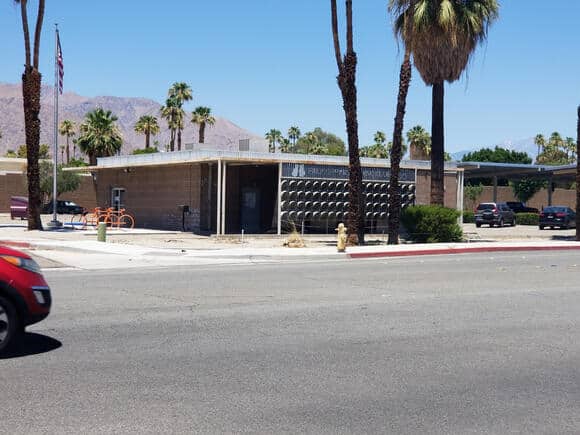
City Council moves to extend Access Center hours to help unhoused residents better deal with extreme conditions
Councilmembers also asked staff to explore limited overnight shelter during extreme weather events, at an estimated annual cost of $171,700.
Palm Springs continues to seek sustainable funding for Navigation Center’s $5 million annual budget
No specific grant sources, funding commitments or timelines have been announced, but elected officials said last week they remain committed to securing long-term funding.

Police and residents share concerns about Navigation Center’s first year, note signs of progress
City officials say the facility has helped people find housing and jobs, but police and neighbors worry Palm Springs is becoming a magnet for the region’s unhoused.